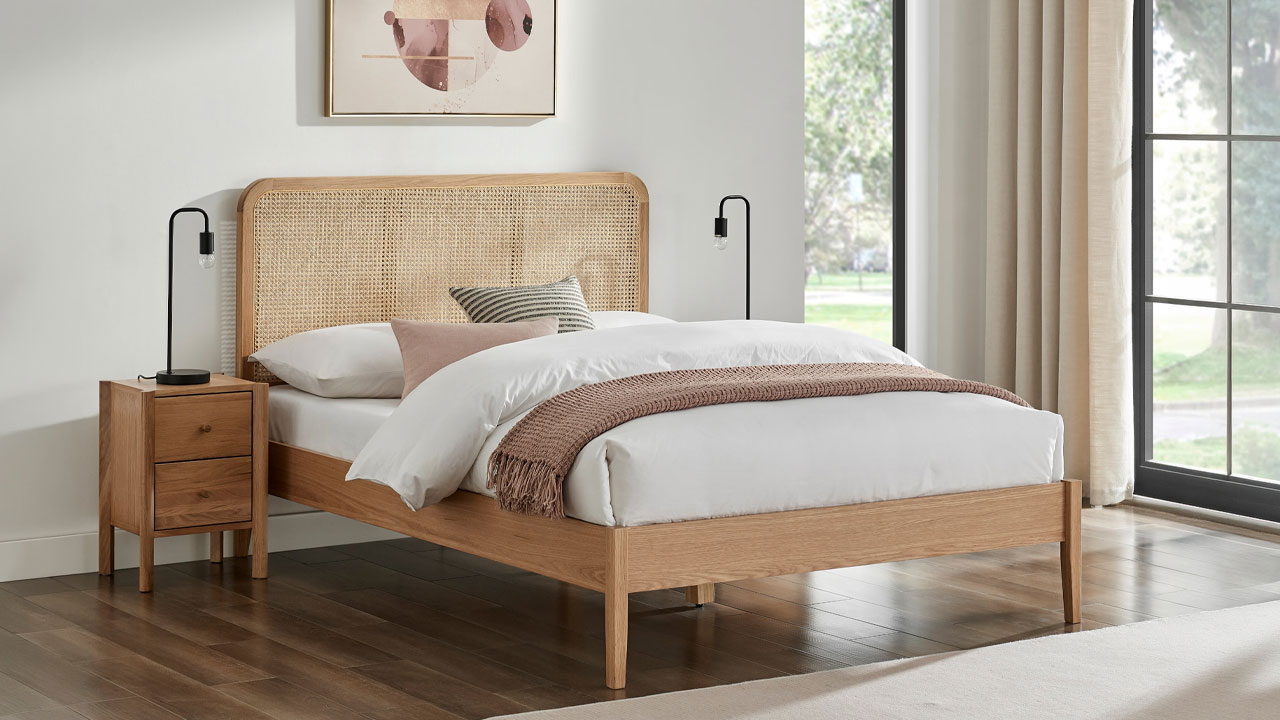
Most bedrooms are designed backwards. People decorate them like any other room, usually choosing colors and furniture for how they look in daylight, only to wonder later why they struggle to sleep at night. When inspected closely, you will find that the space is working against them. The television glows; bright colors keep the mind active; and clutter seeks attention. The bed, the most important part of the room for good sleep, is often the last thing people spend real money on.
A bedroom has one primary job, and it is not to impress visitors. It is to help you sleep. Designing with that in mind does not mean sacrificing style, but it does mean reordering the priorities. Here is how to create a room that works for you at the end of the day and helps you sleep better.
Start With Bed, Because Everything Else is Secondary
The bed is the single most important object in the bedroom, but is often neglected. People will spend a fortune on a sofa they sit on for an hour each evening and hesitate at investing in the surface they spend a third of their lives on. Get the bed right and even a plain room sleeps well. Get it wrong, and no amount of styling can fix it.
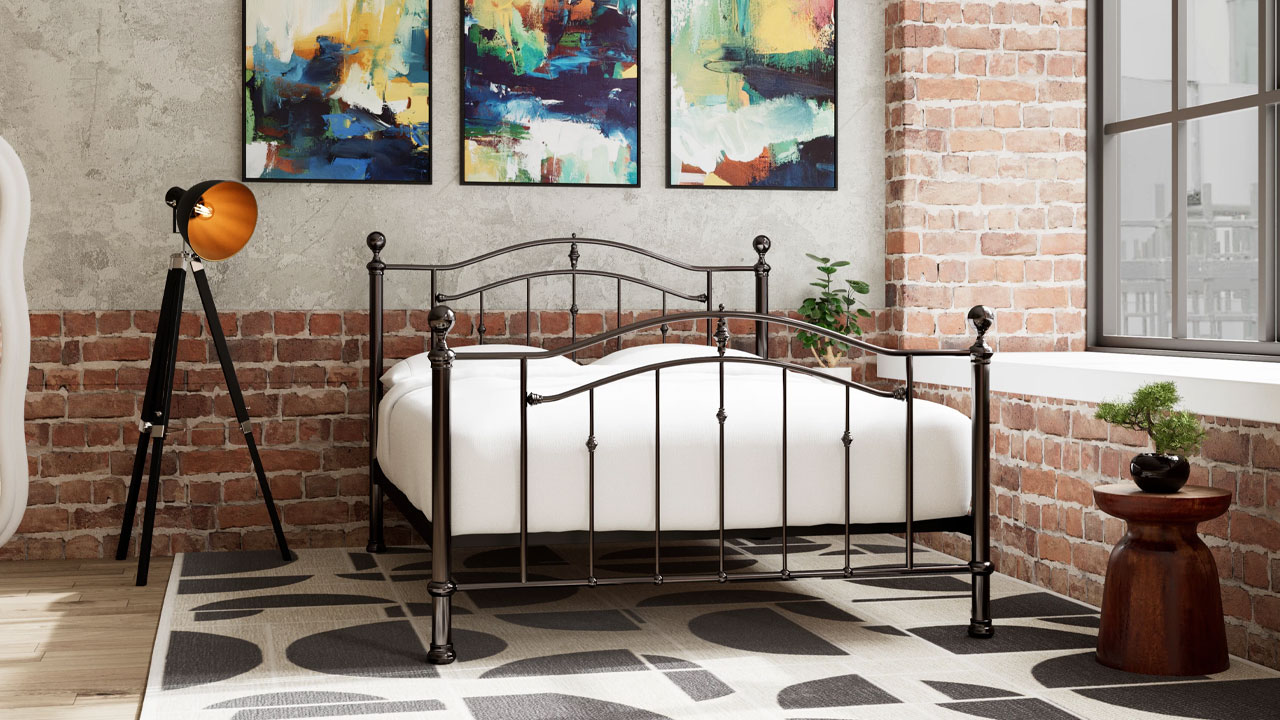
This starts with the mattress, but the frame matters more than people assume too. A solid, well-built frame keeps the mattress properly supported, stops the maddening creak that wakes a light sleeper, and sets the visual tone for the whole room. Choosing a bed frame that anchors the room is both a practical and visual choice because it is the largest piece of furniture and often the first thing the eye notices.
Control the Light
Light plays a major role in sleep. Our bodies naturally slow down as it gets dark and wake up with daylight. This can become a problem when streetlights shine through thin curtains or the early summer sun floods the room before you are ready to wake up.
Blackout curtains or blinds are one of the best upgrades you can make to a bedroom. They block the light that interferes with sleep and help keep the room dark when your body needs it most. If you prefer a softer look during the day, layer them with lighter curtains, but the blackout layer is essential for good sleep.
It is also worth removing small sources of light such as standby LEDs, glowing chargers, and bright alarm clocks that quietly disrupt the darkness.
Choose Calming Colors and Textures
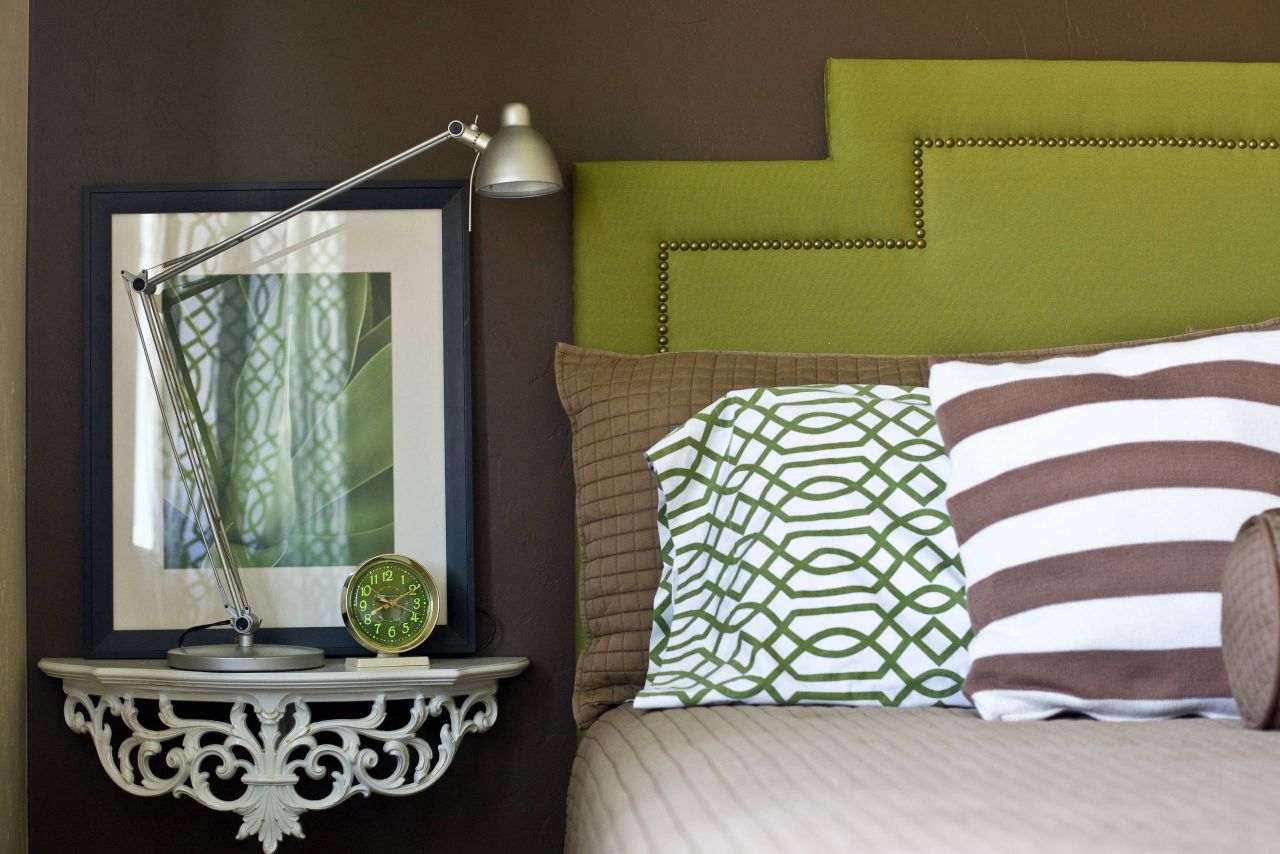
Color affects mood more than we often realize, and the bedroom is one place where calm should take priority over drama. Soft, muted shades such as greens, warm greys, blues, and earthy tones create a more relaxing atmosphere than bright and bold colors. This does not mean giving up personality, only choosing a calmer version of the colors you love.
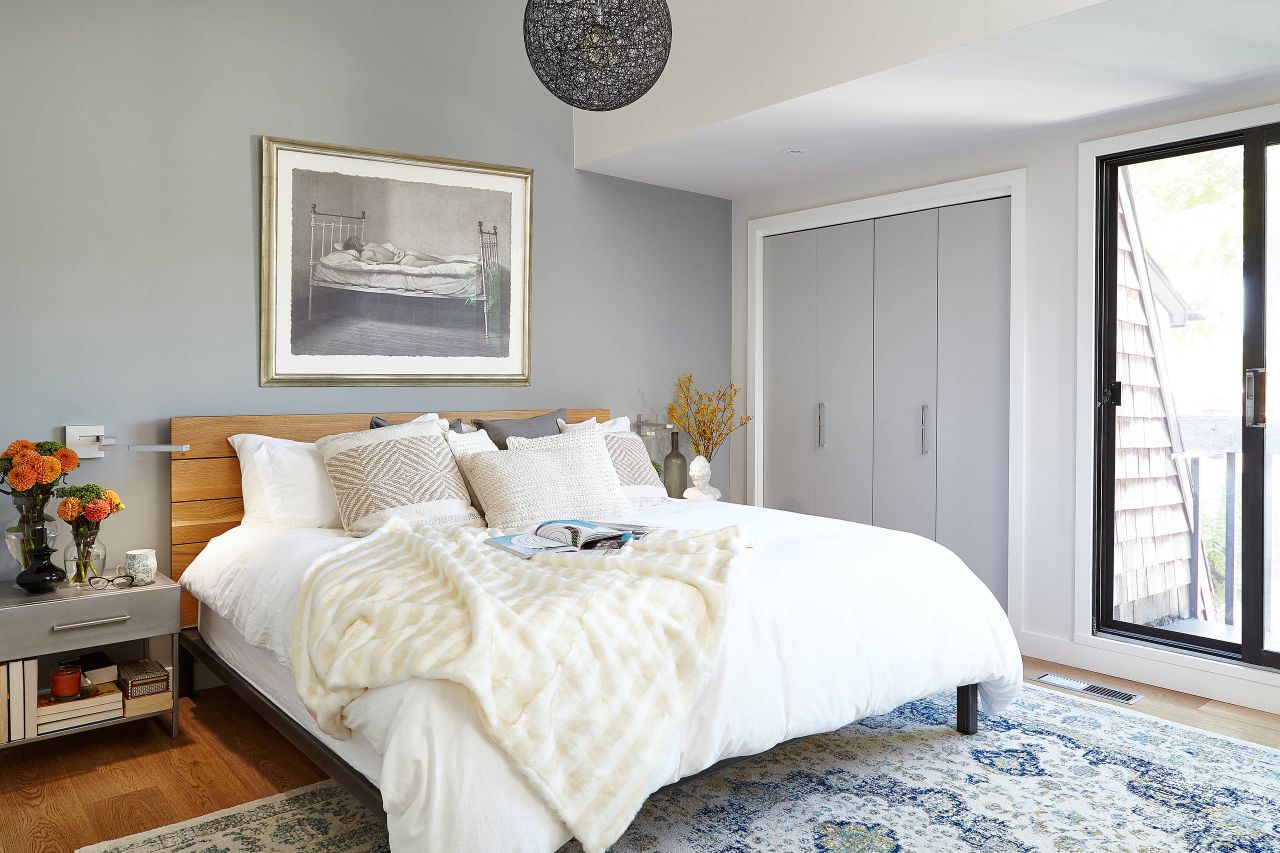
Texture is as important as color. Natural materials such as linen, wool, brushed cotton, and rugs paired with wooden floors help make a room feel warm and inviting. A bedroom that feels comfortable to the touch is often easier to relax in.
Also Read: 10 DIY Bedroom Makeover Ideas You can Pull Off Without Professional Help
Keep It Cool and Airy
Temperature is one of the most underrated factors in sleep. The body naturally cools down to fall asleep, so an overheated room can make that harder. You should try to keep the bedroom slightly cooler than the rest of the house and allow fresh air to circulate.
This is also why breathable, natural bedding often works better than synthetic materials, and why heavier bedding should be saved for colder months. A cool and fresh room is usually much better for sleep than one that feels overly warm.
Remove Clutter and Screens
A cluttered bedroom can become a constant source of stress, with unfinished tasks and everyday mess making it harder to relax. The room does not need to be perfectly minimal, but clear surfaces and a place for everything can help the mind switch off. Storage that hides clutter instead of displaying it is often worth the investment.
Screens are one of the hardest habits to break. A television facing the bed or a phone on the bedside table can turn a place for rest into an extension of work and entertainment. The light from screens can make it harder to fall asleep, while the content keeps the mind active. Keeping the charger across the room and leaving the television out of the bedroom are simple changes that can make a big difference.
Design for the Senses
The best bedrooms engage the senses gently. A warm bedside lamp feels more relaxing than a bright overhead light. A gentle scent such as lavender or cedar can help create a calming atmosphere without overwhelming the room. Soft furnishings like rugs, curtains, and cushions can also absorb noise and make the space feel quieter.
Final Thoughts
A well-designed bedroom is not about following a trend. It is a quiet machine for rest, built around darkness, cool air, calm color and, above all, a proper bed. Get those fundamentals right, and the room does its real job, sending you to sleep and letting you wake up feeling like the day is worth getting up for.
Follow Homecrux on Google News!