How close are we to a humanoid doing our house chores? Redditors say, closer than most people think, but still nowhere near close enough. We’re at the starting line of consumer humanoid robots, with a handful of half-baked models already existing. But a flawless and fully autonomous robot that could send your butler on holiday is still a long way off. Genesis AI, a company backed by former Google CEO Eric Schmidt, wants to close that gap, and it’s doing so by walking away from the humanoid design playbook entirely.
First broken by Fast Company in parallel to a report by Bloomberg, Genesis AI, a Paris-based startup, took the curtain off Eno, its first general-purpose robot, which it touts as “Built to move, adapt, and learn continuously, across the tasks and environments where we already work.”
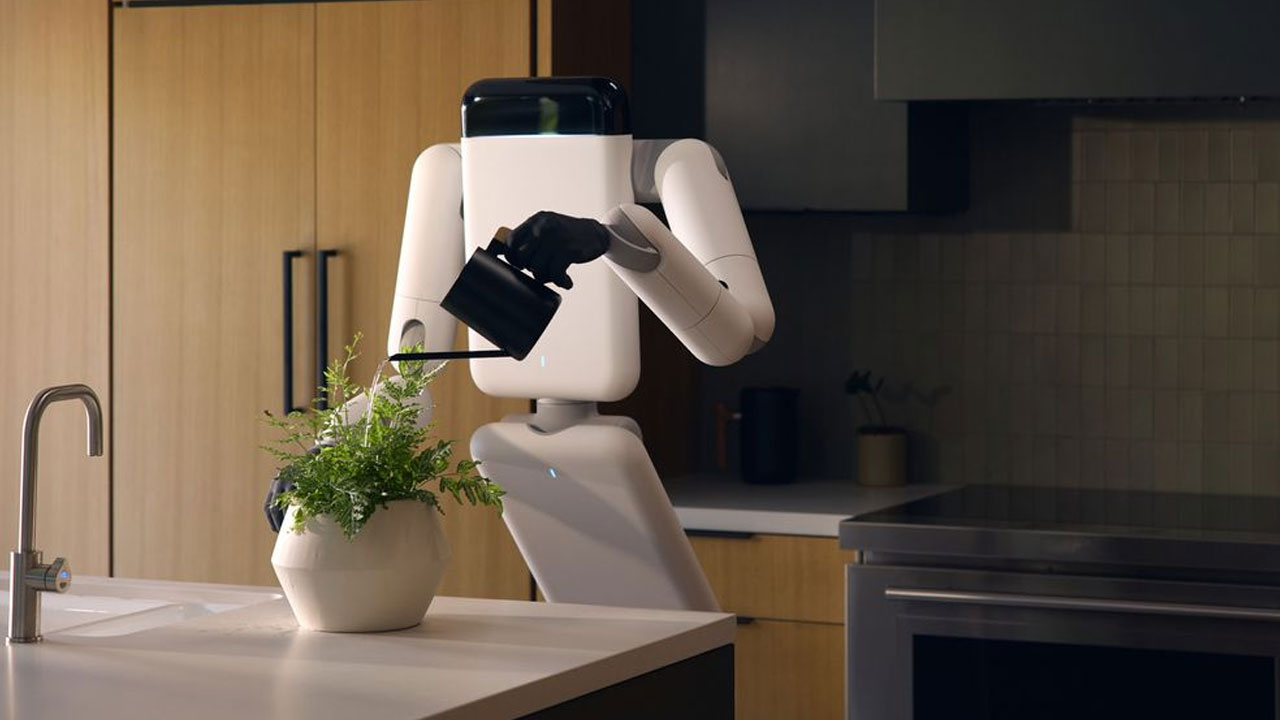
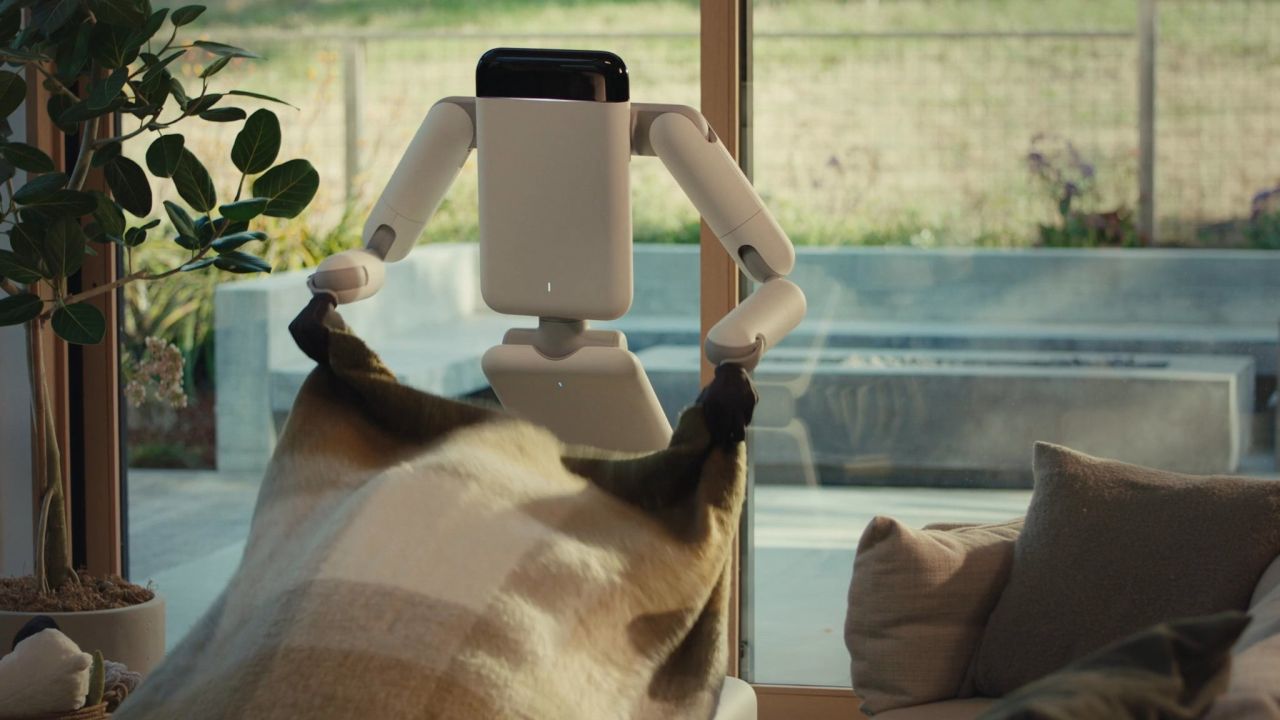
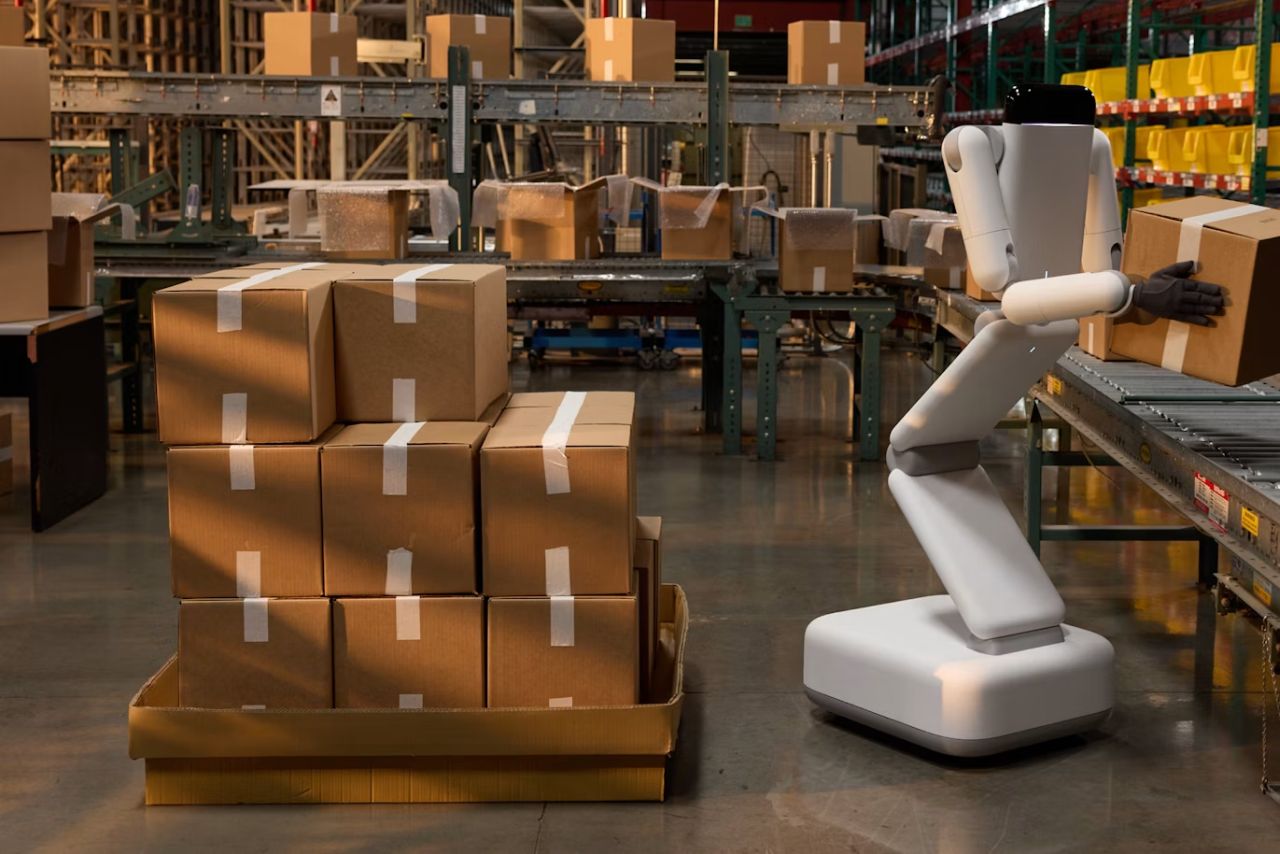
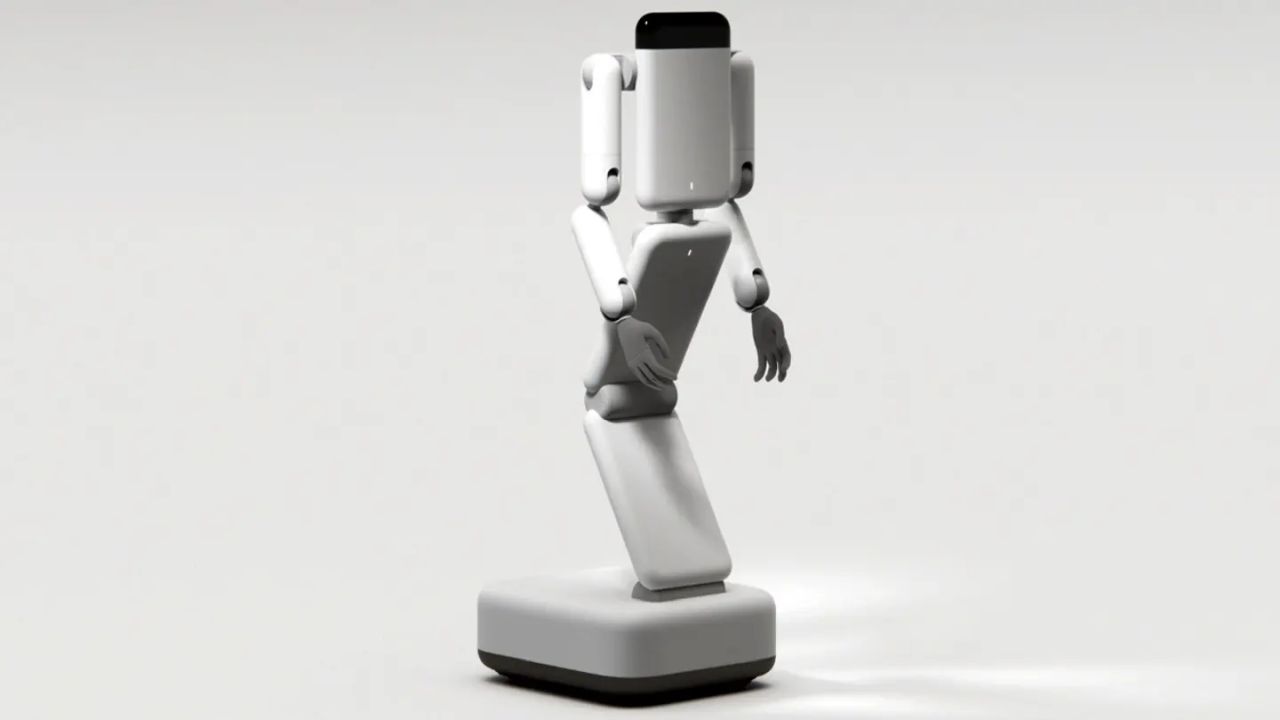
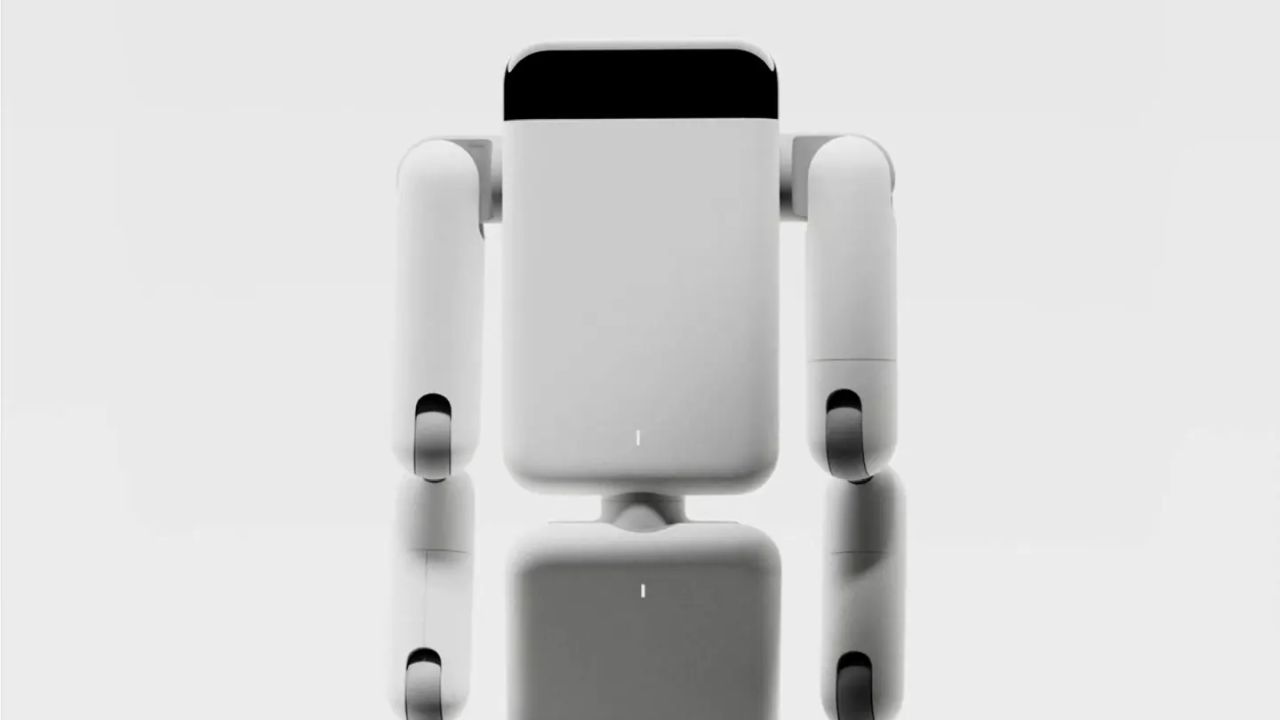
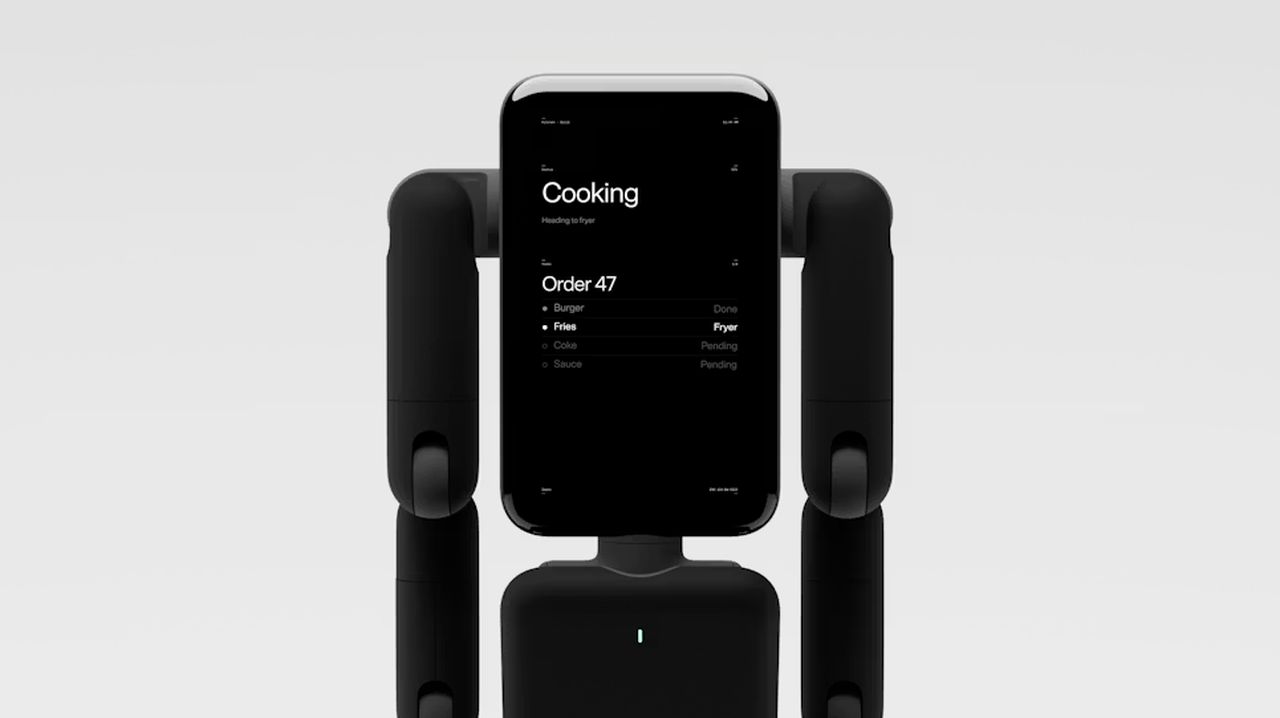
The biggest USP of Eno is its design. Unlike traditional humanoids that were showstopper at this year’s CES, Eno runs on a wheeled base and ditches the humanoid frame and bipedal design entirely. Instead of legs, the robot features a three-panel body that adjusts its height and folds down when not in use. Genesis AI calls its design philosophy one of “essentiality and intention.”
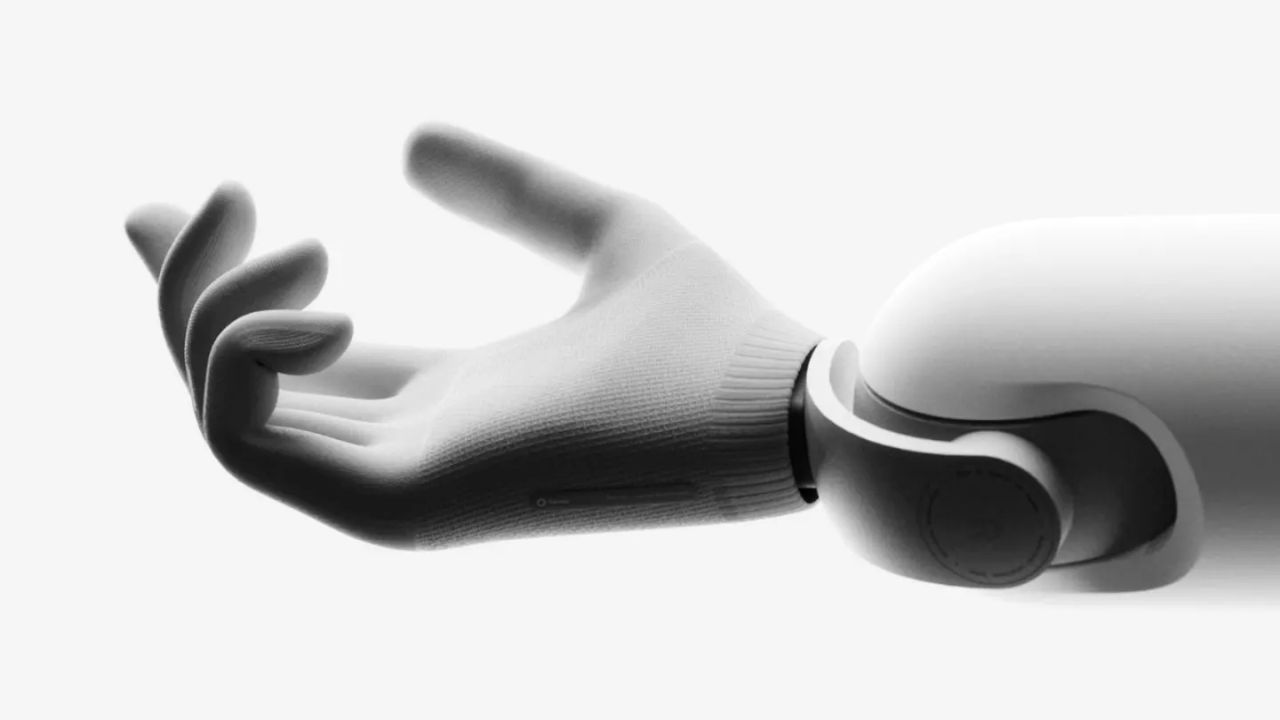
Rather than mimicking a human look, the team built the robot around human capability, leaning into mobility and dexterity to get the work done. Not everything skips the human form, though. The hands are where Eno mirrors us closely. Genesis says its proprietary robotic hands match human hands in both shape and function, with “twenty active, back-drivable degrees of freedom.” This implies that Eno can pick up tools, rotate doorknobs, and do a handful of other tasks without a third person’s intervention.
The biggest story emerging from the launch news still is the robot laying down legs for a wheeled base. Fox News, which covered the launch this week, notes, “Legs add cost, complexity, and a dozen new ways for a robot to fall over.” Genesis told Fox News its industrial customers actually requested wheels, which says a lot about what businesses want from these machines right now. They don’t want a robot that looks impressive in a demo reel. They want one that can roll through a warehouse aisle reliably, shift after shift.
Powering all of this is GENE, Genesis AI’s in-house foundation model, built into the robot. Interesting Engineering reported that GENE lets Eno understand a goal, retain onto memory, adjust when conditions change, and carry out multi-step tasks without someone feeding it commands. So, instead of telling Eno to pick up a box, you’d tell it to keep a production line stocked, and it will figure out the rest, including when to ask for help or reprioritize. Trust AI for all you can!
Moving on, Genesis AI has emphasized user transparency as well. Robb Report noted that Eno will come with an optional screen mounted on the robot itself, showing what it’s thinking and doing in real time. Genesis AI isn’t a new player in the market, but it has stayed under the radar until last year, when the company announced a $105M seed funding backed by Eclipse and Khosla to build a robotics foundation model.
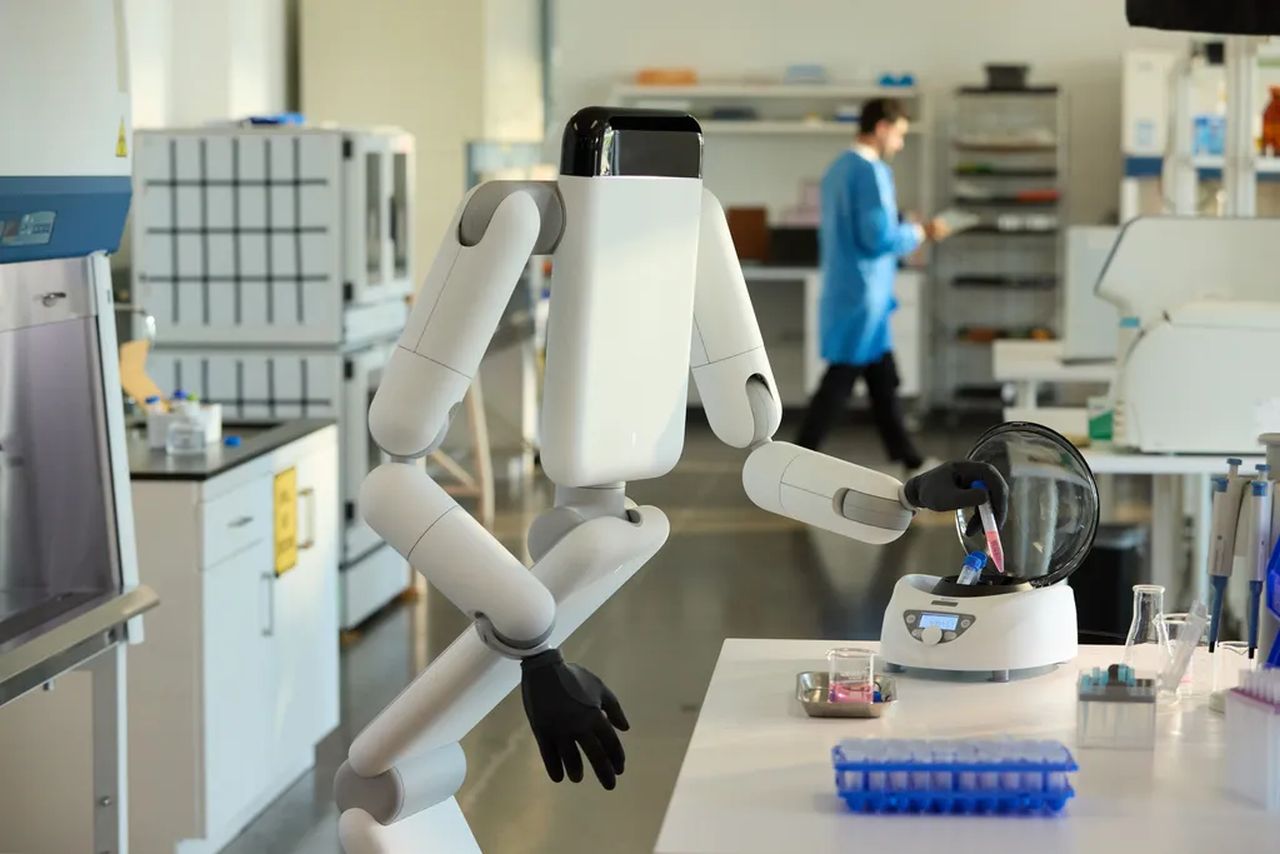
Genesis plans to start production and customer deployment by the end of 2026, beginning with manufacturing, logistics, and lab settings before moving into hotels, hospitals, and eventually homes. The path won’t be easy, considering it has now entered a crowded lane dominated by Figure AI’s Figure 03, which already has a real commercial track record. Not to mention, Boston Dynamics’ Atlas, which is being piloted at Hyundai’s plants, and Tesla’s Optimus is still chasing its own production targets after years of shifting timelines. Most of that competition is betting on legs and a human silhouette. Genesis is betting that what matters is the job getting done, not the shape doing it.
The home and outdoor side of Eno’s roadmap is the part we’ll be watching closely, since it’s the segment we’ve tracked up close at Homecrux. We’ve seen this shift play out in pieces already, from the Astribot T1 showing off household-grade dexterity and Shiguang S1 chasing the same general-purpose promise on a smaller scale. None of them has landed in actual living rooms yet, and that’s the gap Eno is aiming to close once it moves past factories and hospitals.
Another important point to factor in is the floor type. Mind you, it took a decade for a robot vacuum cleaner to climb stairs. Whether wheels beat legs in the long run probably depends on the floor. In a flat warehouse or a hospital corridor, Eno’s base sounds like the smarter call. Homes with stairs are a different story, which is exactly why Genesis has pushed that segment to the back of its roadmap. Nevertheless, the biggest story out of this launch is Genesis AI betting on robotics technology that prioritises a cyborg assistant over a humanoid in form.

Follow Homecrux on Google News!