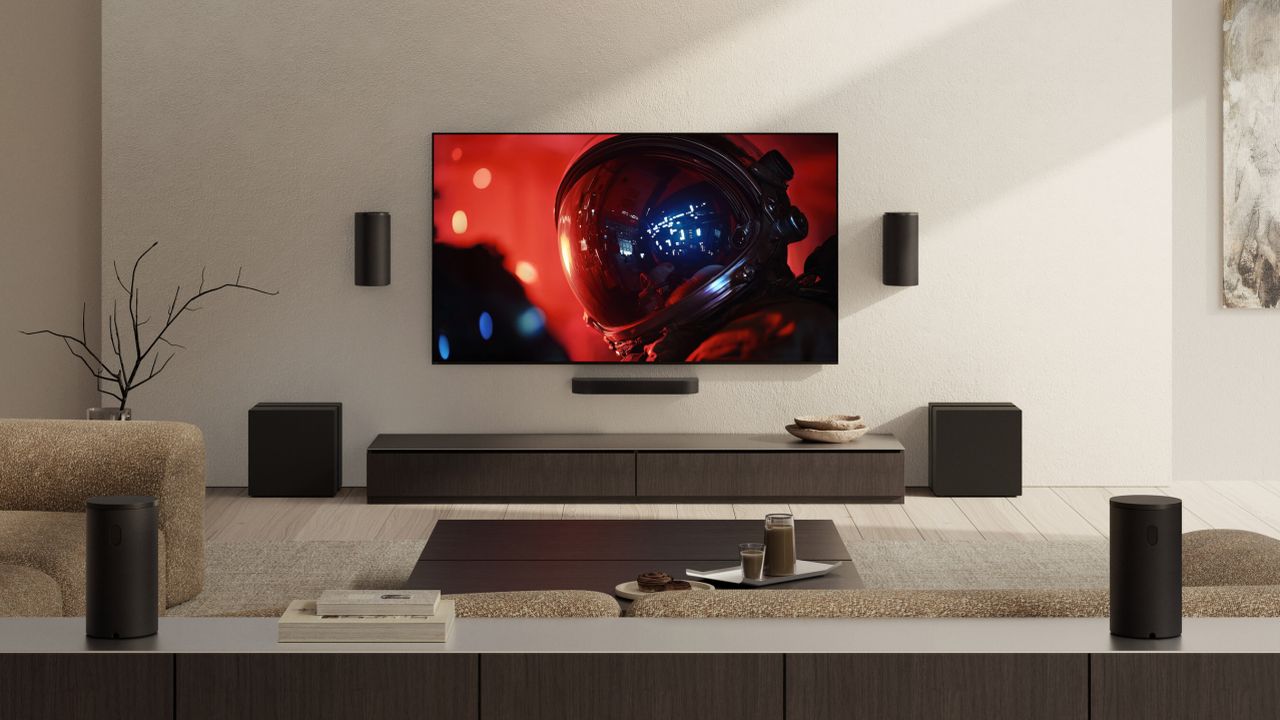
After months of rumors, speculation, and leaks, Sony finally pulled the curtain back on its RGB TV lineup. As detailed in the company’s press release, the lineup comprises BRAVIA 9 II and BRAVIA 7 II, which the company states, “uses independently driven red, green, and blue LEDs for precise color reproduction in bright living room environments.”
To put that statement into perspective, brands like TCL and Hisense are speculated to use two-diode LEDs in their RGB models (green and blue diodes that shine light through a phosphor layer to generate colors). Sony’s True RGB TVs, on the other hand, use true, independently controlled red, green, and blue diodes, which it says “deliver more accurate color reproduction.”
The Bravia 9 II is available in 65-, 75-, 85-, and 115-inch sizes, while the Bravia 7 II starts at 50 inches and goes up from there to 98 inches. Both models feature Sony’s “True RGB” technology, which the company claims delivers up to four times the color volume of OLED and surpasses the brightness of standard Mini LED TVs. In terms of pricing, the Bravia 9 II starts at $3,600 and goes up to $31,000. The more affordable Bravia 7 II starts at $1,600 and tops out at $9,000 for the 98-inch model.
Gizmodo’s Kyle Barr, who spent two hours with both TVs, noted that the Bravia 9 II’s RGB technology could make some scenes pop with added detail, enough to spot orange tones among the deep greens of a Japanese pine forest. But he also flagged that the picture could tip into oversaturation territory depending on the mode, and that just how good it actually looks may come down to settings.
The Verge’s John Higgins, who had access to the first look, calls it a statement piece, while Forbes points out, “The Bravia 9 II’s images look beautifully sharp and detailed without looking forced or gritty.” Tom’s Guide Kate Kozuch called it a masterclass in Mini-LED, and Tech Radar’s Matt Bolton concluded it to be a worthy competitor for Samsung’s eye-popping Micro RGB TV.
So, how did Sony create this difference that its competitors couldn’t? To understand that, we first need to know what RGB technology is. Unlike traditional TVs that use color-degrading filters, RGB technology eliminates them, delivering unparalleled brightness, vivid color volume, and contrast. RGB TVs still use an LCD panel with a backlight behind it, just like regular Mini-LED TVs. The big difference is that the backlight can change color to better complement the image on the screen.
Sony has further enhanced this with its X-Wide Angle Pro technology for better viewing angles and a new anti-reflective coating. Sony did not share details about the anti-reflective layer, “but it appeared to have a matte finish based on how light behaved during the demo,” observers notes.
It is to be noted that Sony is entering the RGB TV race later than its rivals, who have not only showcased their respective models at CES but also put them on sale. Sony says it took longer because it chose a different approach. But what took Sony so long to pull the trigger? HDTV Test points, Sony’s “True RGB” TV took time to develop because managing three independent red, green, and blue diodes in an LCD backlight required complex processing algorithms to avoid colored halos. Rather than rushing a less refined version, Sony spent months ensuring the color-mixing algorithms matched the strict precision of their professional mastering monitors.
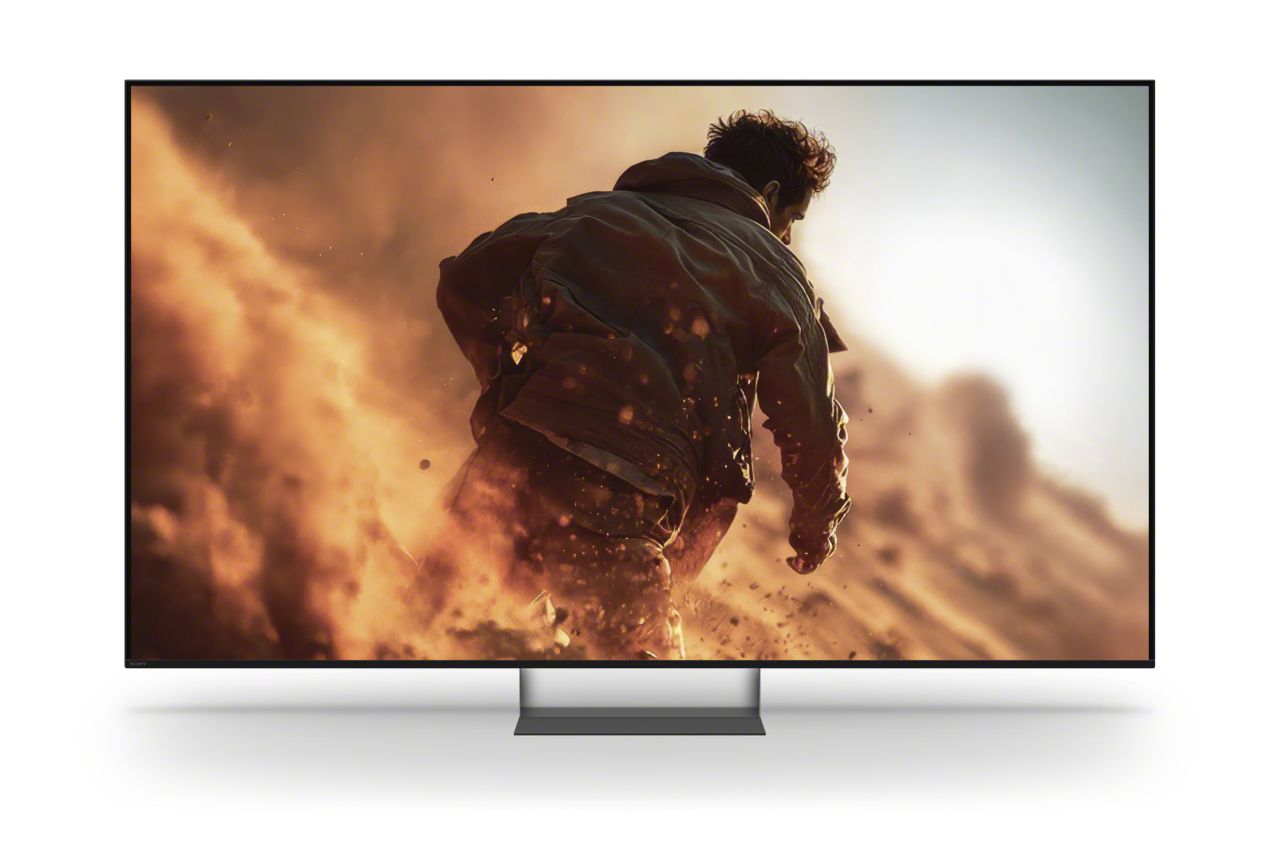
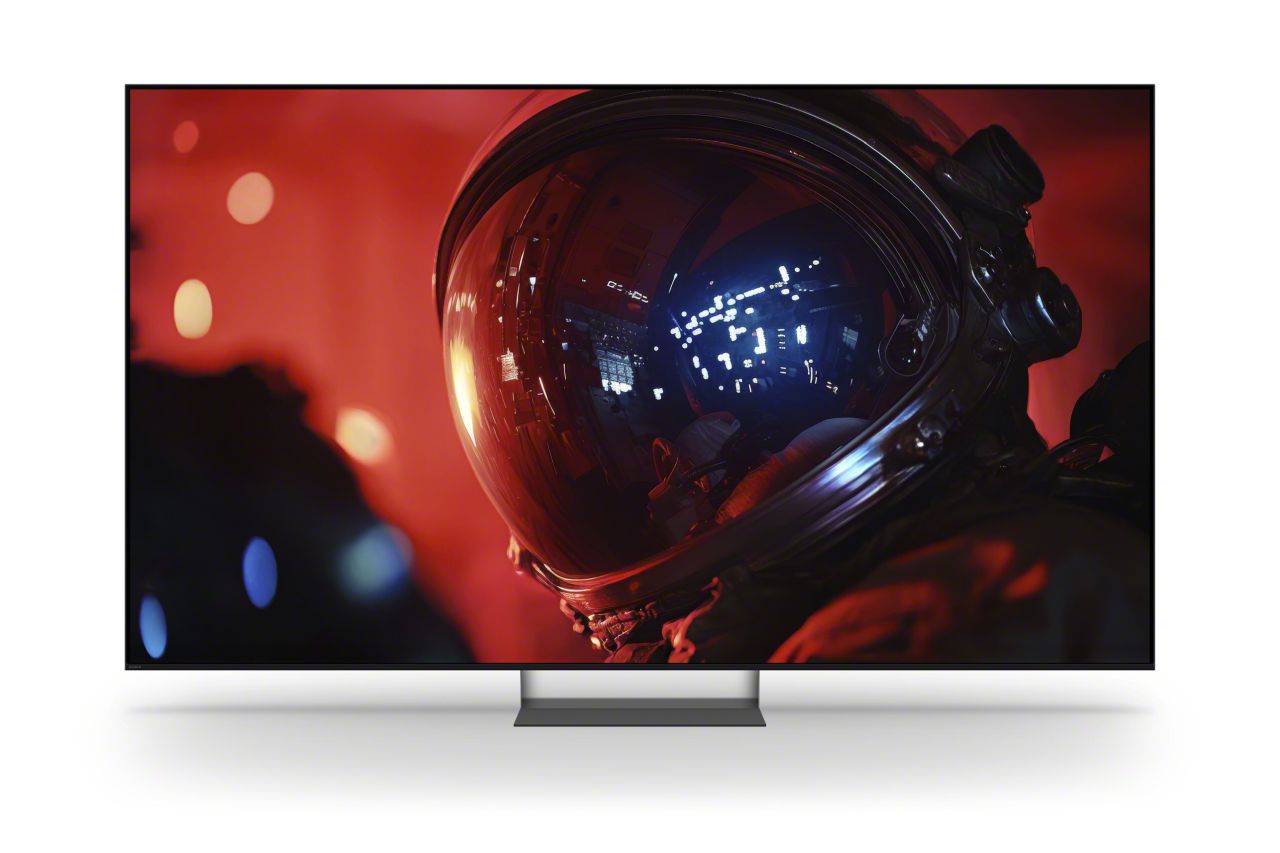
Each LED is powered by Sony’s RGB Backlight Master Drive Pro, with both models offering wide viewing angles. They also include Voice Zoom 3, an AI feature that enhances dialogue clarity. Both TVs come with a slim transparent stand that gives them a floating, cable-free look.
Additionally, both TVs run Google TV with Gemini built in and support Dolby Vision, Dolby Atmos, DTS:X, and IMAX Enhanced. Sony has also baked in calibrated picture modes for Netflix, Prime Video, and its own Sony Pictures Core streaming platform. Interested individuals can purchase the brand-new Sony RGB TVs from its official website.
Follow Homecrux on Google News!