Trailers are more or less the same. They have convertible sleeping areas, built-in kitchenettes, off-grid solar power systems, fresh water tanks, ample storage, and durable off-road suspensions. Still, year after year, we see companies introduce new models that tweak the existing formula because there’s always room for improvement.
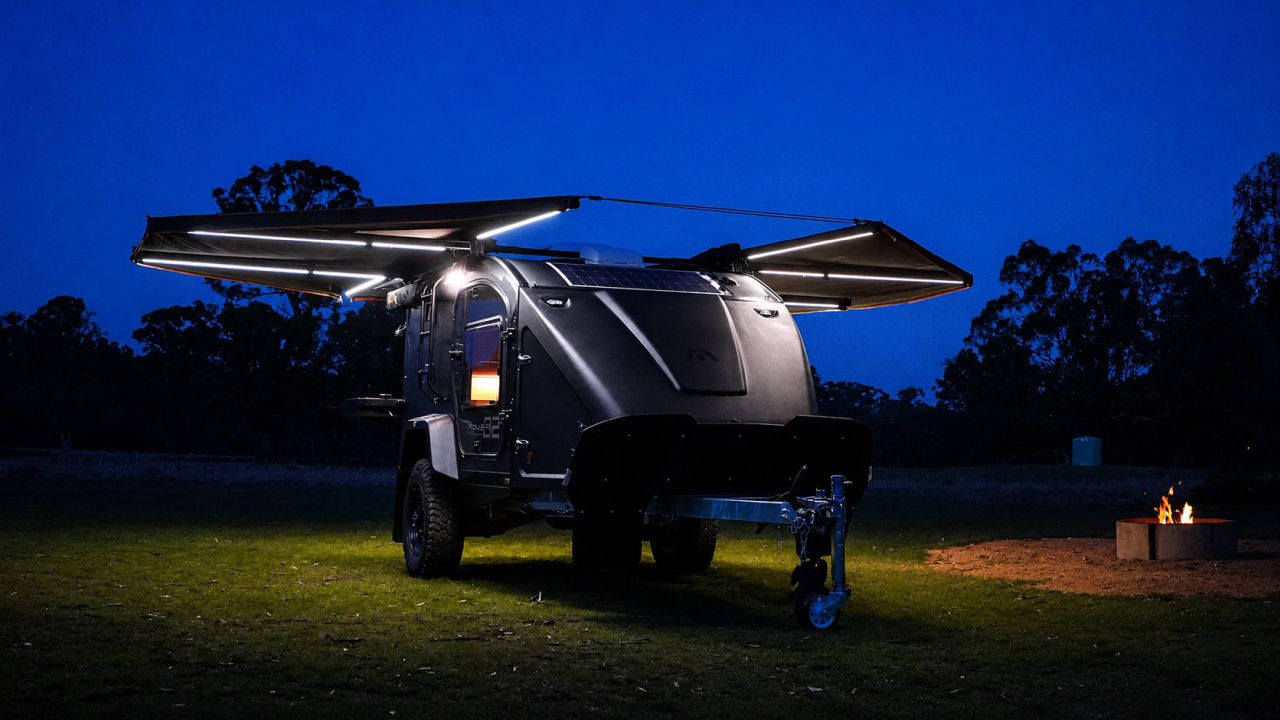
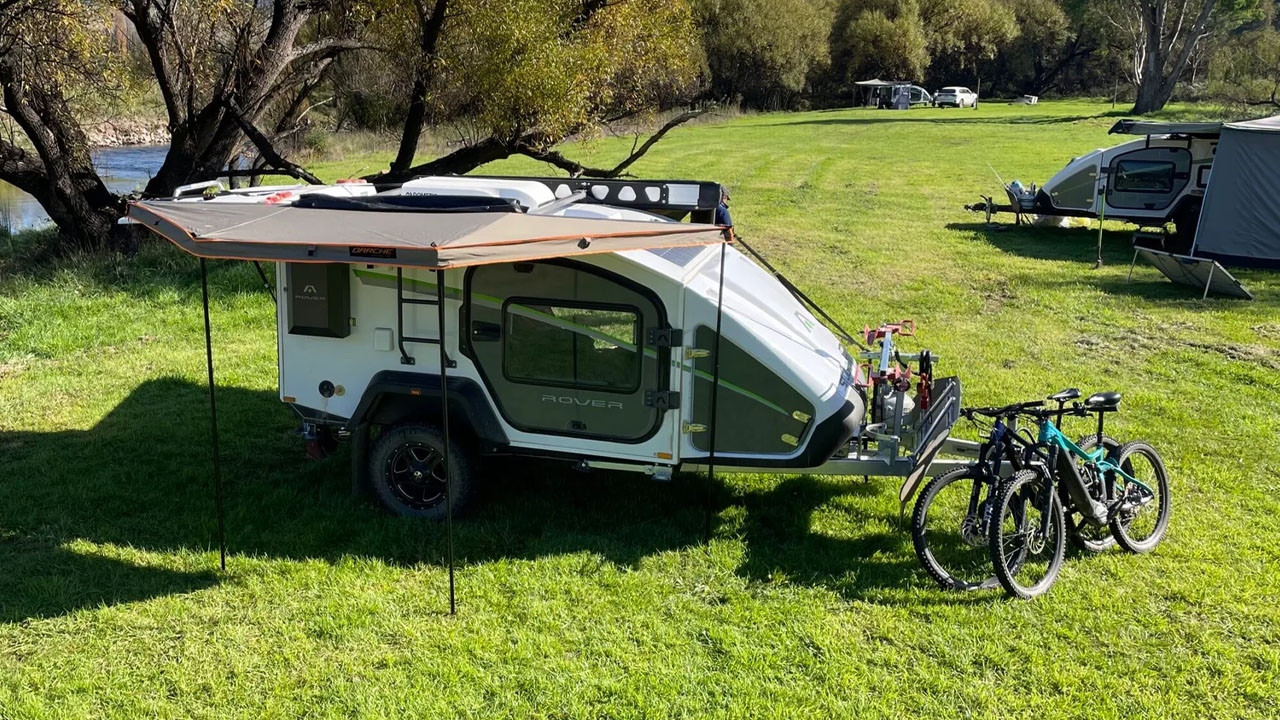
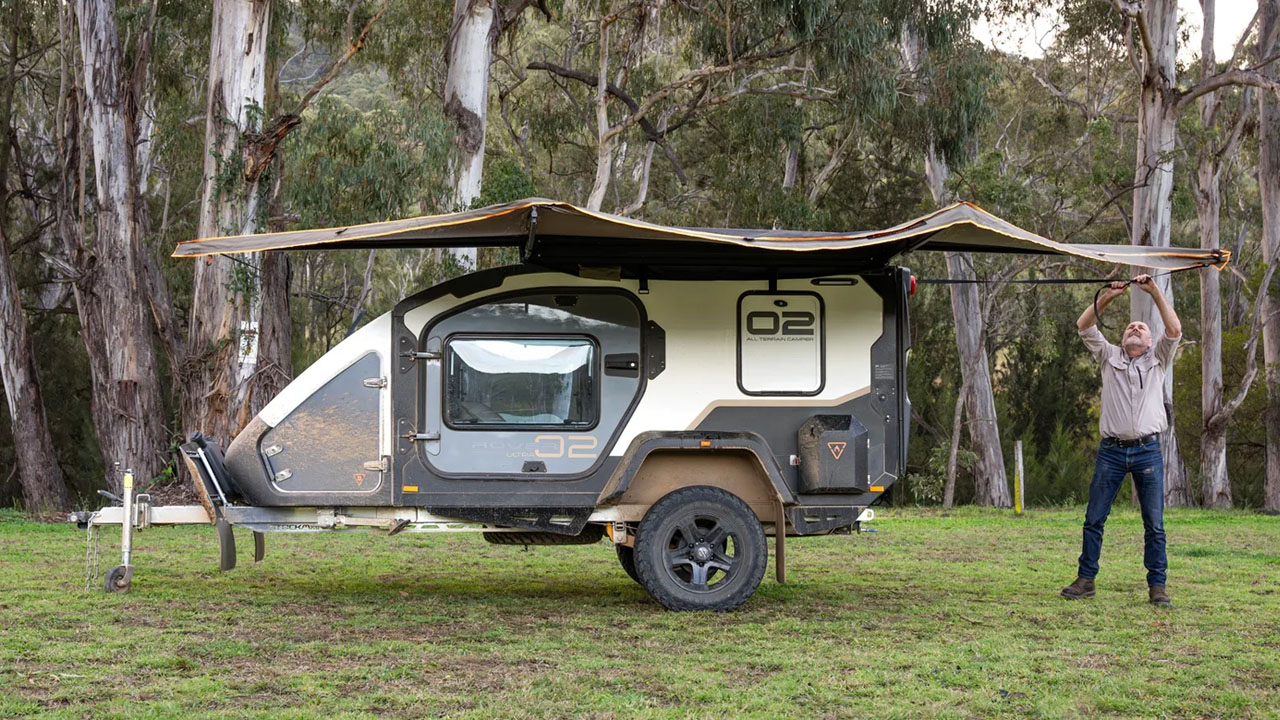
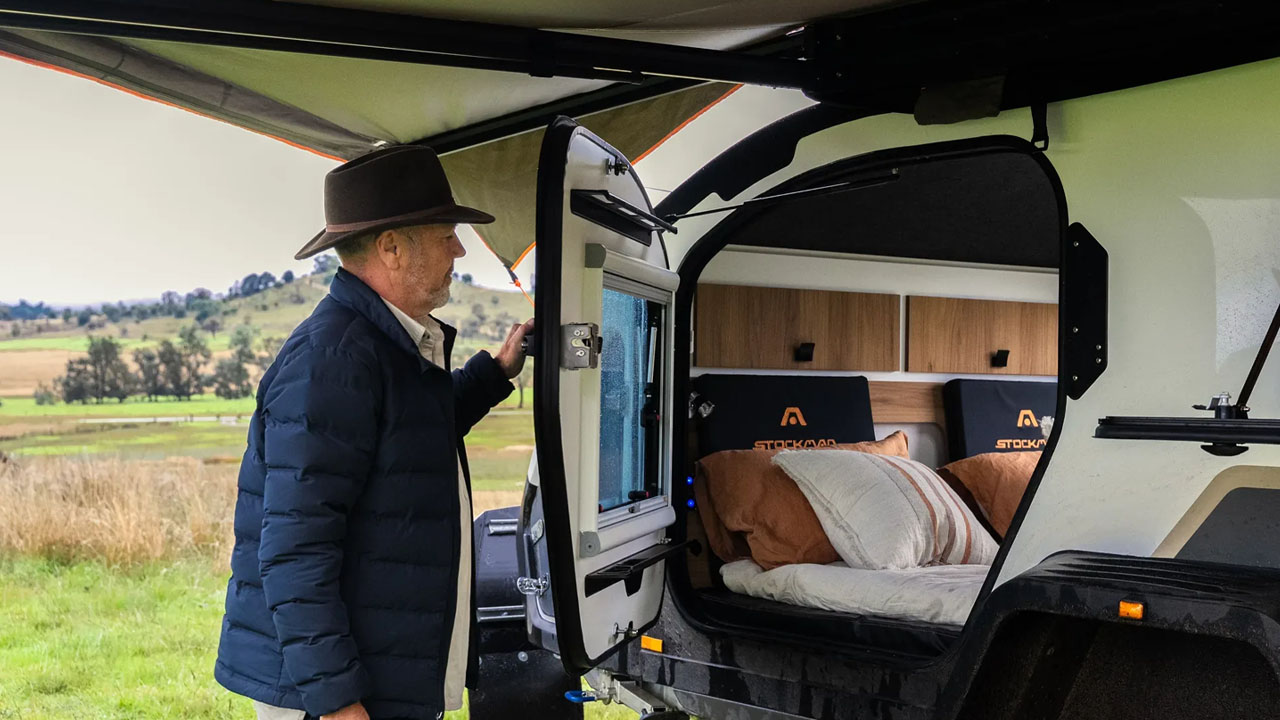
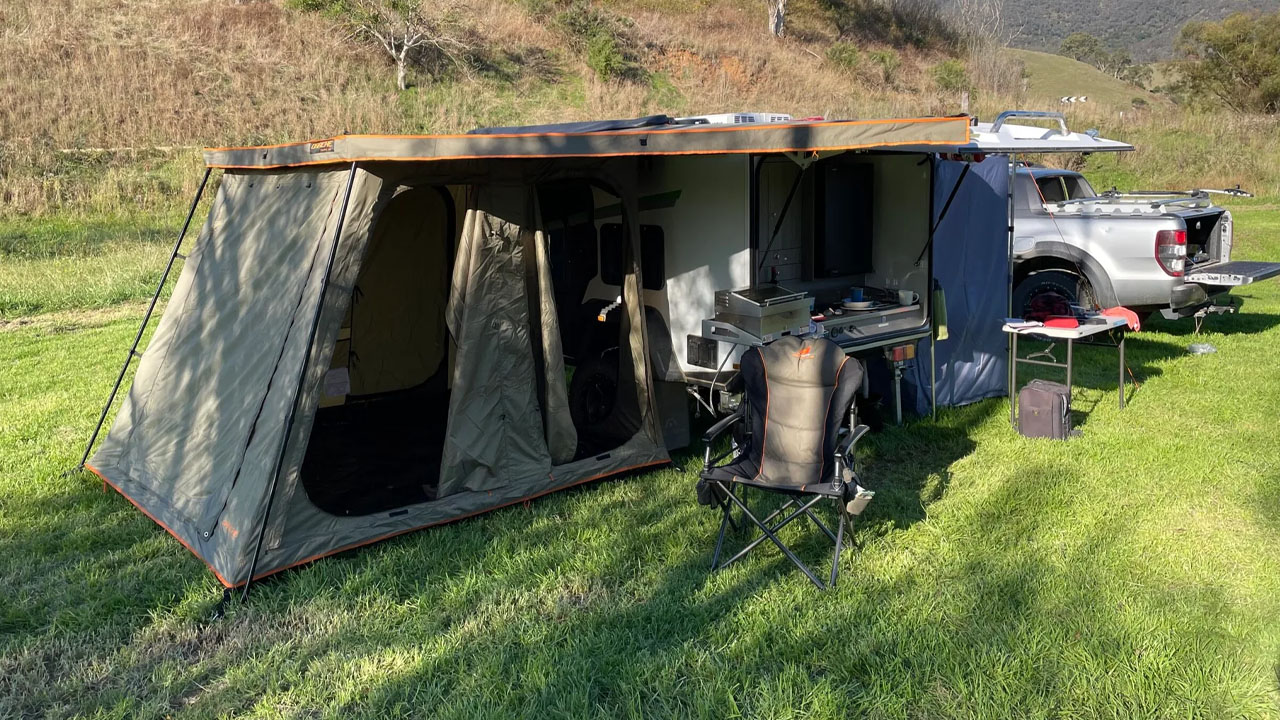
Australian RV manufacturer Stockman Products saw the scope for improvement in the living space department that RVs typically don’t offer. As a result, they introduced the Rover 2.0 trailer that comes with practical upgrades including an optional dual 180-degree awning. The Rover 2.0 awning can function as both a shade awning and a fully enclosed tent. It operates as an awning first, but by zipping in optional awning walls and a floor, it transforms into an enclosed, bug-proof tent or annex room.
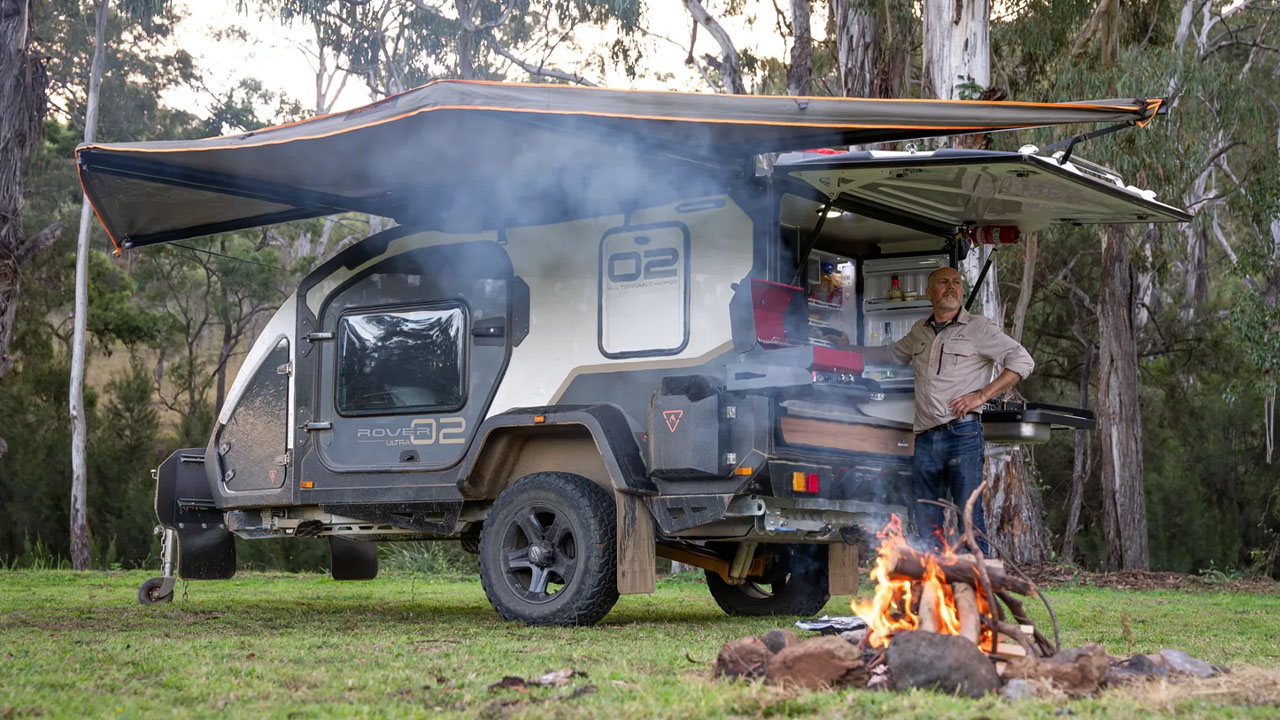
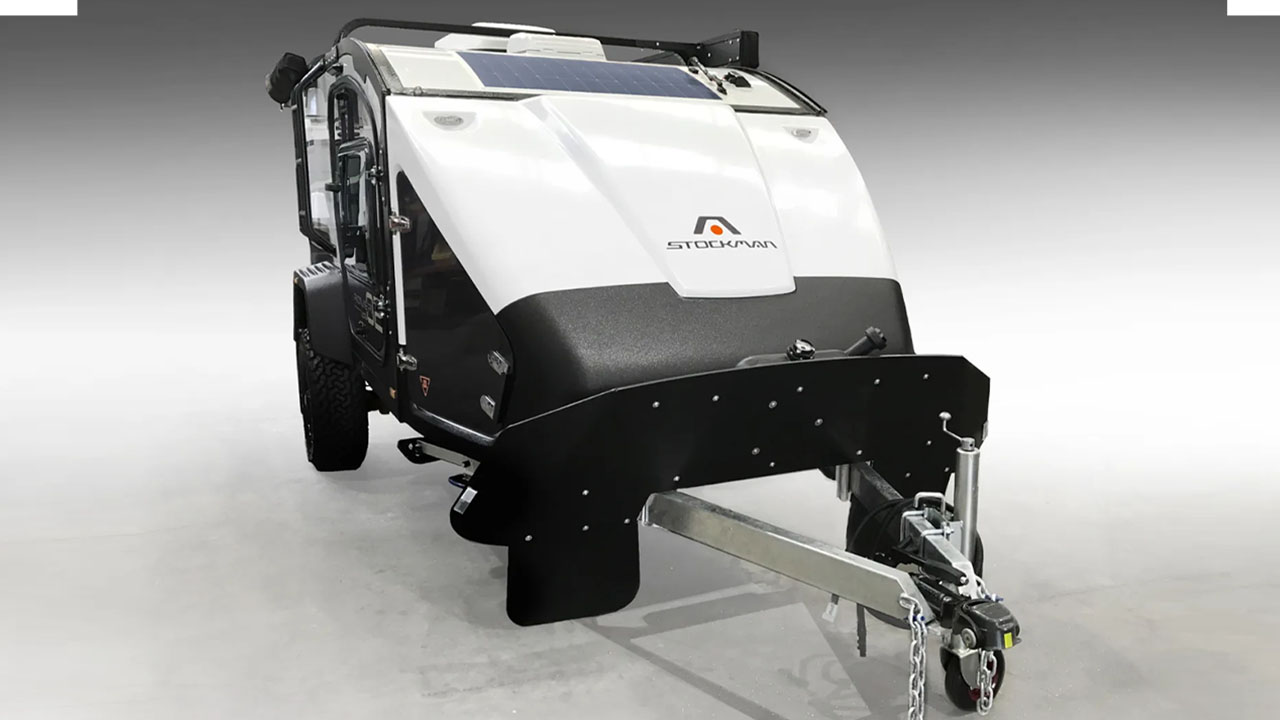
Available in three configurations: the Escape, the Intrepid, and the Ultra, Rover 2.0 trailer boasts a black-out finish that’s already drawing Batmobile comparisons. New Atlas, which has covered the Rover since its debut, called the updated trailer “bullet-like,” acknowledging its sharp-nosed profile that only gets sharper under the new finish. Complementing the Batmobile-style black-out finish is the new Escape, a base model built around a different philosophy than the rest of the range.
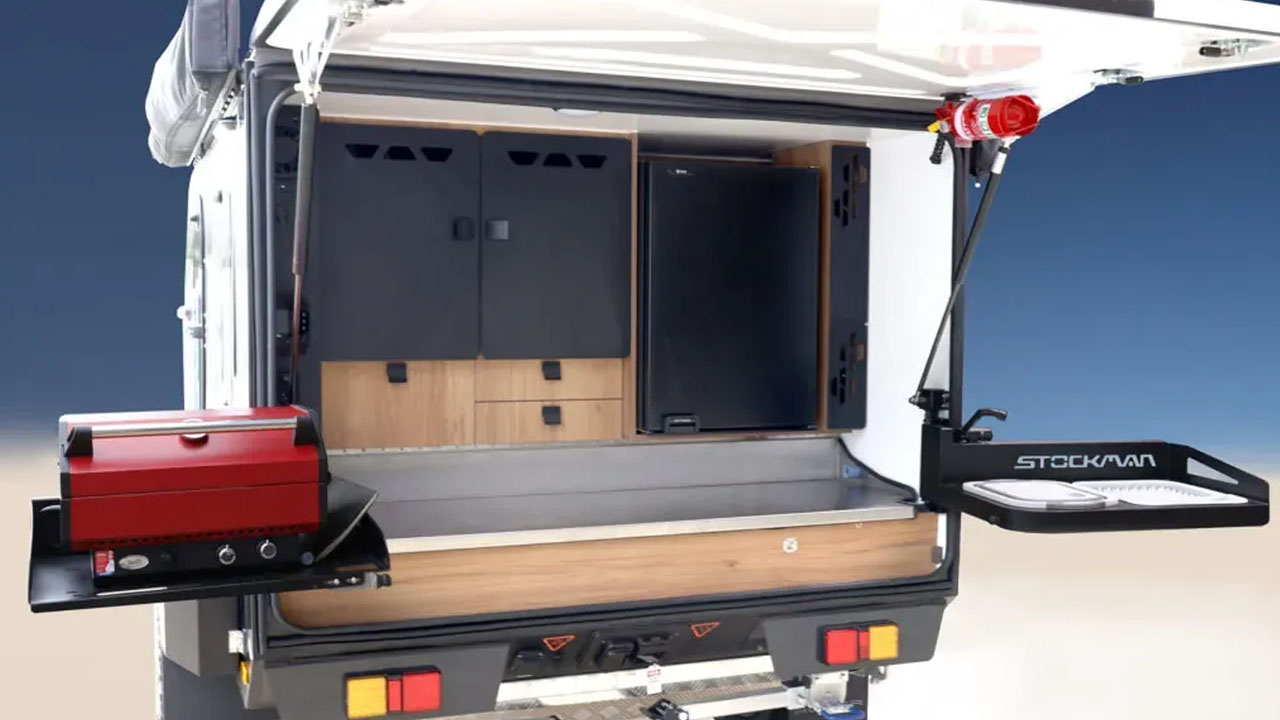
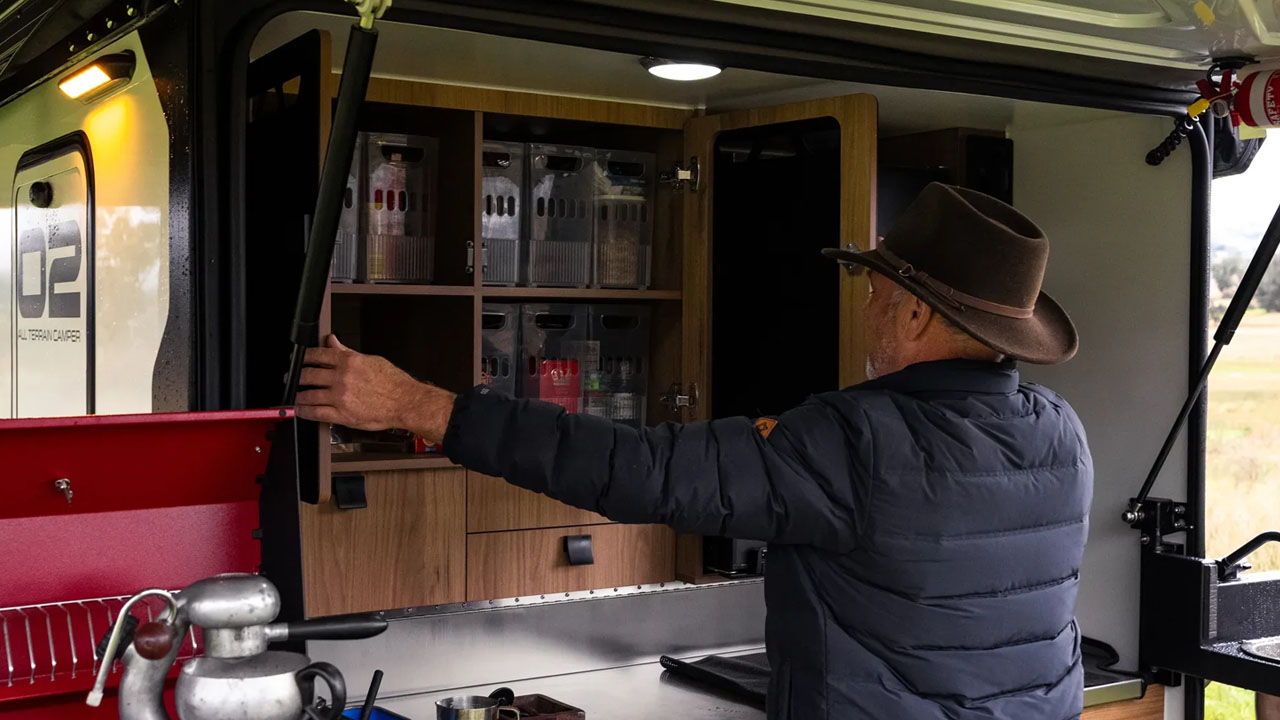
Instead of loading it with the fixed inclusions the other Rover models carry, Stockman has accoutred the Escape with essentials only. This includes a queen inner-spring mattress, a stainless-steel kitchen bench, a 150-liter water tank, and a Renogy power system with a 120Ah lithium battery and 100W of roof solar. Other features, namely fridge, stove, hot water, and awning, are all left as add-on options.
The idea is that campers who already own gear, or want to choose their own, shouldn’t have to pay for a fixed list of inclusions. The Rover 2.0 trailer starts at AU $50,000 (approximately US$35,00), a AU$10,000 drop from where the entry price sat last year, and well below the AU$64,990 (US$45,350) Intrepid and the AU$79,990 (US$55,825) Ultra flagship.
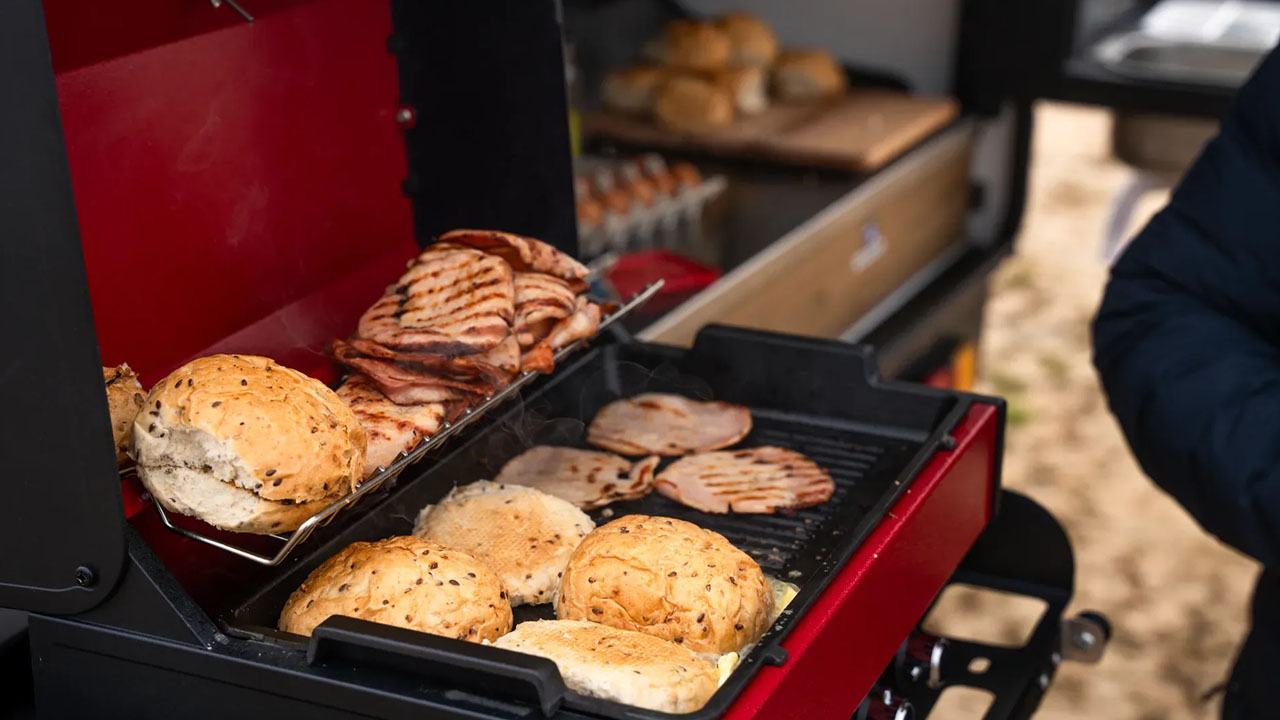
The Renogy power system comes standard in mid-tier Intrepid too, which builds on it with a swing-out stove, a 130-liter fridge, and a drop-down shower tent rather than a bigger battery. The power system itself is new across the whole lineup. Every Rover model now runs on Renogy hardware, replacing the Redarc system Stockman used previously. The Ultra flagship is where the RV gets bigger and better. This includes a 300Ah lithium battery upgradeable to 600Ah, a 2,000W inverter charger, an 80A AC charger, a 50A DC-DC charger, and a 220W portable solar array, all managed through a 7-inch Renogy One Vision touchscreen mounted next to the galley.
Also Read: Hard-Shell Earth Trailer Expands Into 10-Person Basecamp in Minutes
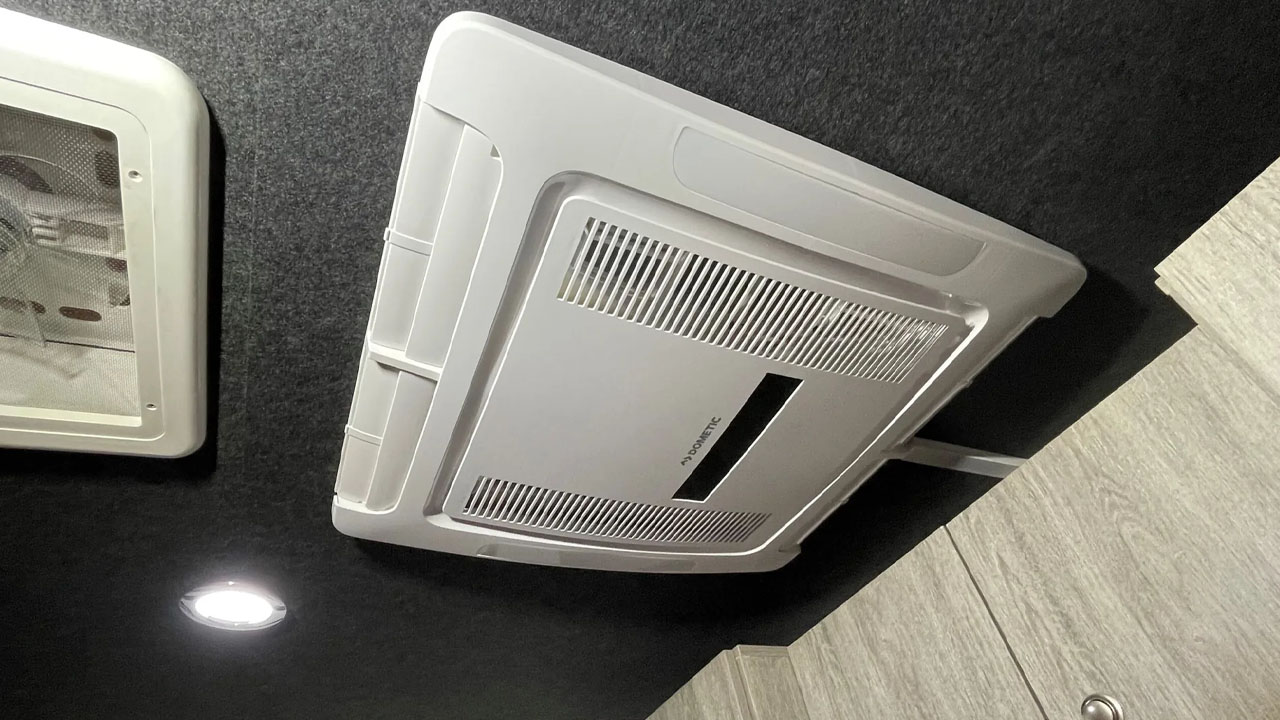
All three variants get a Renogy One Core display inside the cabin, so owners can check battery and solar readings without stepping outside. There are also rumours of a software update that will turn that same screen into a second controller, letting owners switch on lights, air conditioning, or the inverter from inside.
When it comes to off-road prowess, the Rover 2.0 trailer still rides on a hot-dipped, galvanized steel chassis. The entry-level Escape sits on leaf springs with 17-inch alloy wheels, while the Intrepid and Ultra step up to Cruisemaster XT independent coil suspension with dual shocks, riding on 235/65 R17 all-terrain tires. For more information, visit the official website of Stockman Products.
Follow Homecrux on Google News!