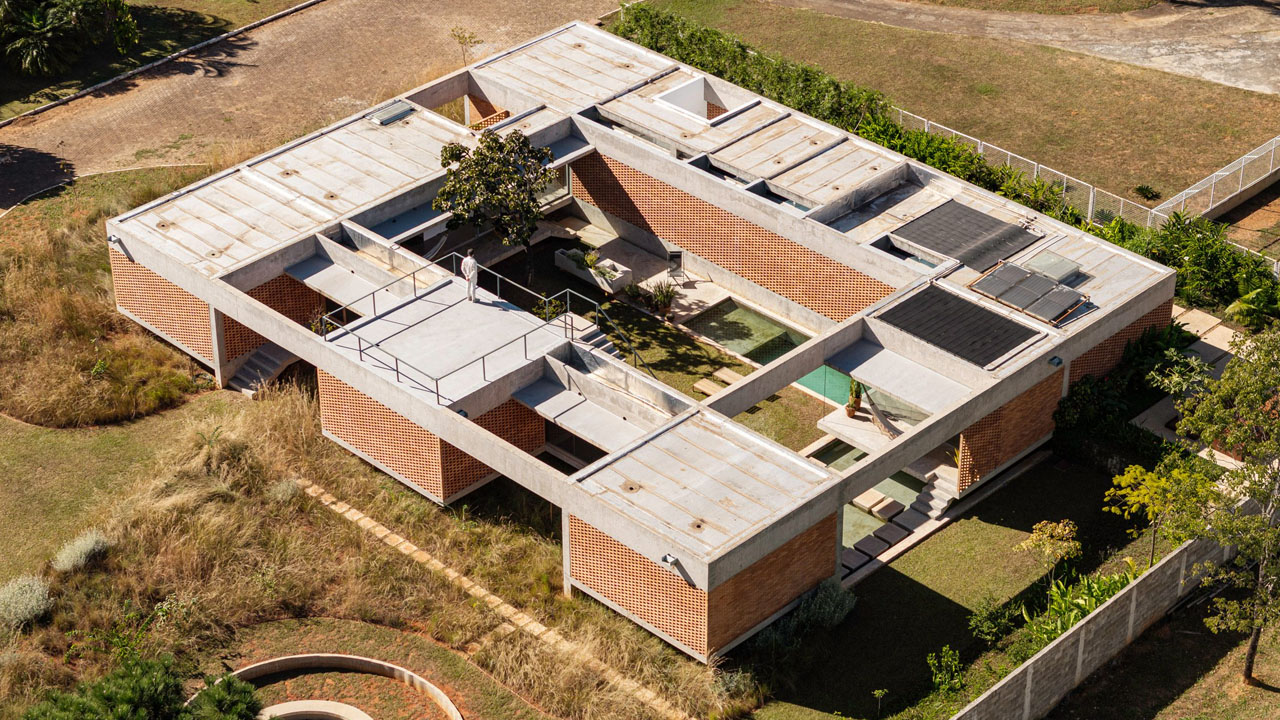
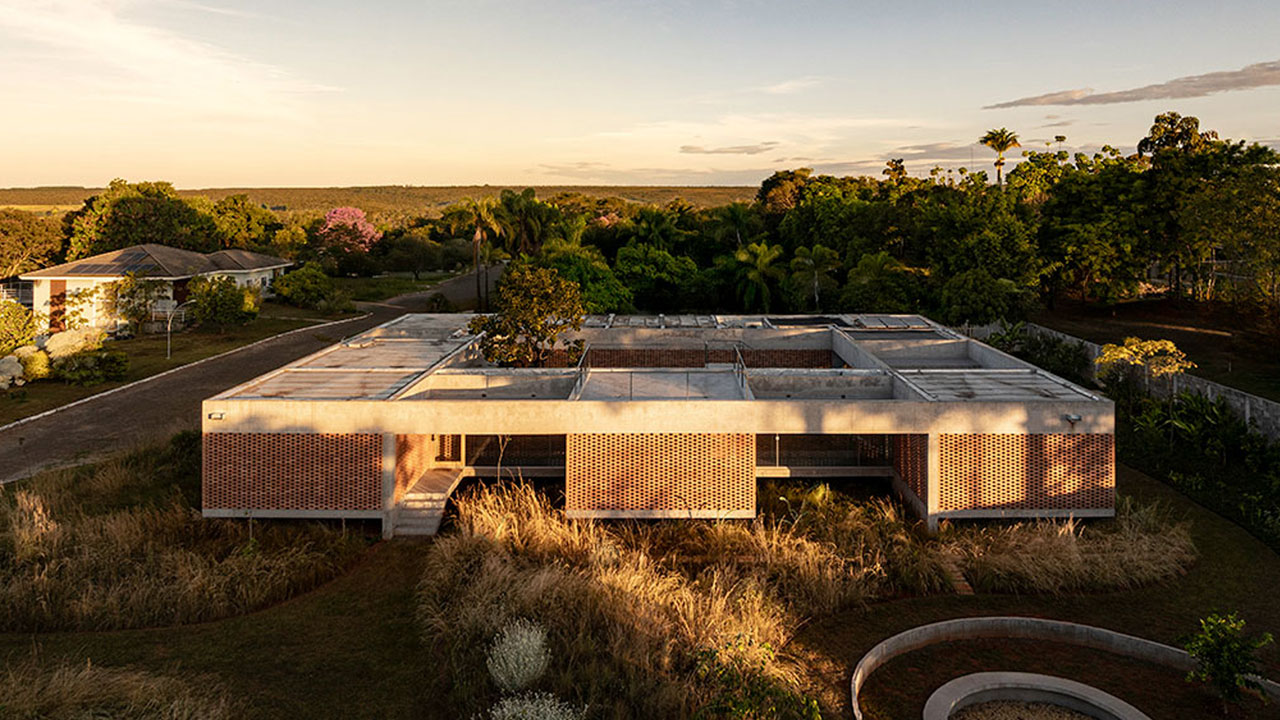
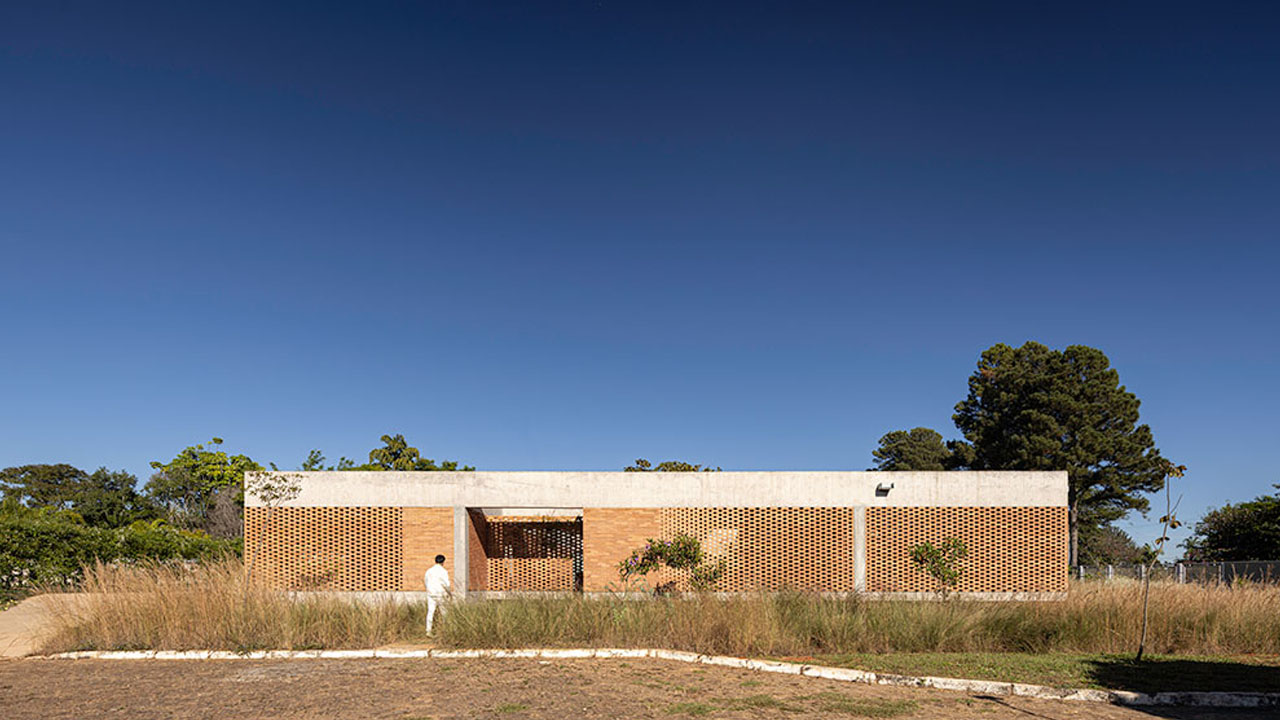
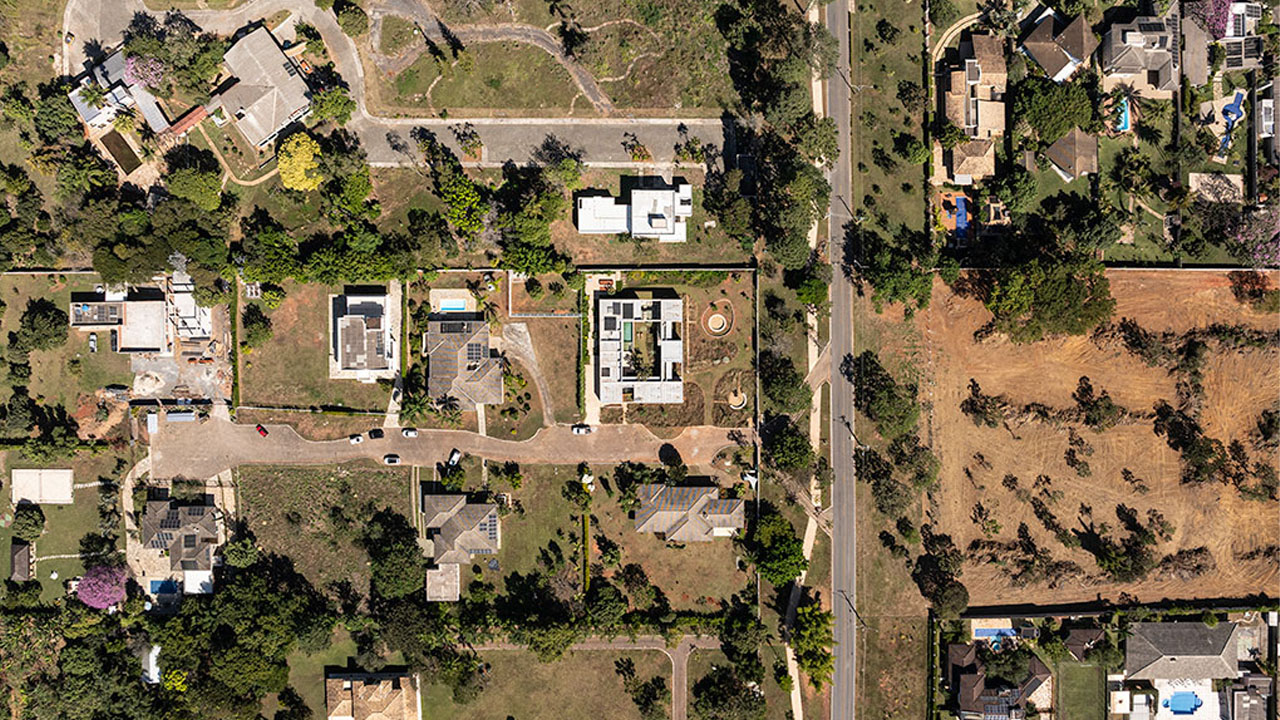
Brazil-based BLOCO Arquitetos designed and built Tupin House, a self-regulating passive home to tackle the harsh Cerrado climate in central Brazil, through a windowless porous façade. The passive sanctuary lies in Setor de Mansões Park Way, about 20 kilometers away from Brasília’s Plano Piloto. The porous house harnesses the surrounding natural elements to pacify the harsh climate without relying on any mechanical cooling/HVAC system.
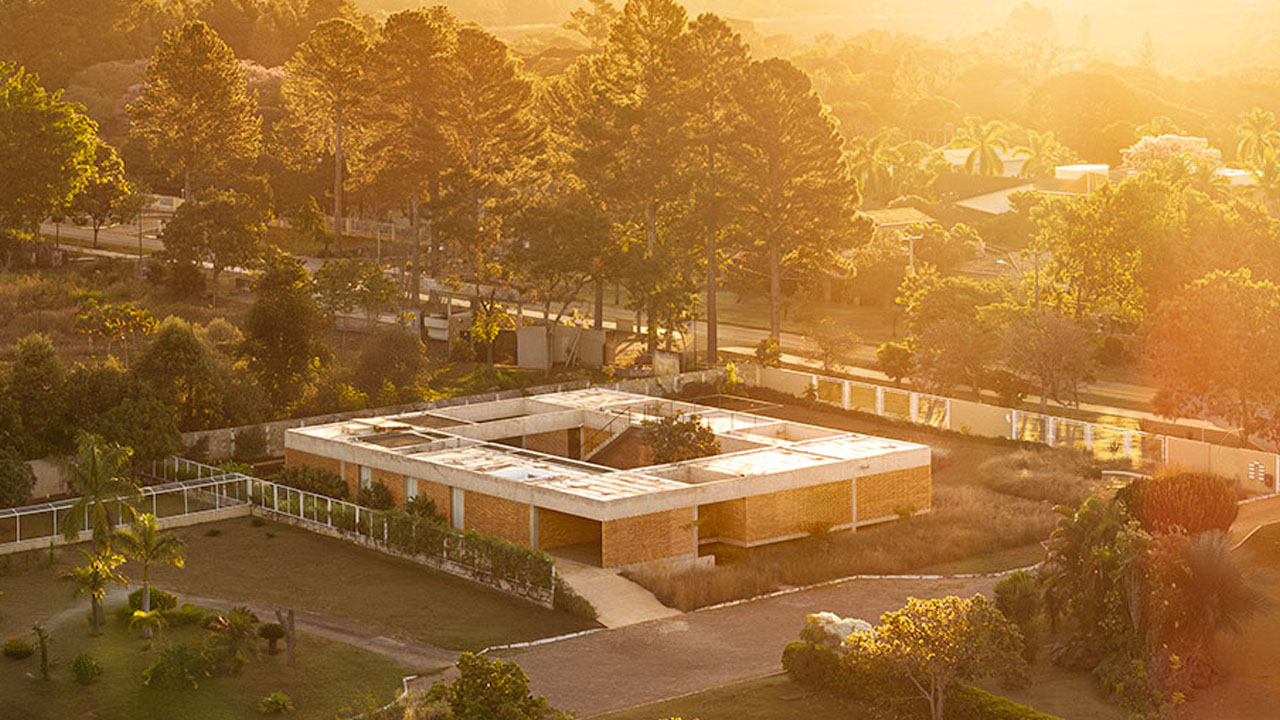
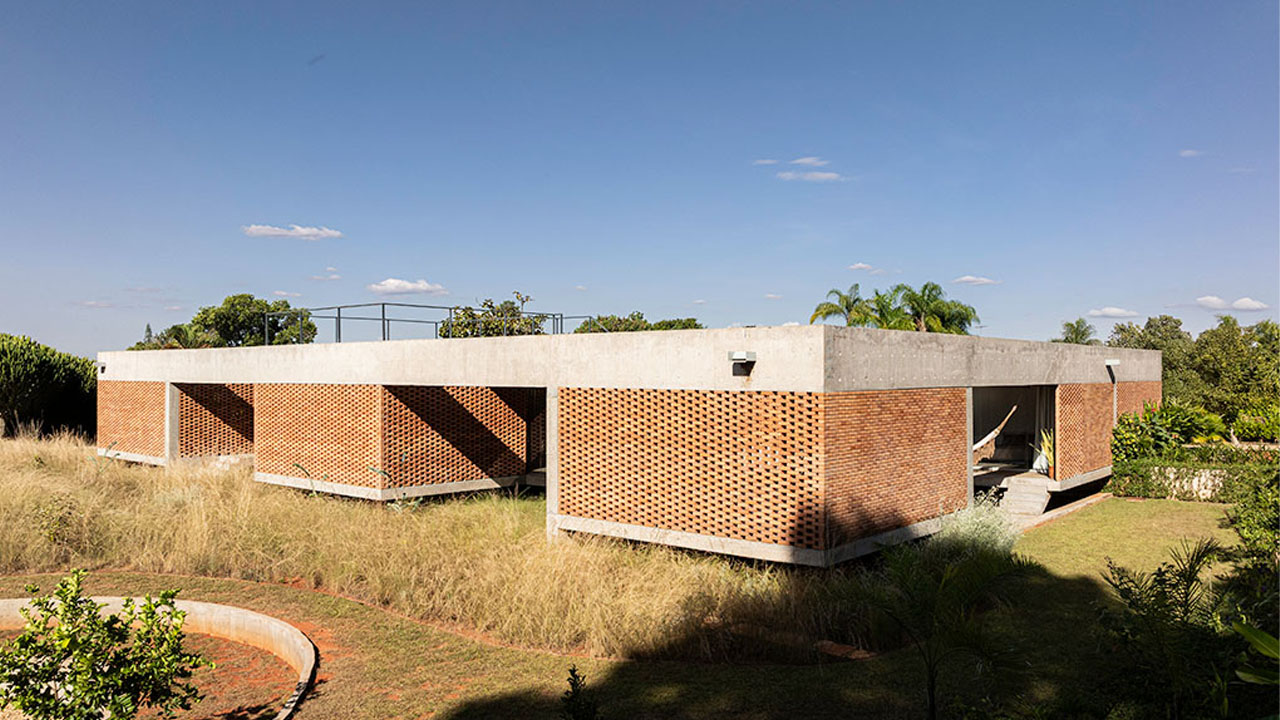
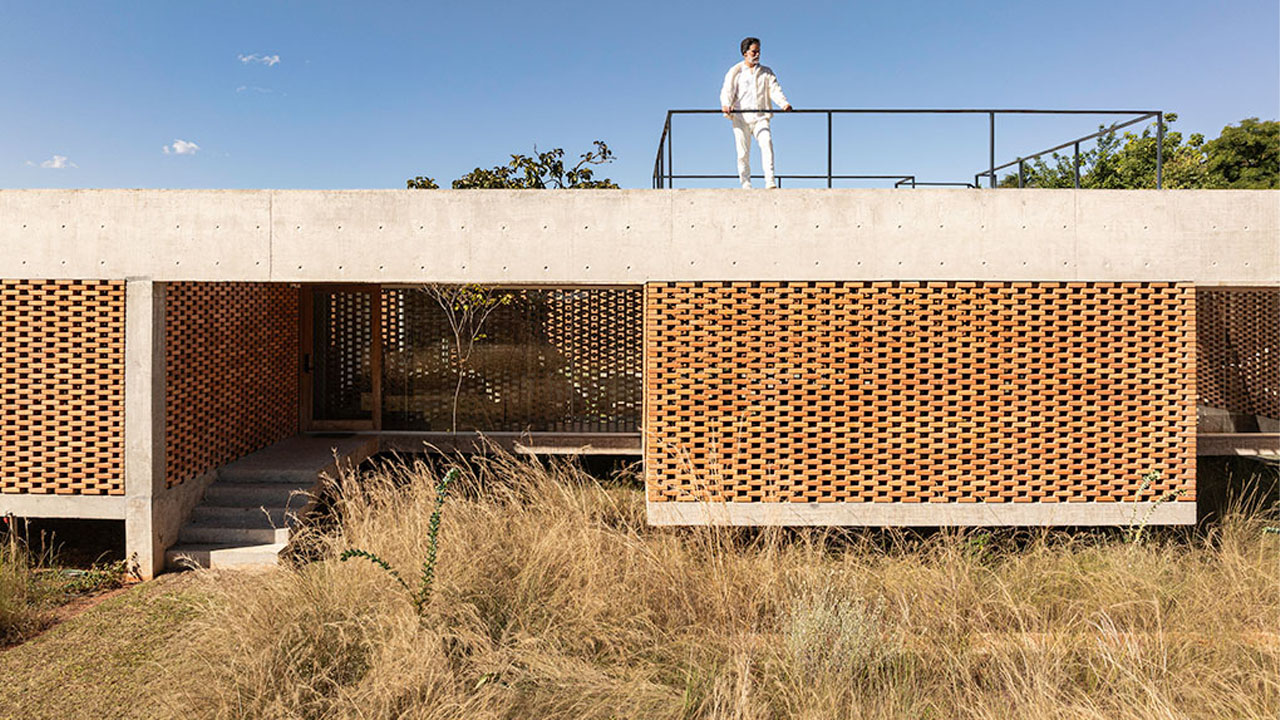
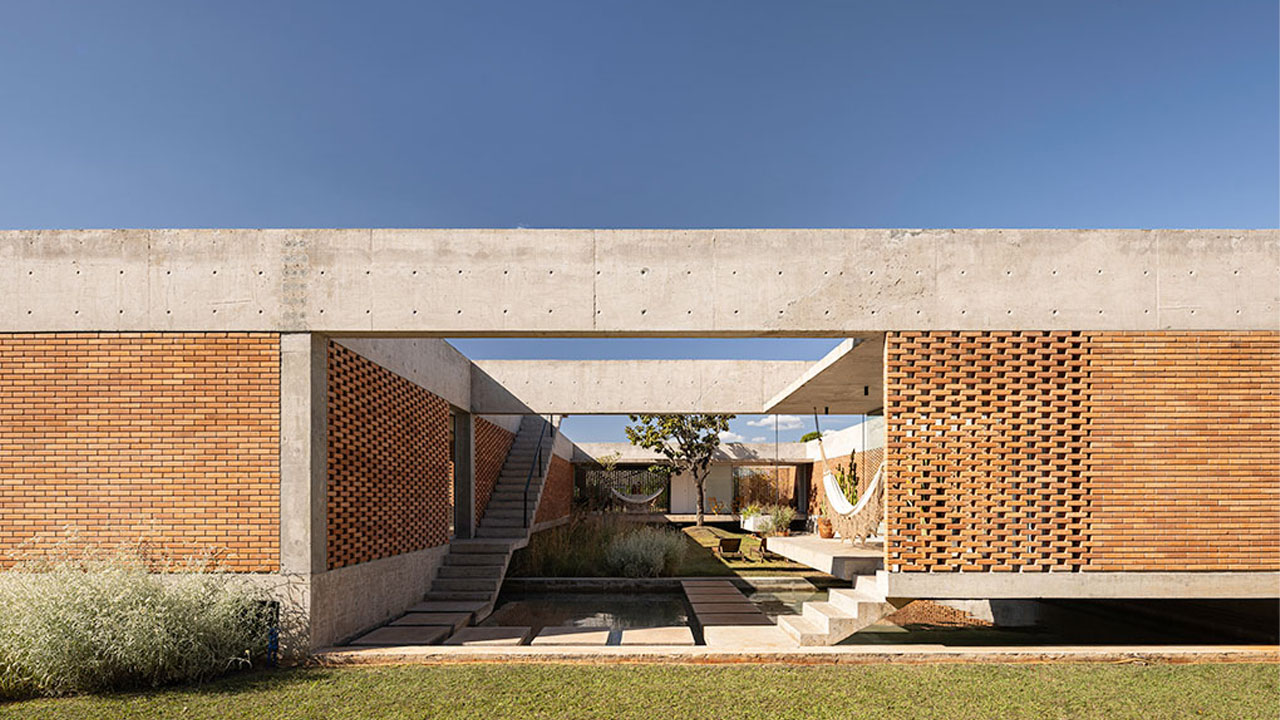
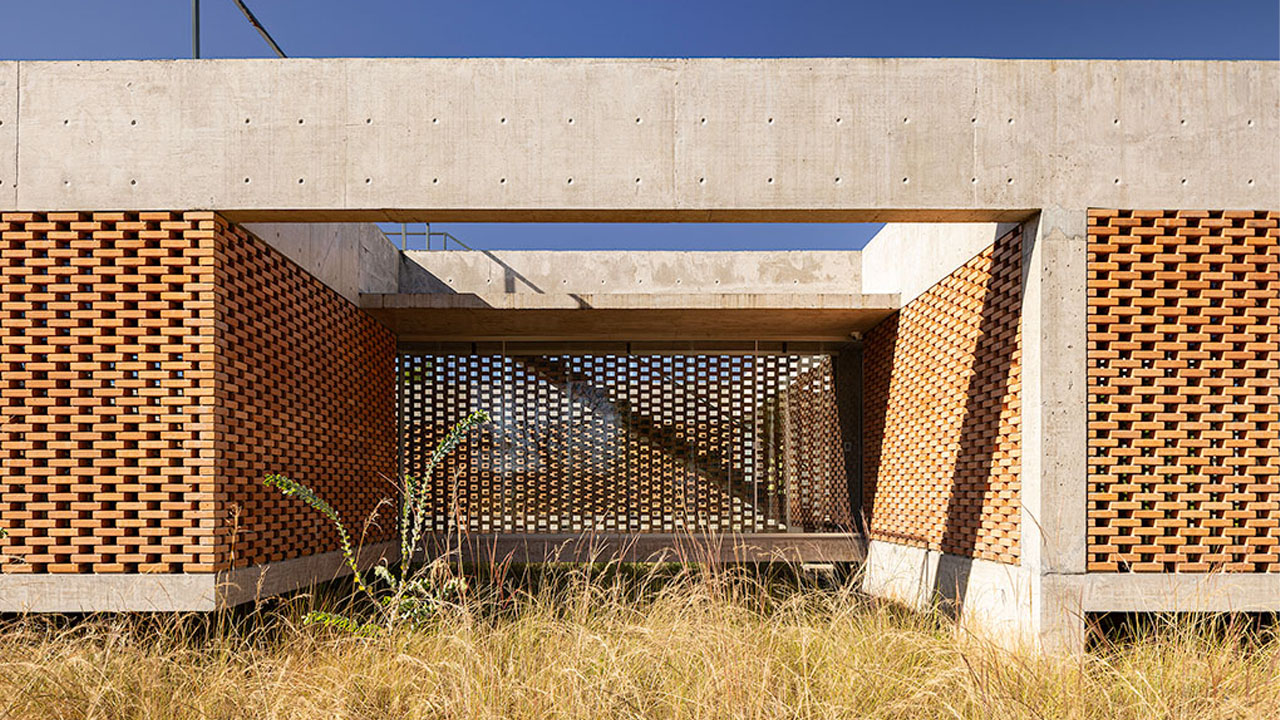
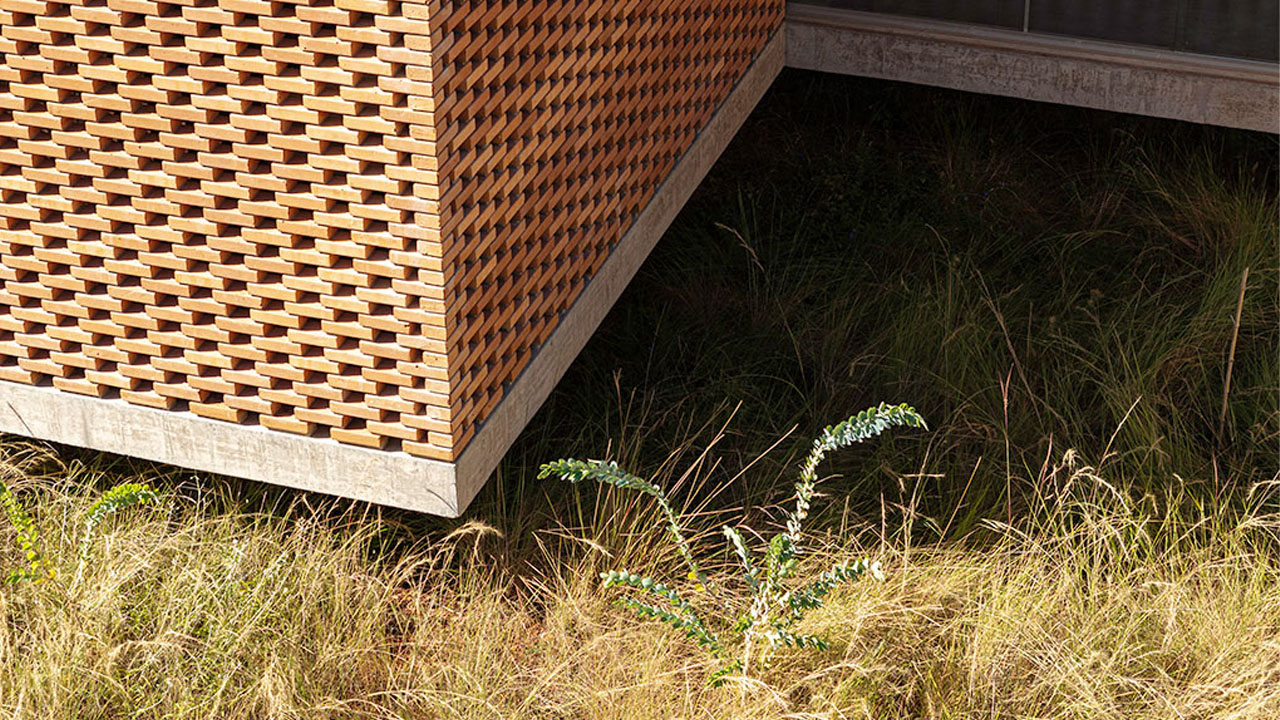
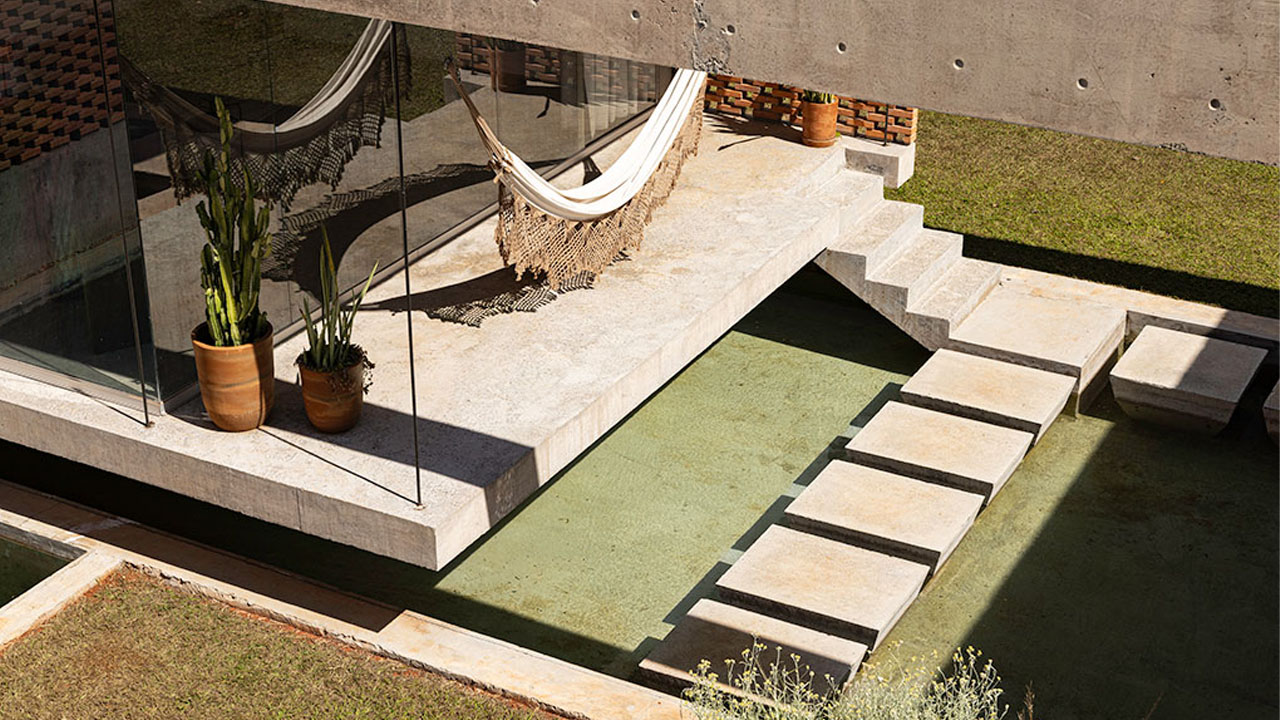
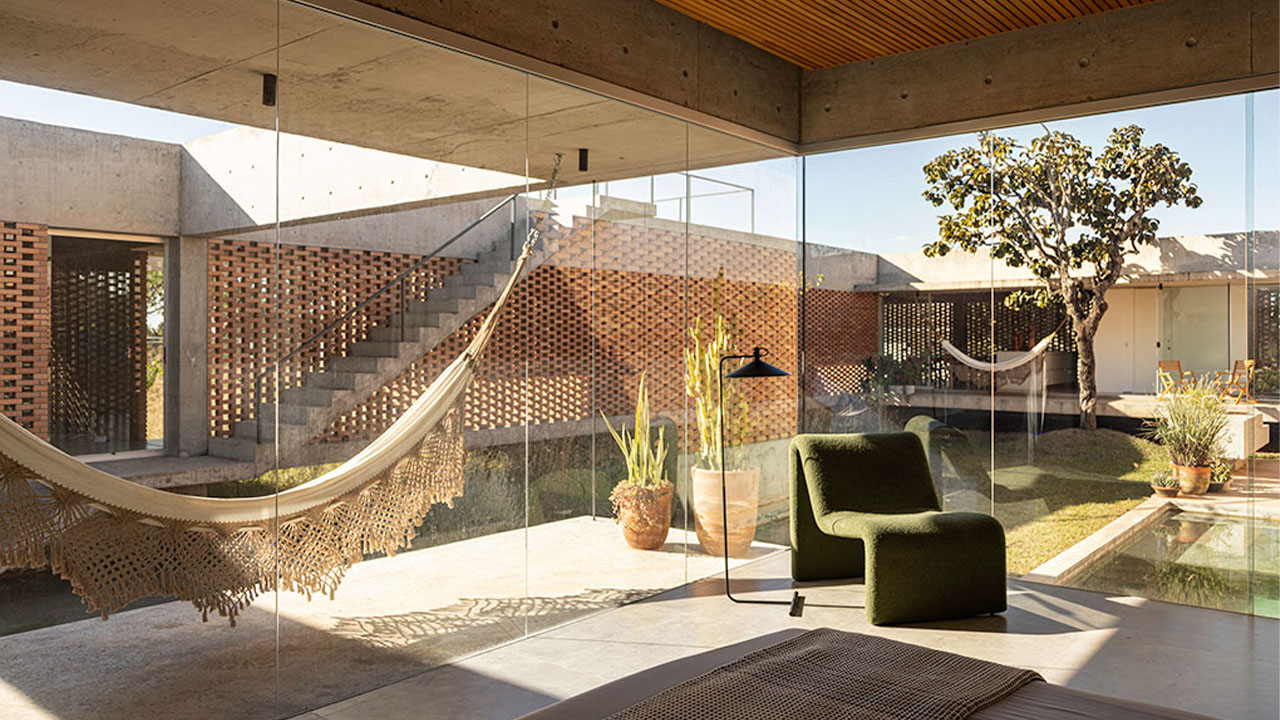
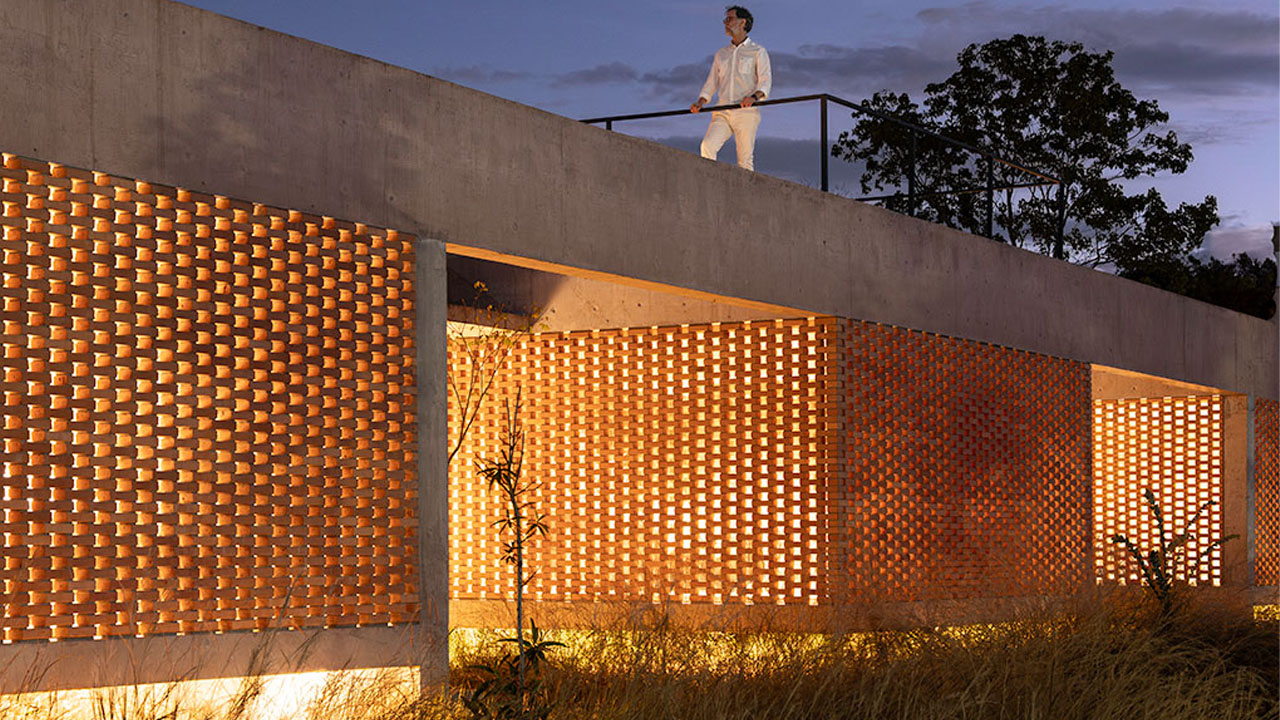
BLOCO Arquitetos created the 4,520-square-foot Tupin house to integrate with the natural landscape. The architects didn’t want to disturb the natural vegetation and nearby trees, so they built semi-elevated concrete slabs and constructed 12 perforated rectangular pillars over them. This raised concrete base helped build an organic relationship with the terrain by allowing native vegetation to thrive beneath and form a natural wildlife corridor for local fauna.
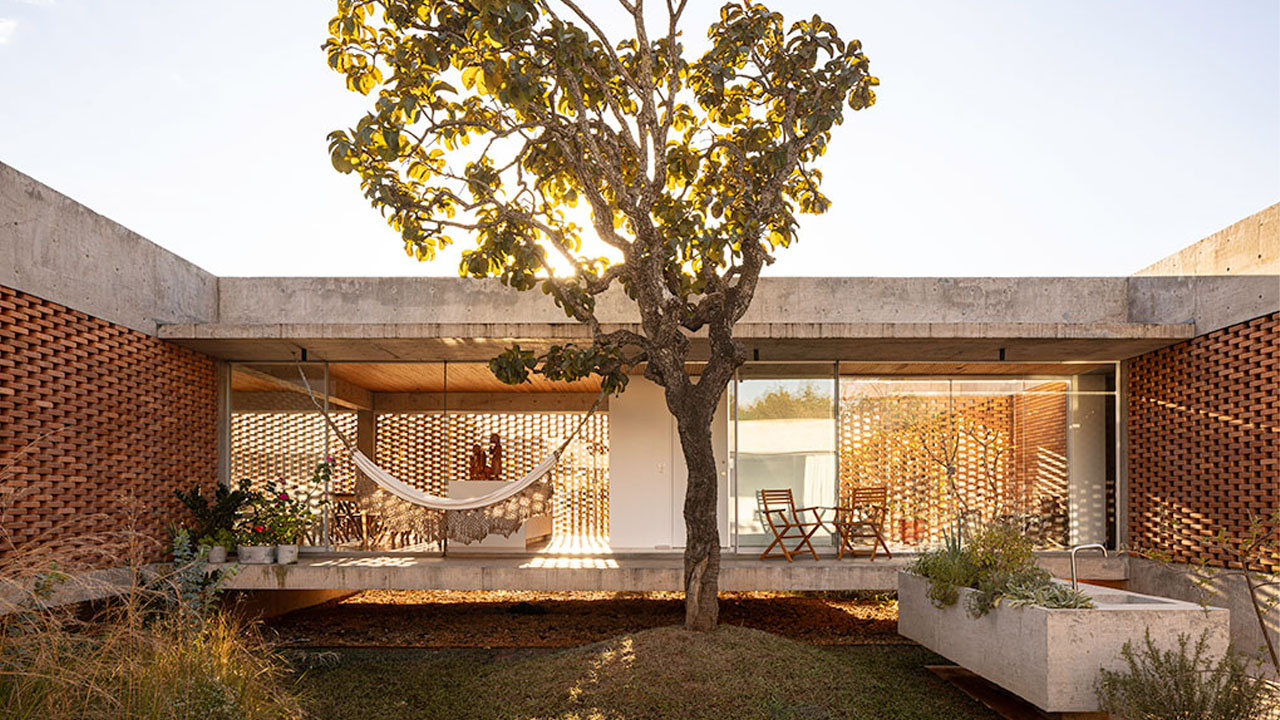
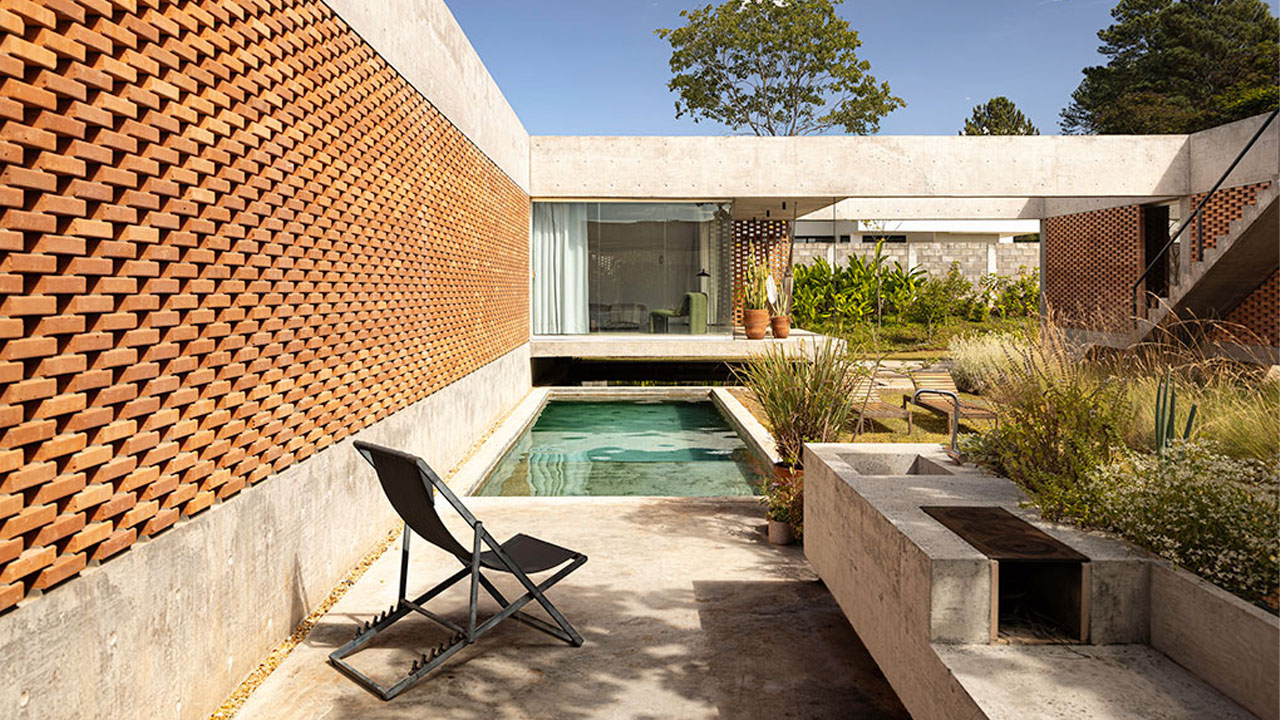
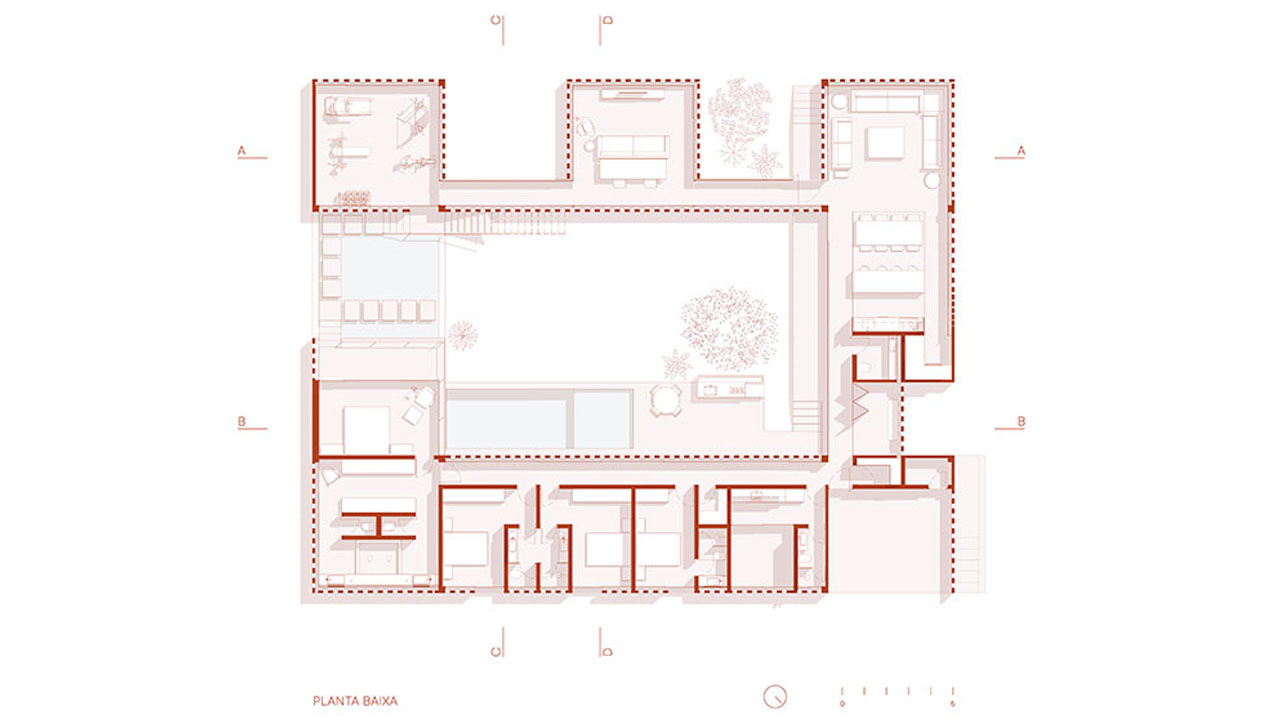
The nature-integrated, passive architecture of the residence provides organic respite from hot, humid, or cold climatic conditions. Since the tropical climate can be very hot and humid, the company devised a brilliant architectural strategy to organize these perforated brick pillars around a central courtyard.
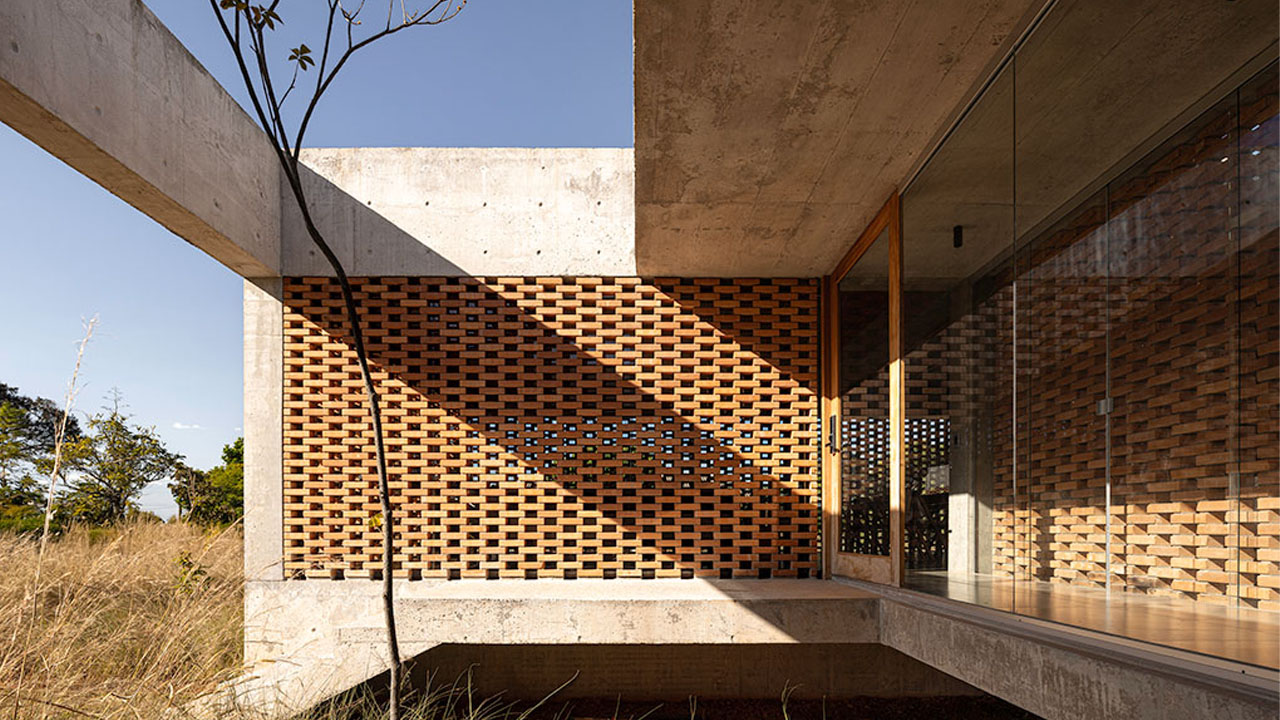
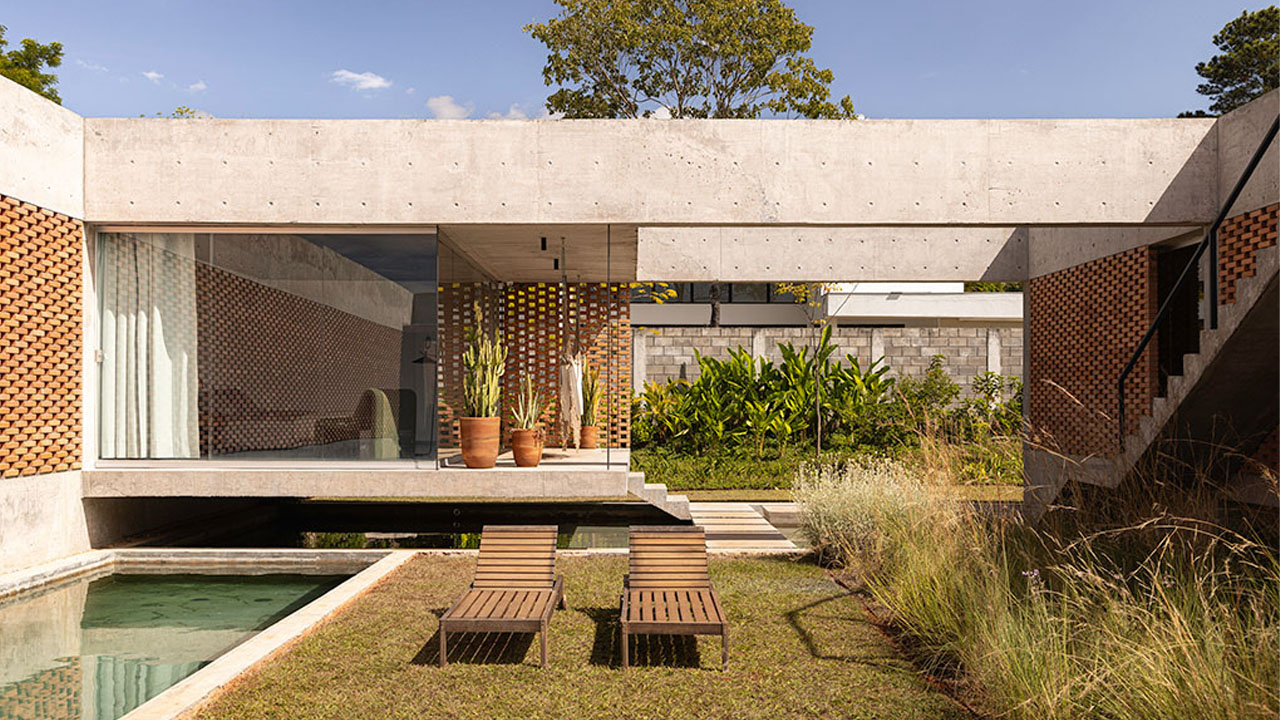
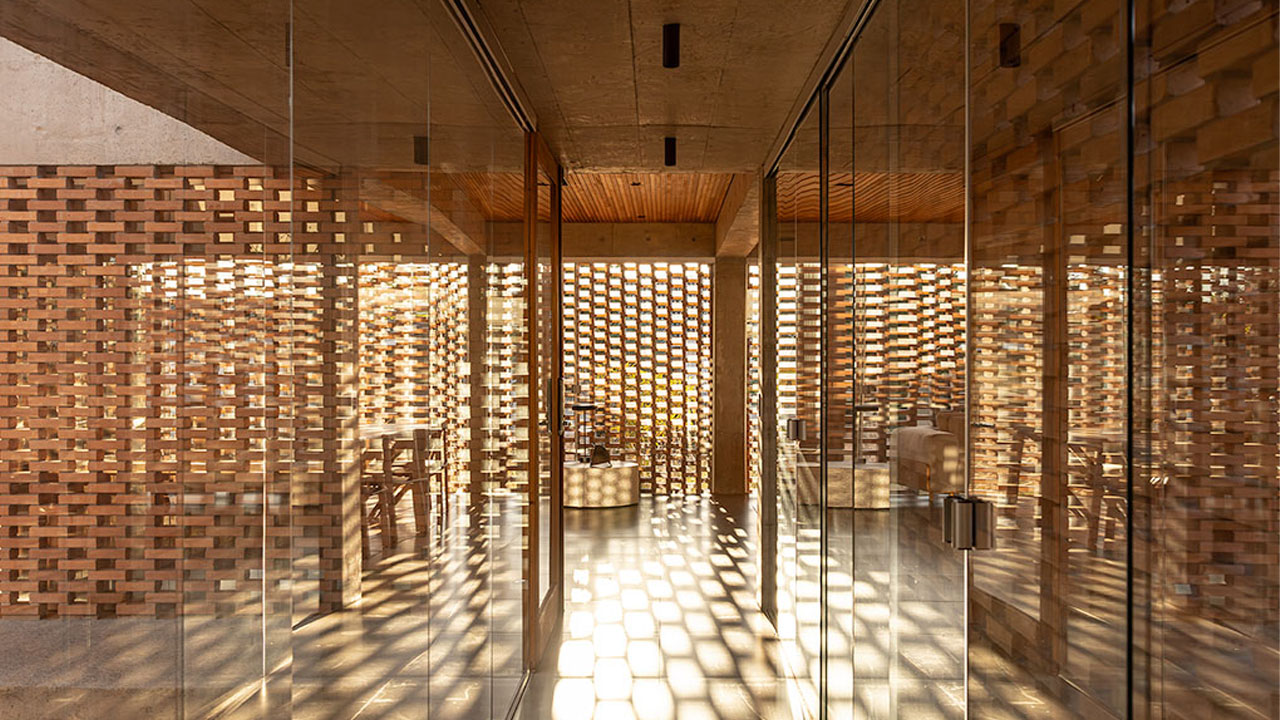
They intentionally avoided large glazed windows as they trap solar heat within the building. Instead, they used porous brick screens to maintain natural cross-ventilation and installed overhanging concrete roof slabs to shield the house from tropical downpour.
This architectural strategy resulted in a self-ventilating envelope that blocks harsh sunlight and maintains natural air circulation in every inch of space. This air circulation prevents moisture from settling in one place, eliminating mold formation. Tupin’s windowless brick screen absorbs intense heat to keep the interior cool during the day and slowly releases warmth when the temperature drops at night.
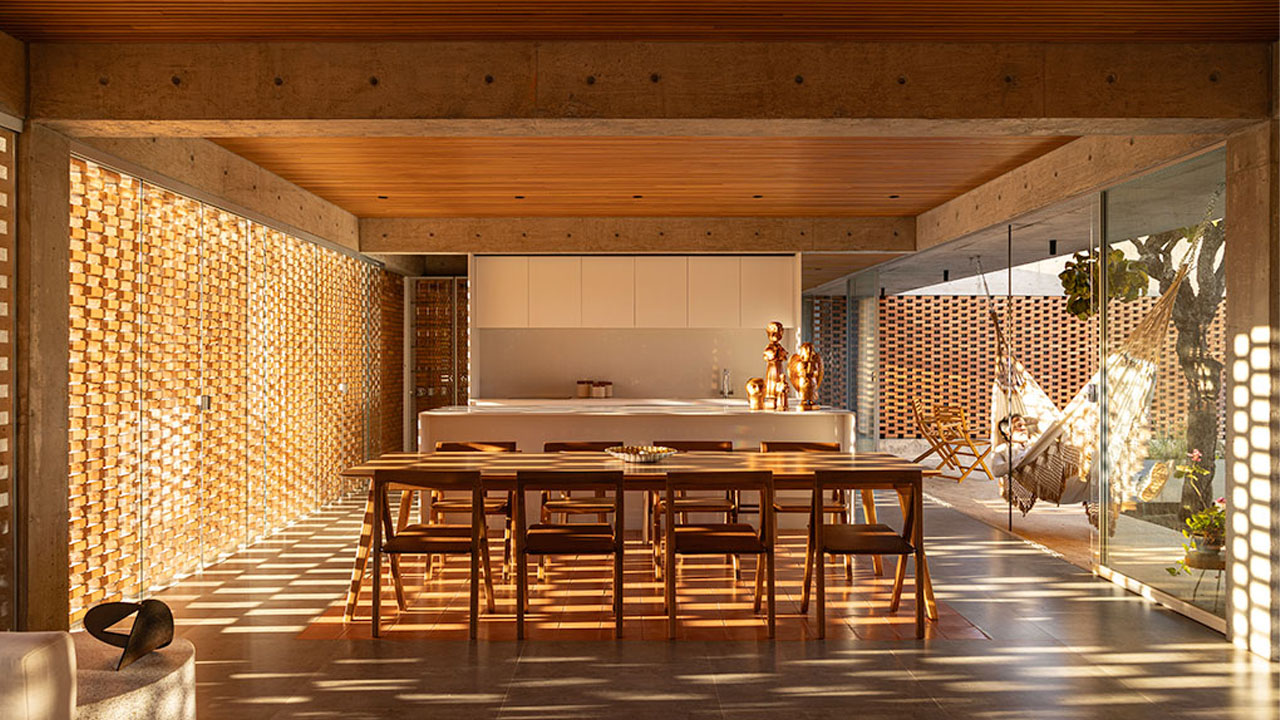
The central courtyard lies at the heart of the porous house, acting as a connective zone. It connects social and private areas, forming an outdoor hub where you can enjoy barbecuing and lounge comfortably in the garden. You can also take a refreshing dip in the pool to beat the summer heat.
Also Read: Villa Modda Transforms Ancient Rural Ruin Into Passive Home
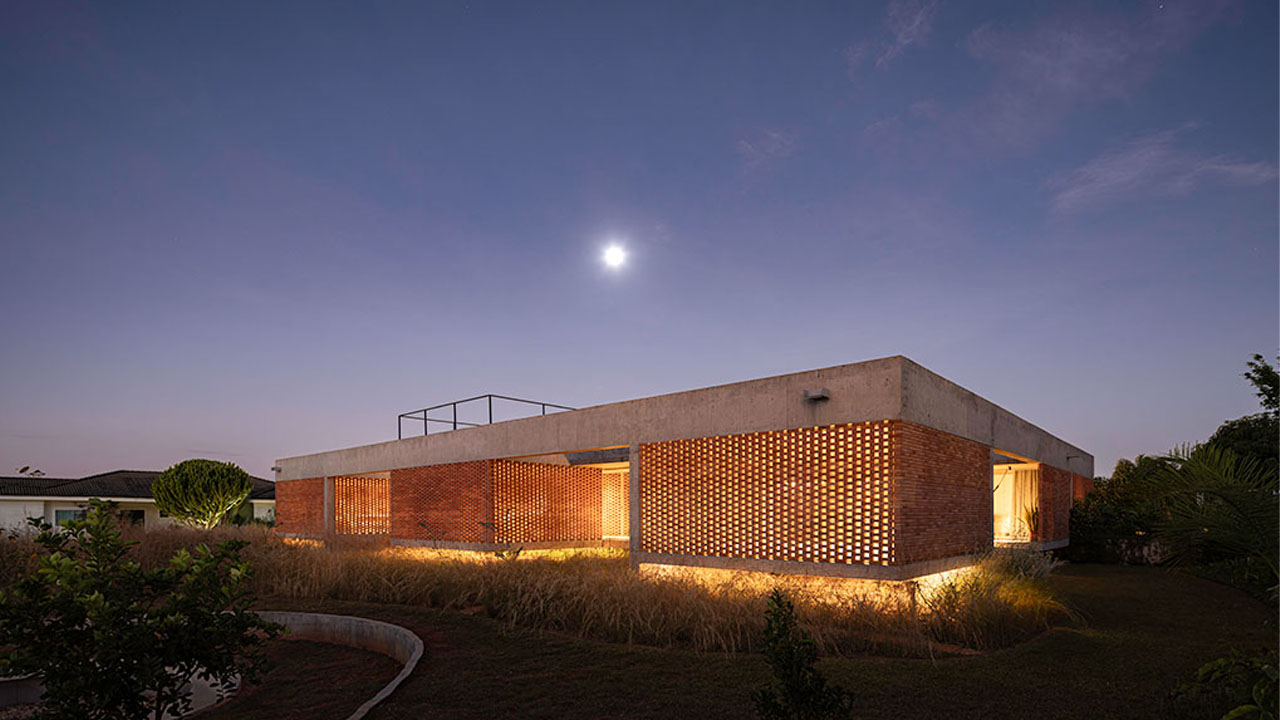
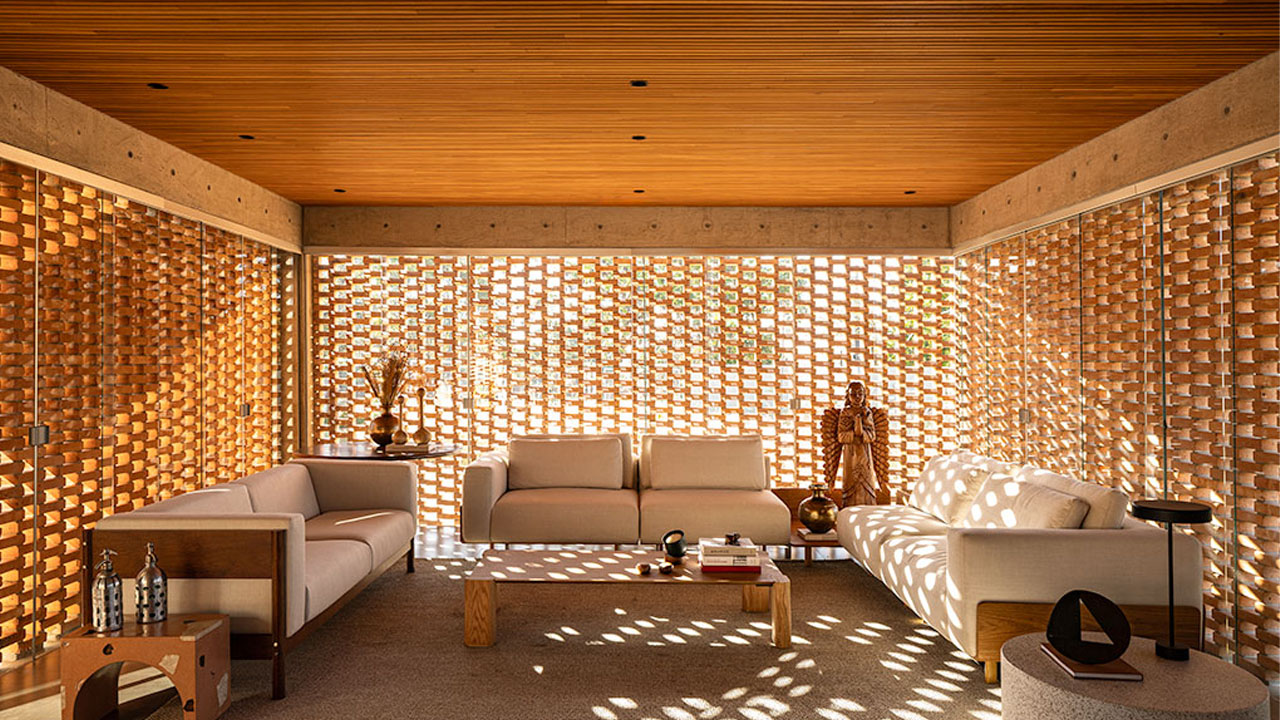
When it comes to interior, the different zones like bedrooms, the living room, and the bathroom are carefully arranged within the expansive footprint. The open-floor layout maintains fluid movement and doesn’t obstruct the natural air circulation. The porous bricks cast a decorative latticework shadow inside the house and filter the scorching sunlight to brighten up the living space.
The Tupin House maintains a constant dialogue with the natural environment by integrating the Cerrado landscape within the architecture itself. Despite its windowless façade, the perforated brick structure fills the interior with daylight and circulates fresh air to regulate indoor temperature. The perforated house showcases its material honesty while incorporating several biophilic elements into its passive architecture.
Via: Dezeen
Follow Homecrux on Google News!