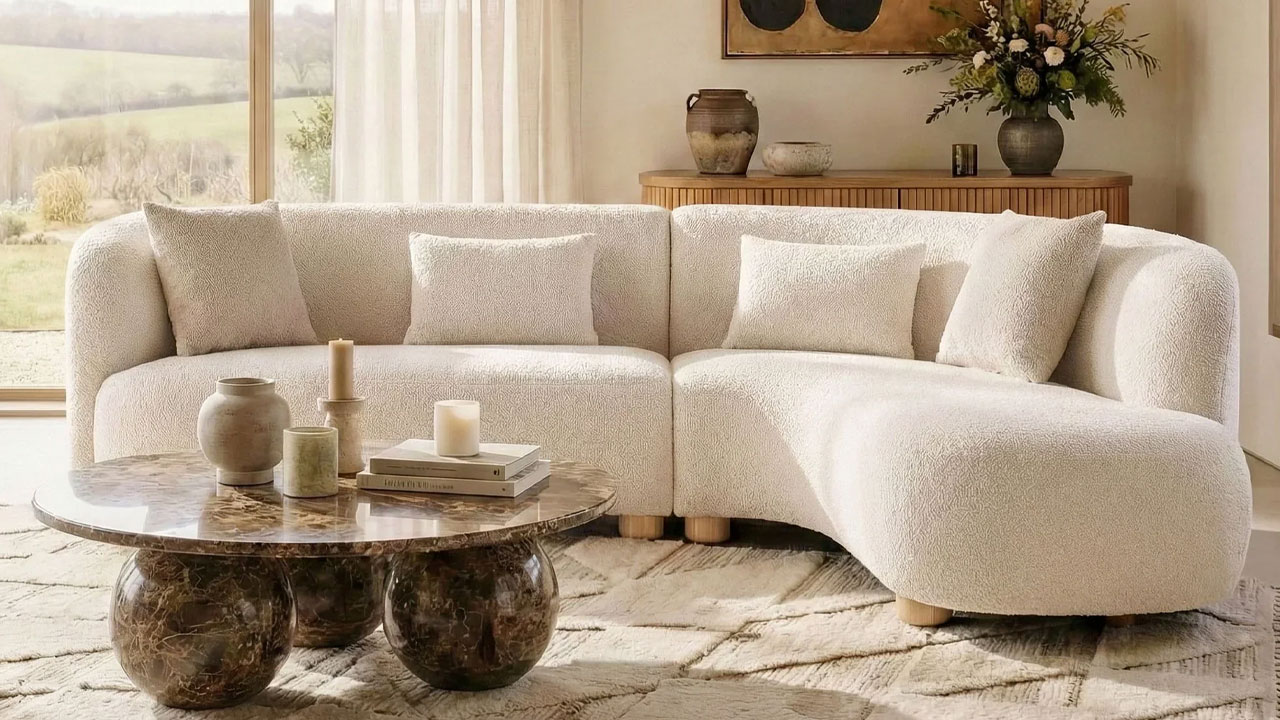
There is a quiet shift happening in the interior design world right now. The talk of the town has moved beyond just aesthetics, transforming homes into functional sanctuaries focused on wellness and lived experience. This shift reflects a broader acceptance of intentional living, durability, and comfort. Aligning with this rising trend, contemporary furniture has taken a more central role.
It has evolved from somewhat of a decorative piece to a central architectural and emotional anchor of the home. People want furniture pieces that do more than provide function. They help determine rhythm, proportion, and permanence, shaping not just how a space works, but how it is experienced day after day.
Contemporary Furniture as Luxury Design Language
In modern luxury spaces, contemporary furniture is like an architectural alphabet that defines the room’s character. In simple terms, it translates space into a reflection of your lifestyle and personality. For example, a chair placed by a window says “I value quiet mornings,” and a large dining table says “I love hosting friends.”
Furniture acts as a tool for comfort and mental peace, turning a house into a restorative sanctuary. Furniture uses form and silhouette to catch the eye. Without intentional furniture, the house is just a box with some things in it; they work, but they don’t bring you any joy whatsoever. But with intentional furnishings, your space becomes functional.
Quality Craftsmanship and Material-Led Design
Material now plays a more defining role in presenting luxury. In quieter interiors, materials are not selected for contrast alone, but for how they absorb light, soften edges, and relate to one another within the room.
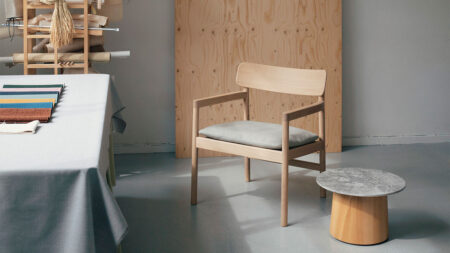
Many designers combine timber, stone, woven textiles, and restrained upholstery palettes to create interiors that feel cohesive rather than crowded. This approach aligns with the continued rise of warm modern design, where richness comes less from overt display and more from depth, restraint, and clarity.
At the same time, there is a quiet shift happening at the production level as well. Many brands are now going beyond industry standards for material choices to make furniture repairable and more durable, turning them into an heirloom object.
A thoughtful material decision defines contemporary interiors. Here, luxury is defined less by visual drama than by integration. A timber grain, a stone surface, or a woven fabric becomes significant not because it demands attention, but because it helps the room feel complete.
In modern luxury, quality craftsmanship means a piece is built to be restored rather than replaced, shifting furniture from a temporary purchase to a long-term asset.
Thoughtful Furniture Defines Your Living Room
Most of us would agree that the living room is the ideological heart of the home. This is the space where furniture begins to take on an architectural role, defining the space rather than merely occupying it.
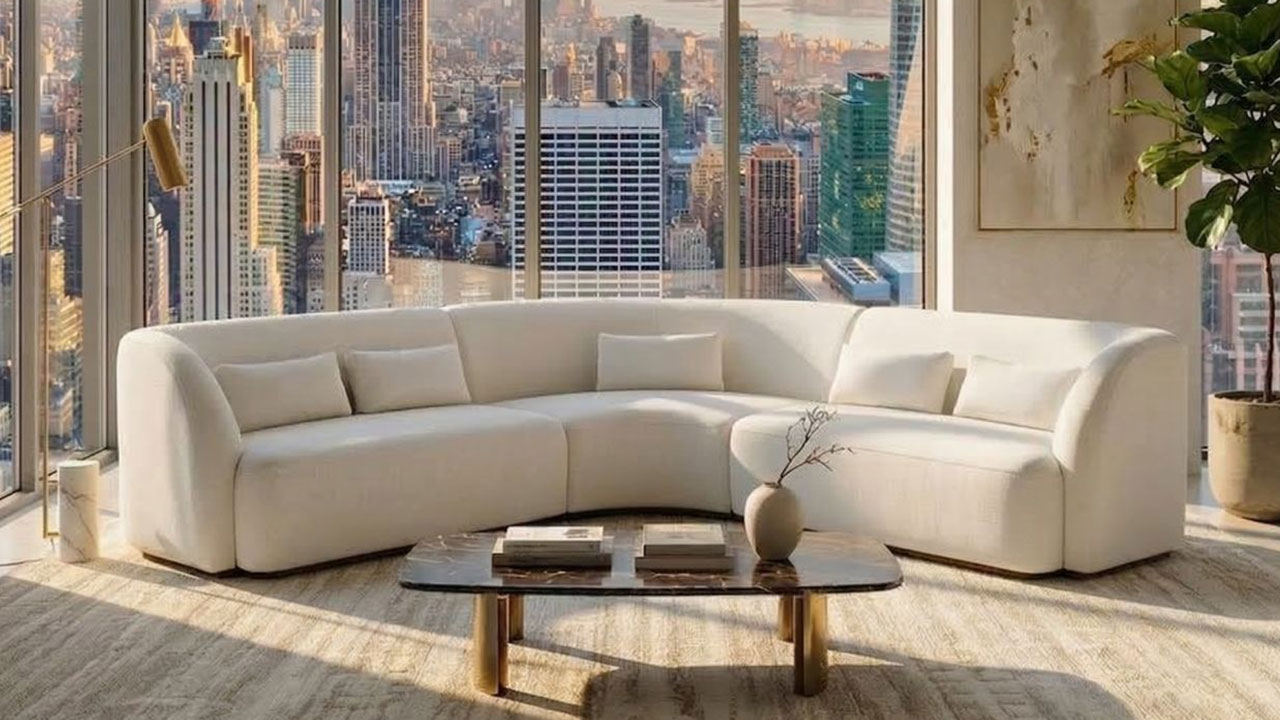
A sofa often establishes the visual gravity of the room. It sets boundaries, guides movement, and influences how the space is understood as a whole. People are drawn more to pieces with sculptural silhouettes, while still retaining softness and ease.
This move has brought greater attention to textural seating. Bouclé, linen, and layered fabrics are often used to add depth without disrupting the overall calm. Their tactile quality becomes part of the visual language.
Also Read: Heirloom Furniture Dying in Honor of Fast Furniture
Dining Spaces as Social Anchors, Defined by Furniture
Beyond the living room, the dining area remains another important component of modern luxury living. It is often where structure and daily ritual meet most directly. Dining spaces have evolved from single-use rooms into multifunctional social hubs that anchor the home’s narrative. Now, furniture is not just there to provide you a seat when you eat, but it serves as a strategic tool to define the atmosphere, flow, and emotional tone of the home.
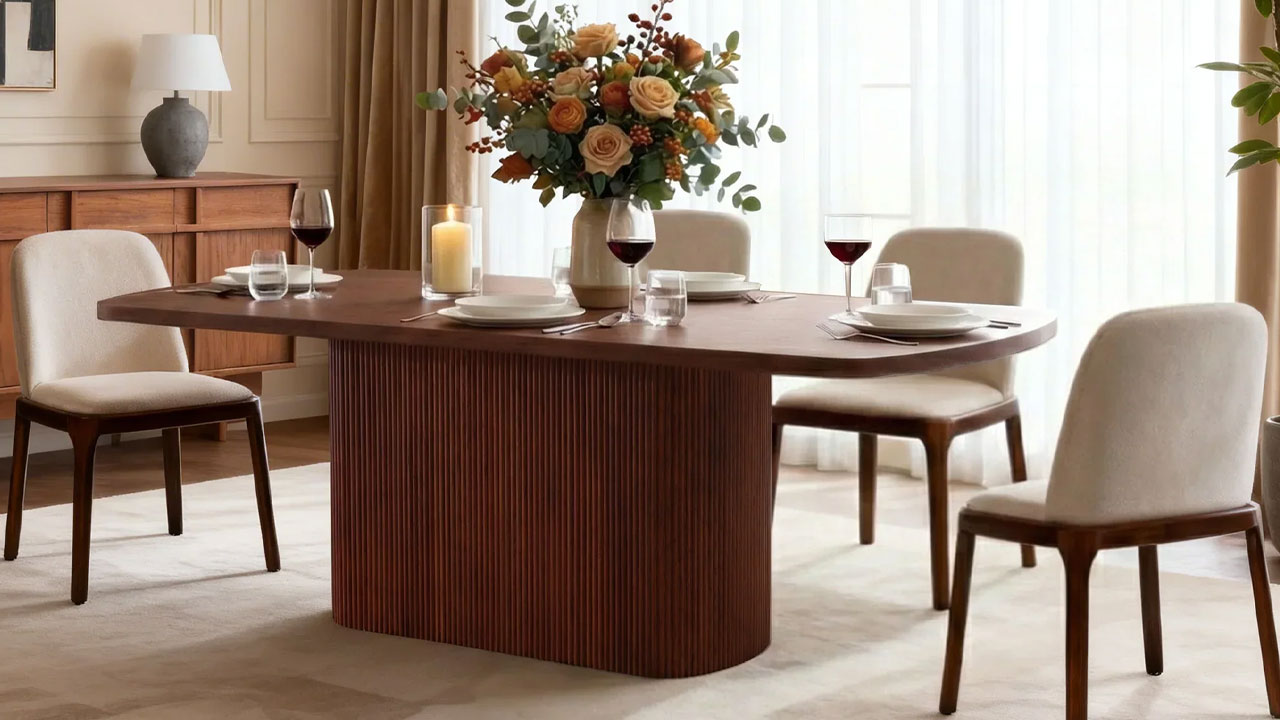
A dining table can act as an architectural centerpiece, organizing the room while supporting interaction. Chairs reinforce continuity across the home through silhouette, scale, and material expression.
Sideboards and console elements bring an added layer of structure, grounding the composition without competing for attention. Furniture also acts as architectural dividers, separating the dining area from the living room while providing smart, hidden storage.
In these environments, cohesion matters more than display. The dining space works best when each element feels necessary, properly weighted, and connected to the larger interior. Rather than reading as a separate zone, it becomes a part of the home.
More Subtle Interpretation of Luxury Furniture
As more people move toward minimalist interiors, the definition of luxury is continuously evolving. Traditional luxury was about looking expensive with gold accents, velvet upholstery, and ornate carvings, but modern luxury furniture is about feeling expensive through tactile depth.
This perspective aligns with a quieter, calmer interpretation of luxury. Balance, proportion, and materiality now tend to carry more weight than visual intensity. The value of a space is increasingly judged by its ability to feel complete without appearing overworked.
At the same time, longevity, sustainability, and lived experience are factors deciding the overall value of a luxury furniture piece. Sculptural furniture is also popular with its bold forms to create visual drama.
Contemporary Furniture as Unified System, Not a Statement
Furniture is now being used as part of a bigger system that shapes how a space works, flows, and feels. The best interiors are not built around single pieces, but around how everything works together.
All the furniture pieces, including sofas, chairs, tables, and storage pieces, should interact within a unified interior framework, rather than being disconnected objects. That matters because it changes how a room comes together in continuation of movement and design. Spaces feel less assembled and more resolved, with each piece supporting a visual and functional role.
Comfort as Design Standard
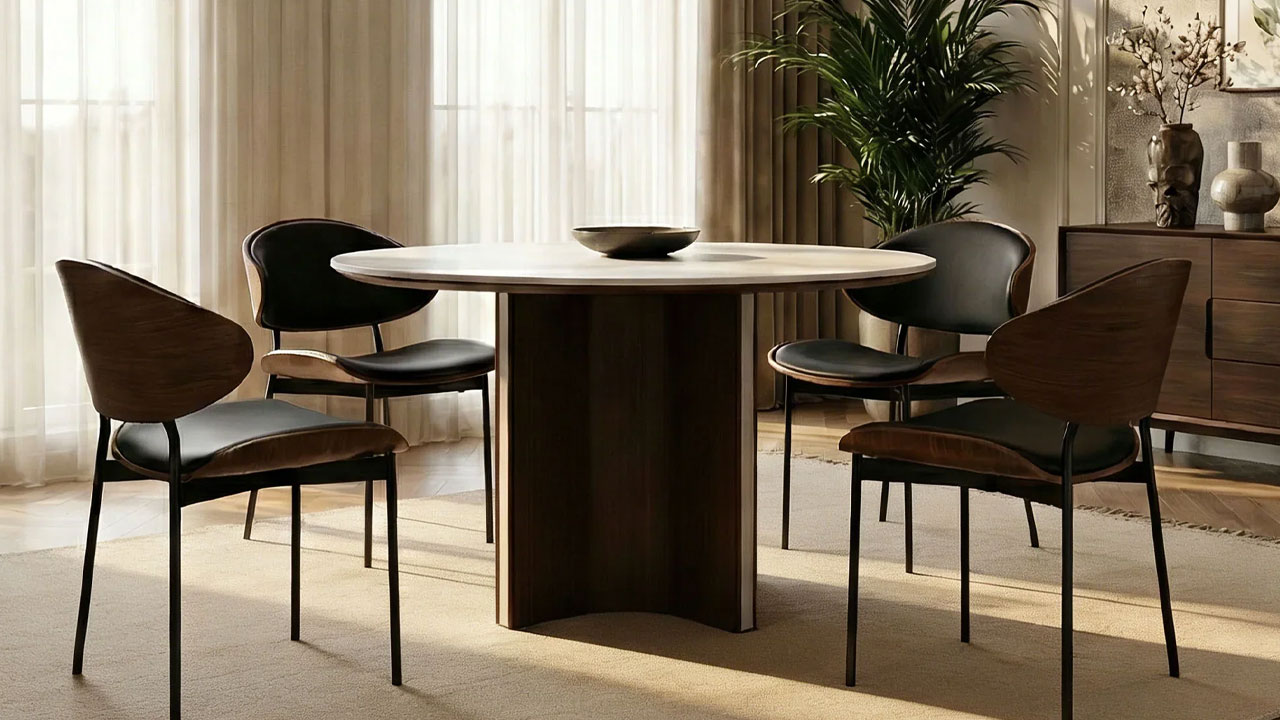
In luxury spaces, comfort is no longer an optional or secondary feature; it is a primary metric of quality. People prefer furniture that intuitively supports the body for proper relaxation without any adjustments. High-quality natural textures like thick, breathable wood veneers, soft-touch leathers, and rich linens are prioritized in modern furniture to promote a haptic experience as real luxury.
Final Words
The most compelling interiors tend to rely on a balance of form and function, material and atmosphere, presence and restraint, especially when it comes to furniture. What makes them persuasive is not abundance, but the sense that everything belongs.
Seen in that light, the rise of quiet interiors is less a passing aesthetic preference than a broader recalibration in how luxury is understood. A room no longer needs to announce itself loudly to feel complete. More often, it is the spaces with the strongest internal logic, the clearest material judgment, and the greatest sense of control that leave the deepest impression.
Follow Homecrux on Google News!