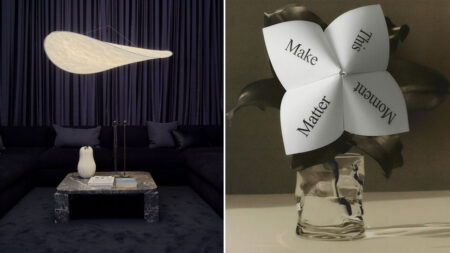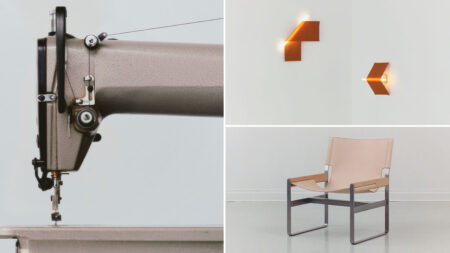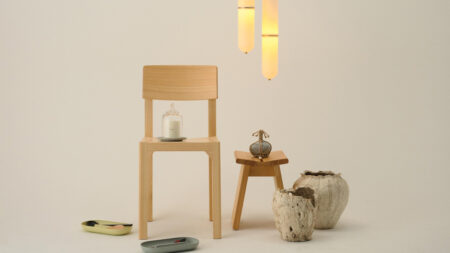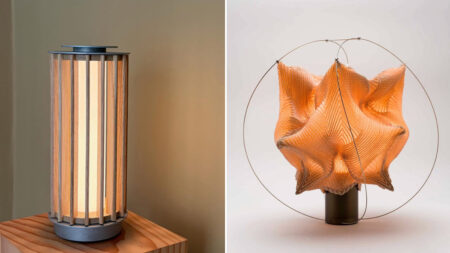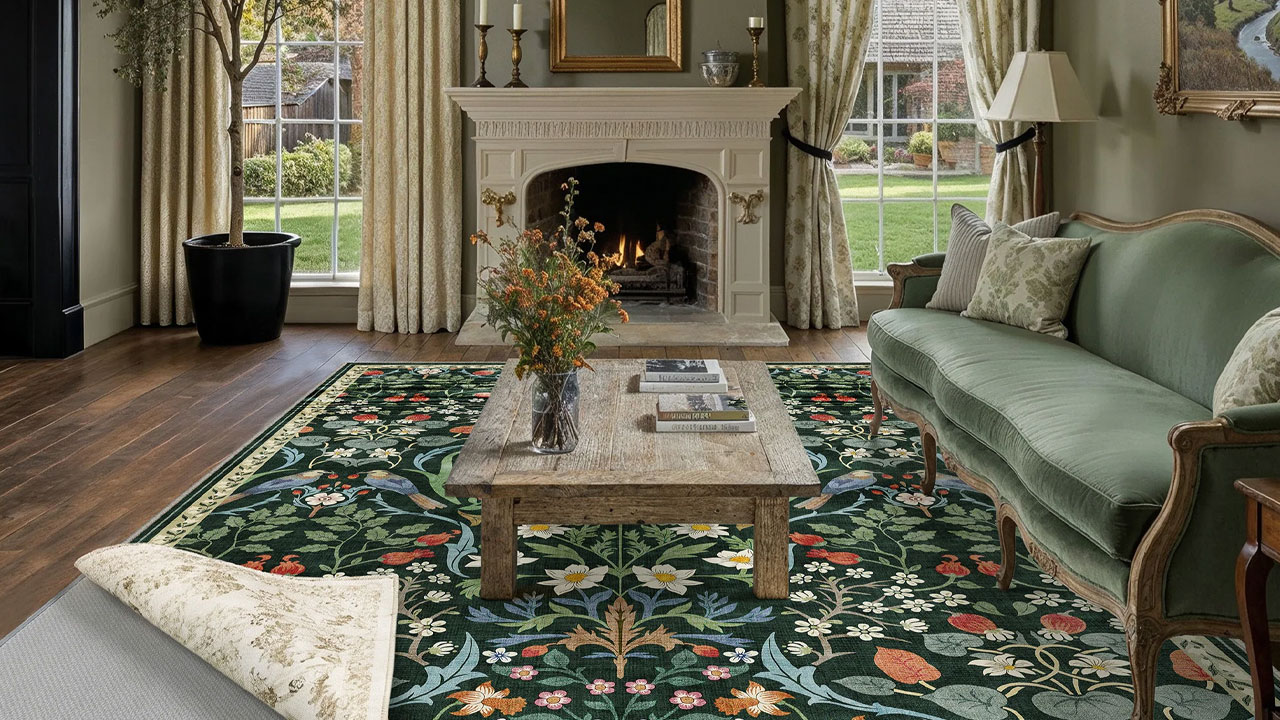
Home design has followed a simple assumption for decades. We first built spaces for ourselves, and then pets simply adapt to them. That perception is no longer in use, as there has been a lot of change in how most families live today. Dogs now sleep beside beds while cats claim their favorite spots in living rooms. These everyday routines have become part of the rituals of home life itself, which was trending at the recently concluded 3daysofdesign.
As a result, a new design philosophy is emerging that recognizes homes as shared environments. Homeowners are now choosing everything from furniture to home layouts to accommodate their pets more comfortably. In response, designers are responding by designing for both species from the start.
This eventually is giving rise to a growing movement often described as human-pet living, where furniture, décor, and technology are created to support both human lifestyles and animal behavior. Here are four ideas that will help you shape the future of shared living environments.
Human-Pet Living is Now a Design Category of Its Own
It is not long ago that “pet-friendly” meant stain-resistant fabric or an extra dog bed tucked into a corner. Today, the conversation is much broader. As pets become more deeply integrated into daily life, homeowners are increasingly seeking products that support shared living without visually separating pet spaces from human spaces.
This shift is creating an entirely new category within home furnishings. Rather than struggling where a pet product can fit inside a room, designers are now asking how the room itself can better accommodate both people and animals. The goal is no longer simply making homes more tolerant of pets, but it is designing homes where pets naturally belong.
Behavior-Driven Design is Replacing Assumption-Driven Design
One of the most interesting developments within human-pet living is the growing emphasis on behavioral design. For years, many pet products were created based on assumptions about how animals should interact with their environment. In reality, pets often behave very differently from expected.
Some dogs prefer enclosed spaces, while others seek open visibility. Certain breeds quickly learn how to manipulate doors and latches. Cats instinctively gravitate toward elevated resting spots, hidden retreats, and observation points. Understanding these behaviors has become an increasingly important part of product development.
Rather than focusing only on appearance, designers are studying how animals move, rest, explore, and interact within the home. This approach often results in surprisingly simple innovations. This can lead to several improvements including a more secure locking system, better airflow, improved sightlines, easier access and more comfortable resting areas.
The best behavior-driven design rarely draw attention to themselves. Instead, it quietly solve problems that pet owners encounter every day. As human-pet living continues to evolve, behavioral observation may become just as important as aesthetics in the design process.
Also Read: How to Use Area Rugs on Hardwood Floor – 5 Expert Tips
Pet Furniture is Finally Being Designed as Furniture
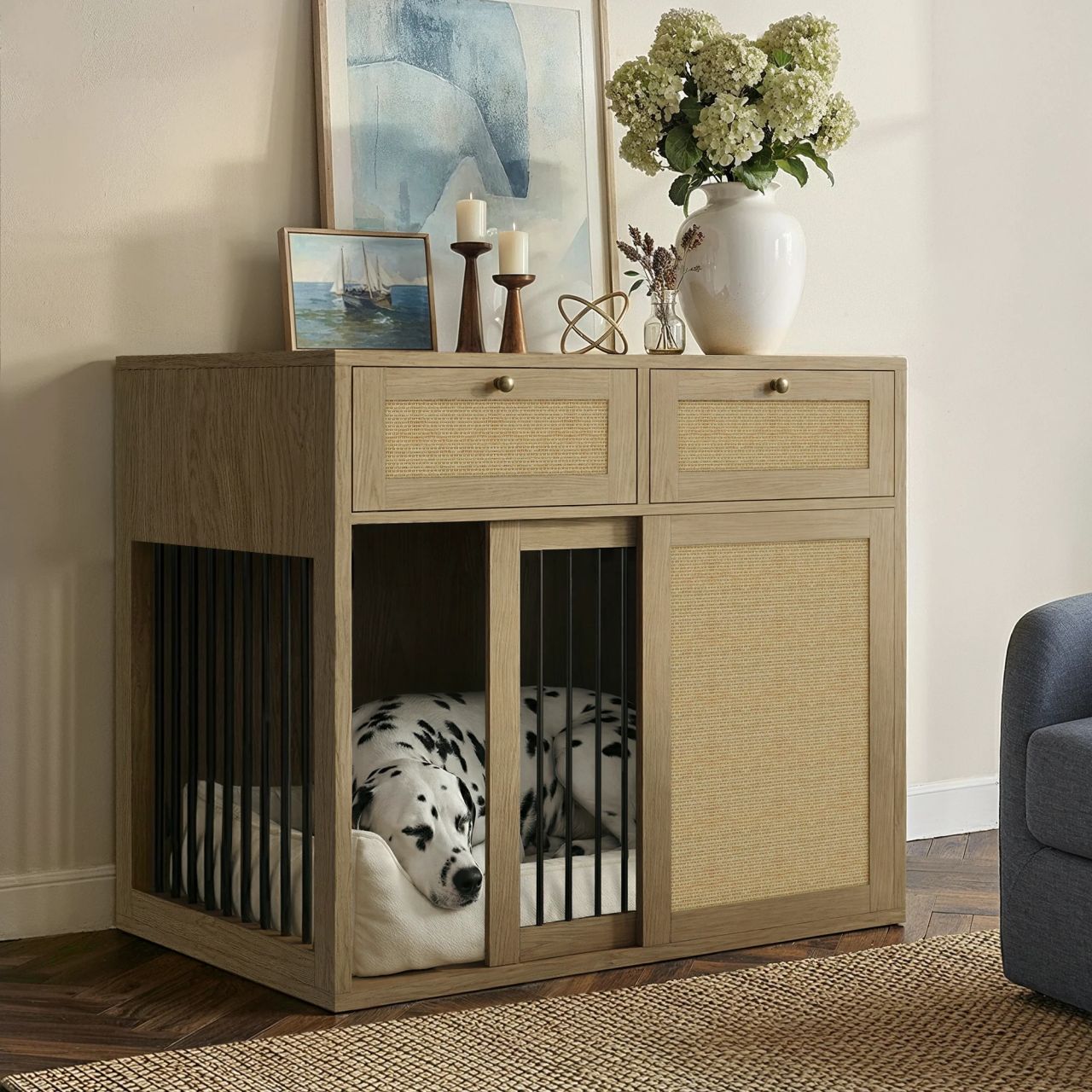
Perhaps nowhere is this shift more visible than in the evolution of the dog crate. Traditional wire crates were designed almost entirely around function. While effective, they often feel disconnected from the surrounding interior, forcing homeowners to choose between practicality and visual cohesion. A new generation of pet-friendly furniture solutions is changing that equation.
Instead of treating dog crates as temporary accessories, designers are transforming them into pieces that actively contribute to a room’s design language. Furniture-style dog cabinets are one example of this movement. By combining enclosed pet spaces with storage functionality and furniture-grade finishes, these designs allow a crate to function as a sideboard, console, or accent cabinet while still providing a secure environment for pets.
The same philosophy is now appearing in products such as cat nesting coffee tables, integrated feeding stations, and multifunctional storage furniture. The objective is not to hide pets but to eliminate the visual boundary between pet products and the rest of the home. When done is a proper way, visitors often notice the furniture before realizing it serves a second purpose.
Technology is Helping Homeowners Design Intelligently
As homes become more personalized, technology is playing a larger role in helping people make design decisions. One common challenge is visualizing how a product will actually fit within a space. Size, proportion, and color relationships can be difficult to judge online, particularly when purchasing larger furnishings or rugs.
As a solution, some home brands are introducing AI-powered room visualization tools that allow homeowners to preview products inside photographs of their own homes. Rather than viewing the products in generic room settings, shoppers can evaluate products within the context of their actual living environment.
This helps homeowners make a more informed and confidence-driven purchasing decision. As AI tools continue to improve, they are likely to become a standard part of the home design journey rather than an optional feature.
Bonus Tip: Adaptable Products are Becoming More Valuable
Flexibility has become one of the defining characteristics of modern living. People expect products to serve multiple purposes, adapt to changing needs, and stay relevant over time. This trend is influencing categories across the home, including rugs.
One example is a reversible rug concept that is designed to add two distinct visual identities and surface experiences. Each side creates a different atmosphere, allowing homeowners to refresh a room without purchasing additional décor. For example, you can use one side of the rug for a bright summer look and simply flip it over for a warmer atmosphere during winter.
While such adaptability may seem like a small innovation, it reflects a significant industry-wide change. Now, products are being designed to evolve alongside the people and pets who use them.
The Future of Home Design is Shared Living
The rise of human-pet living represents more than a passing trend. It reflects a broader change in how people define home. As pets are getting integrated into family life, the products that fill our homes are evolving as well accordingly. Furniture is becoming more multifunctional. Design is becoming more behavior-driven. Technology is making personalization easier than ever.
The future of home design may not be about designing for people or pets separately. It may be about designing for how they live together.
Follow Homecrux on Google News!