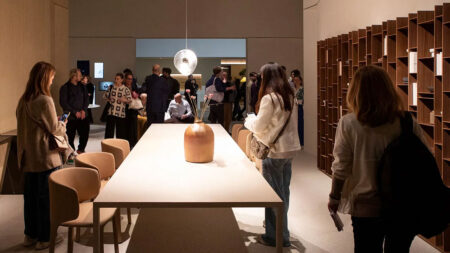
The bathroom is one of the most important spaces in our homes, and its design keeps changing over time. People want bathrooms to look fresh and modern, and this is where events, like Salone Internazionale del Bagno (International Bathroom Exhibition) during Milan Design Week, play a key role. This biennial exhibition brings together hundreds of exhibitors, showcasing the best of bathroom design in the world, setting the tone for the rest of the year. Much like every time, bathroom design is influenced by multiple factors. However, most brands and designers have prioritized wellness in the bathroom instead of aesthetics.
There is a strong focus on transforming the bathroom into a wellness-oriented zone that puts more attention on the human-centered experience. Longevity, bold colors, archival forms, material innovation, and emotional experience are also being incorporated, while sustainability holds its top spot at the forefront of modern design approaches. Technological advancements have always been a top priority driven by rising user demand for water-saving and smart conveniences.
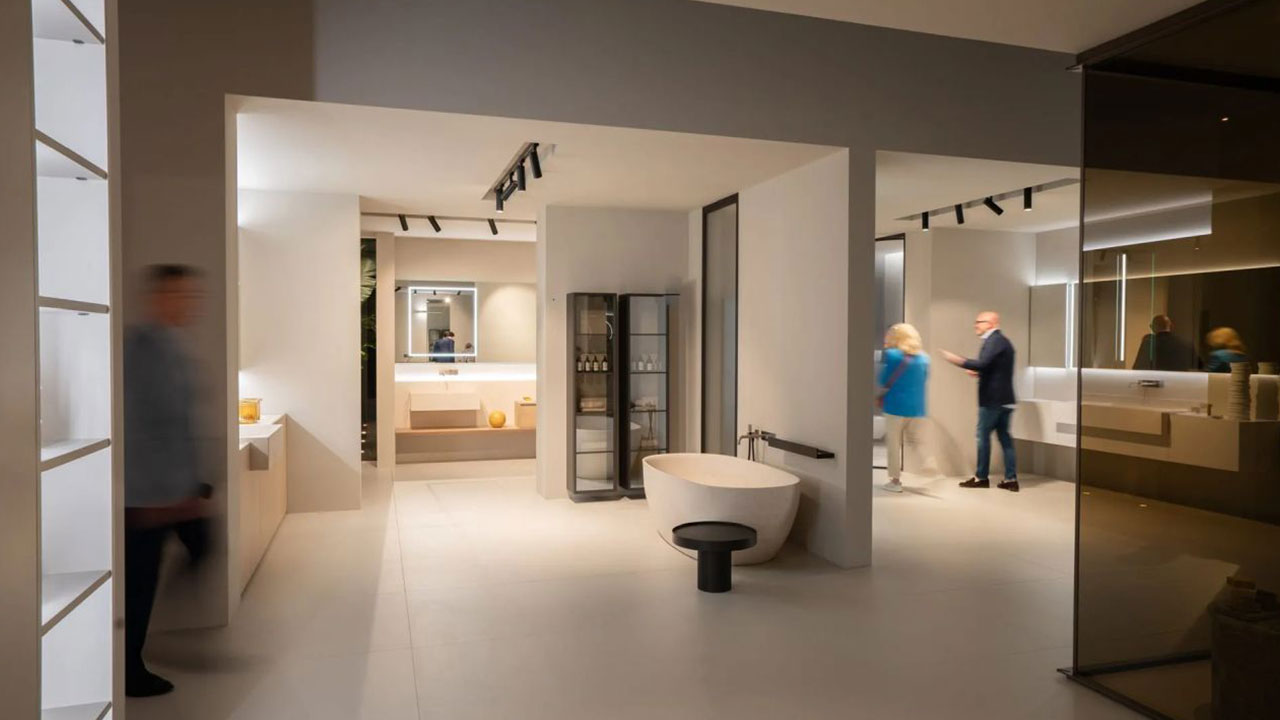
This year, over 200 exhibitors have showcased bathroom furniture, shower cubicles, sanitaryware, radiators, taps, and bathtubs. For your convenience, we have compiled a list of the emerging trends from Milan Design Week 2026 that will help you see the trajectory of bathroom design in the near future:
Personal Well-Being
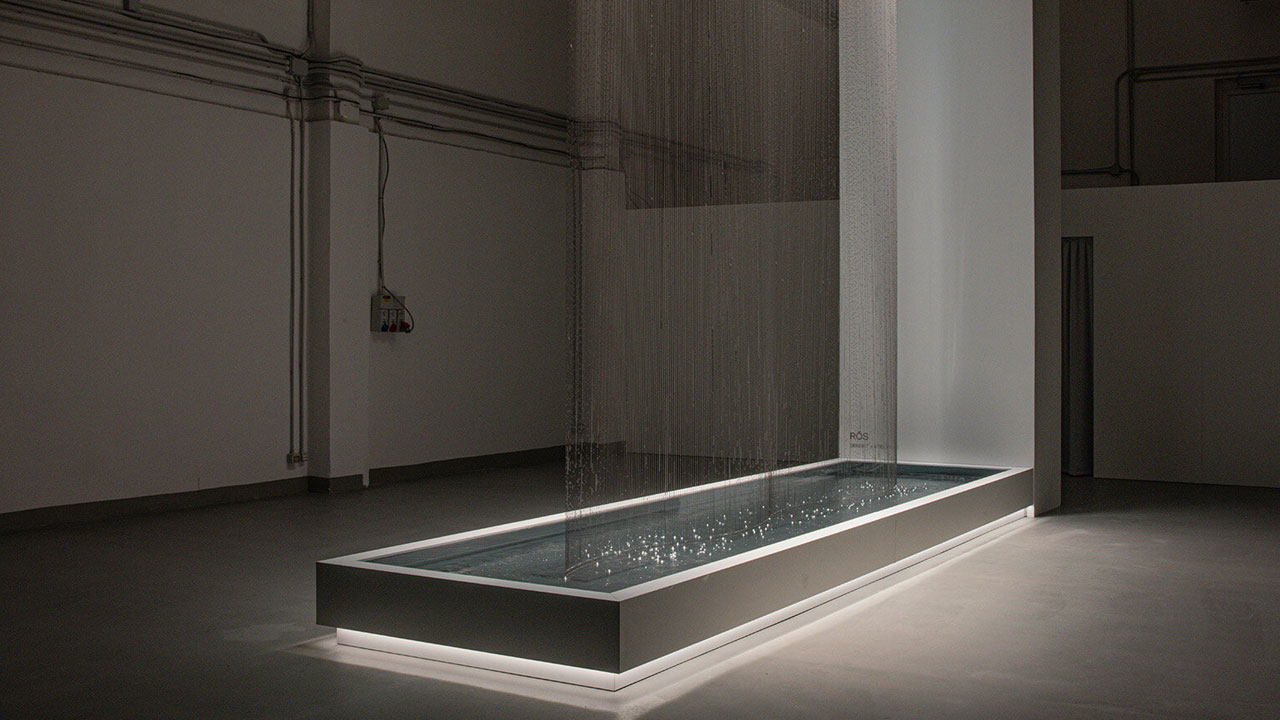
Transforming a bathroom from a functional space into a personal wellness zone is one of the hottest topics nowadays, and the 2026 Milan Design Week confirmed the same. Leading brands presented immersive installations emphasizing “well-being through water,” which has to be primarily achieved through smart shower systems and hydrotherapy products. The main motive is to create an intimate space where you can spend quality time for yourself. Gessi has created a creative overhead steam system that transforms the home into a personal spa space.
The shower design has shifted from frameless to framed ones, where glass enclosures serve as compositional elements capable of organizing space with sliding doors and integrated shelves. The cabins are getting more visual separation through colors. Colored LED lights are also widely used in showers, while some are integrating speakers and scent diffusers for a multi-sensorial experience.
Technological Innovations
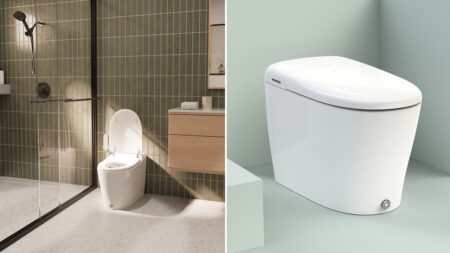
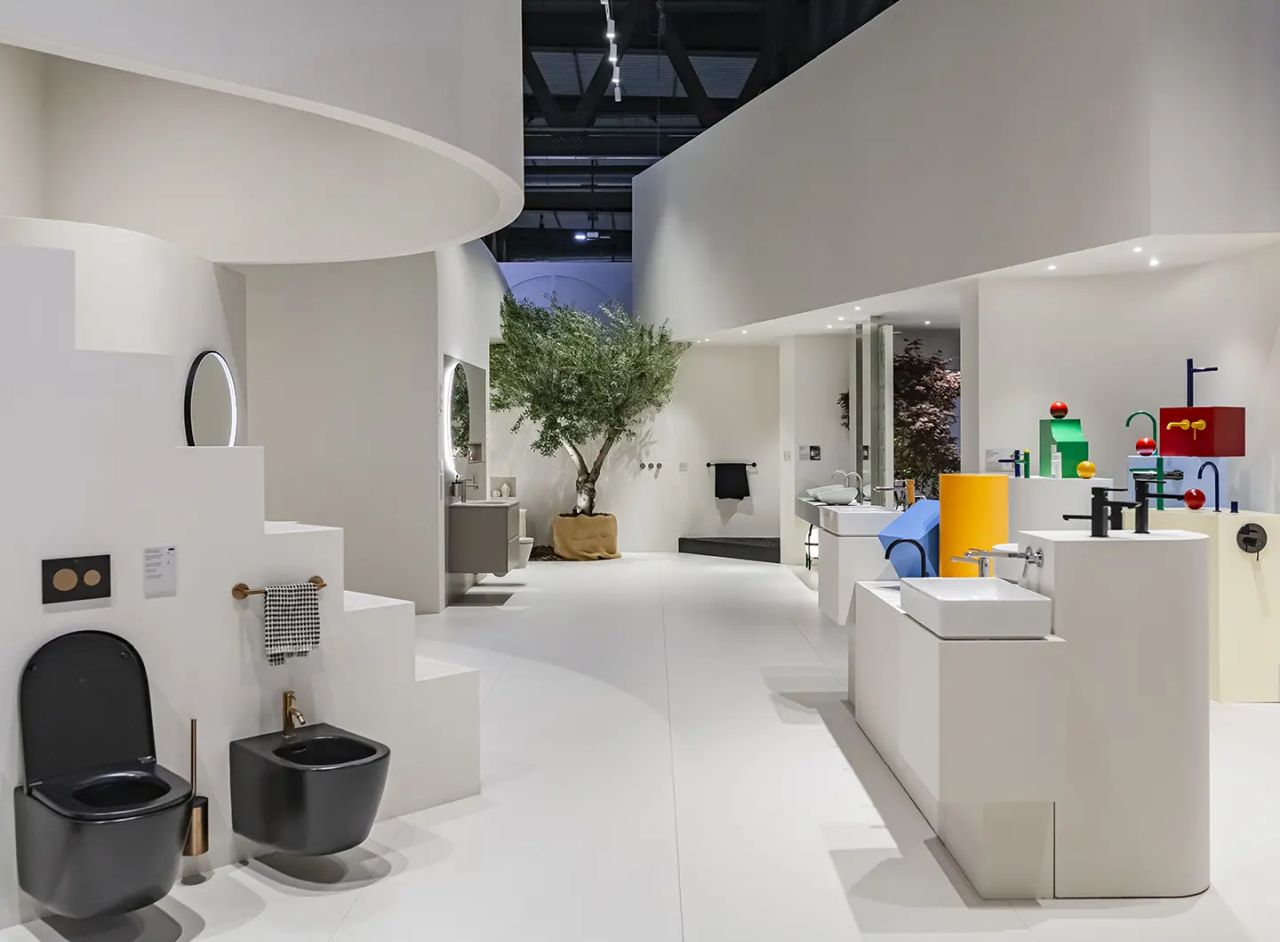
Advancements in manufacturing technologies are pushing the boundaries of what is possible in the bathroom design industry. The exhibited products signal that technological improvements are getting a lot of hype in the space. There is more focus on smart, hidden tech that stays out of sight until you need to use it. Roca’s In-Wash Vorea with concealed washing and drying functions is a good example of this design trend. Some brands are also integrating health monitoring features into their products.
Material-Led Design
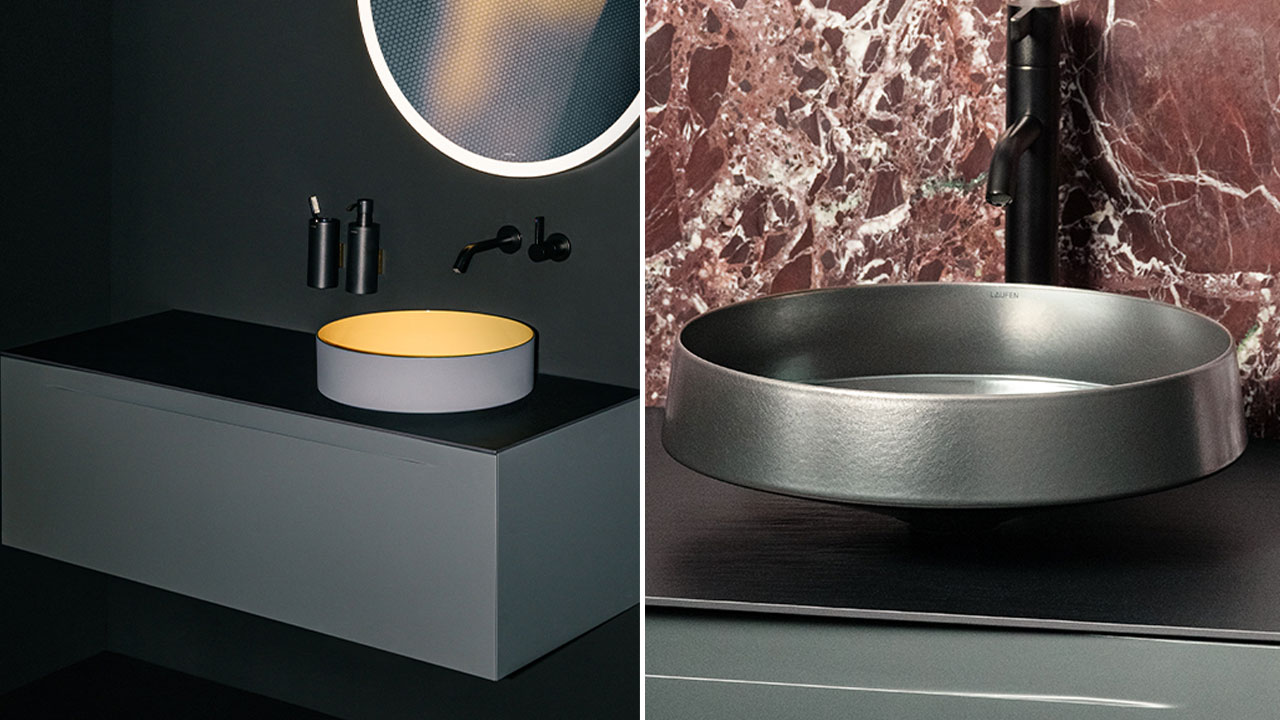
Material innovations are interesting, but for consumers, they might be something related to just aesthetics, but it is a lot more for manufacturers. Case in point is LAUFEN’s “Vitreon Steel” bathroom fixtures that utilize an innovative material to expand design possibilities with more color finishes. Brands like GROHE are also prioritizing the PVD as an eco-friendly alternative to traditional electroplating, which opens up new possibilities for a broader range of durable metal finishes such as brushed steel, black, and bronze tones.
Green-Oriented Space
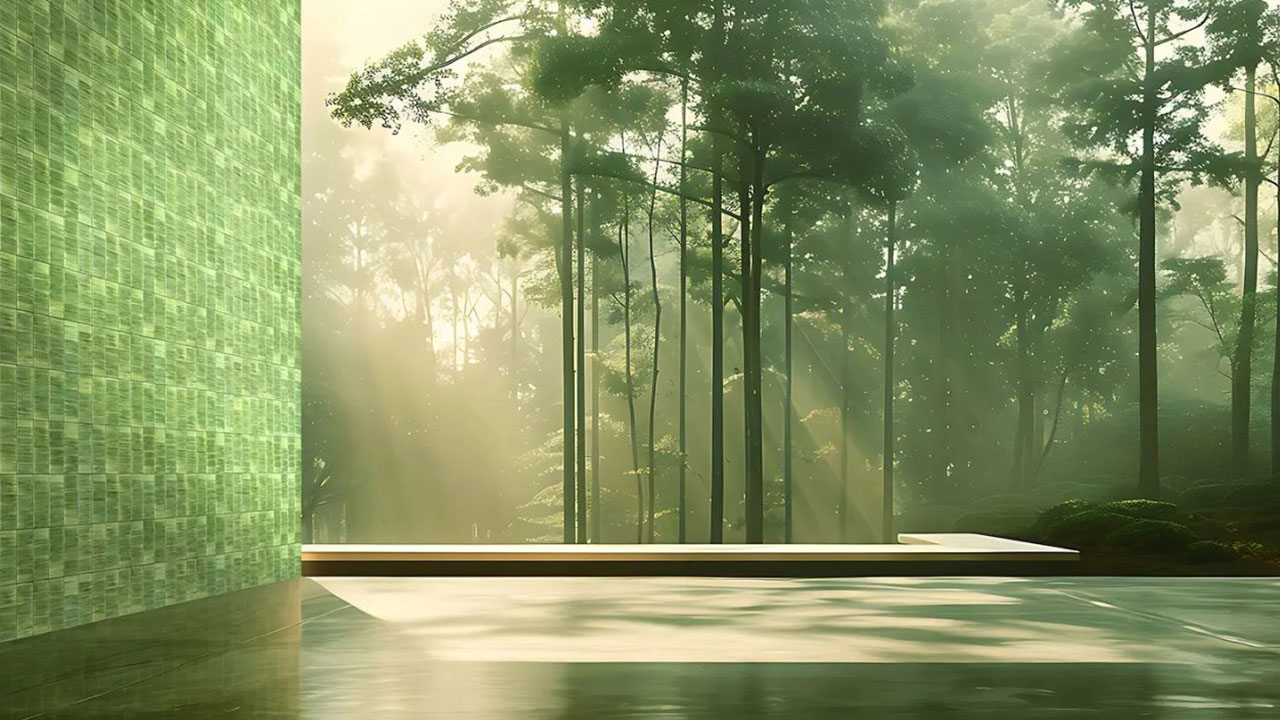
Designers are integrating living elements into bathroom layouts through built-in planter zones, vertical green walls, etc., while manufacturers are using low-impact, recyclable, and circular materials and natural forms. There are also exhibits like Kengo Kuma’s tile collection featuring biophilic textures, which beautifully show nature-inspired surfaces will be trending this year. Alongside this, bathroom fixtures are being designed to manage water flow and reduce consumption.
Also Read: Best of Bathroom Design World at Milan Design Week 2026
Emotional Factor
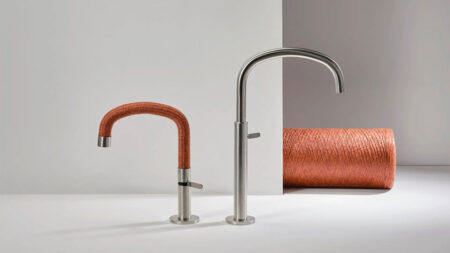
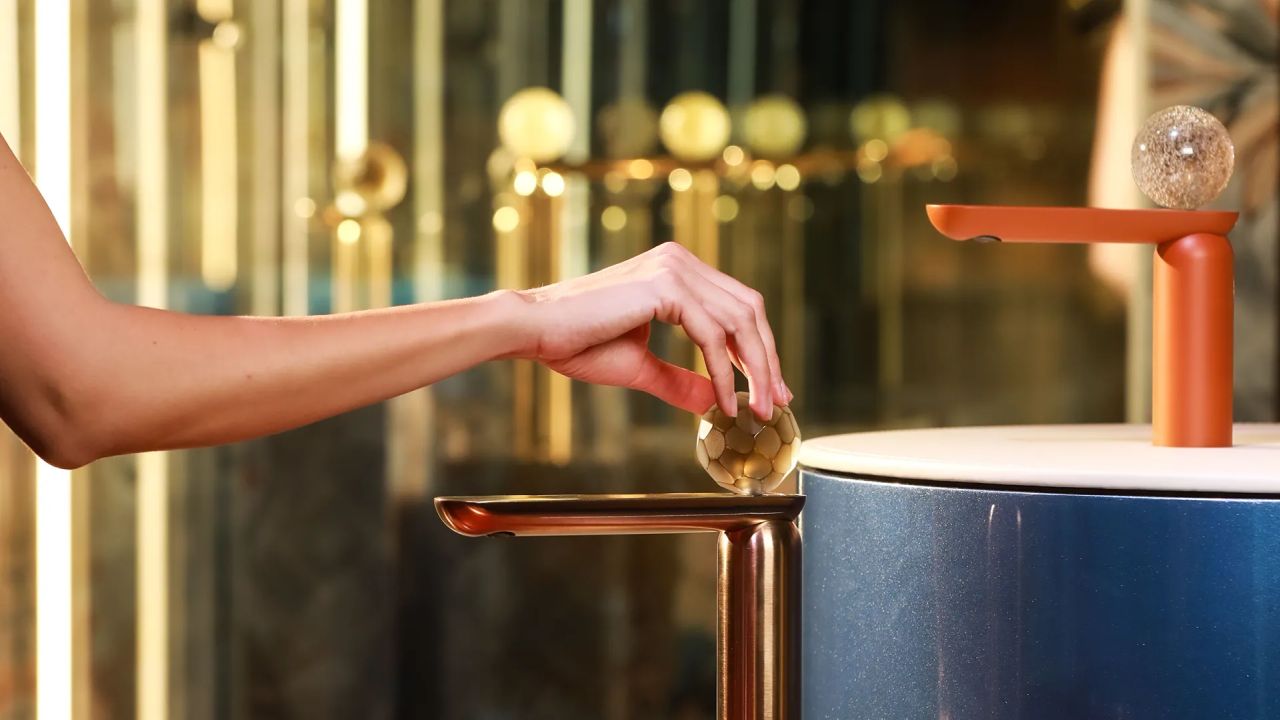
At Milan Design Week 2026, “Emotional Design” has been achieved through several physical installations and products. Tactile materials, mood lighting, or organic shapes are its main components that react to your mood, tell a story, or facilitate deep personal rituals. Supporting this design approach, Gessi has created special handles and mixers from precious stones and Murano glass that create an emotional connection every time you touch them. Villeroy & Boch’s Antao Collection, boasting a raindrop shape, also attracts you emotionally.
Architectural Features
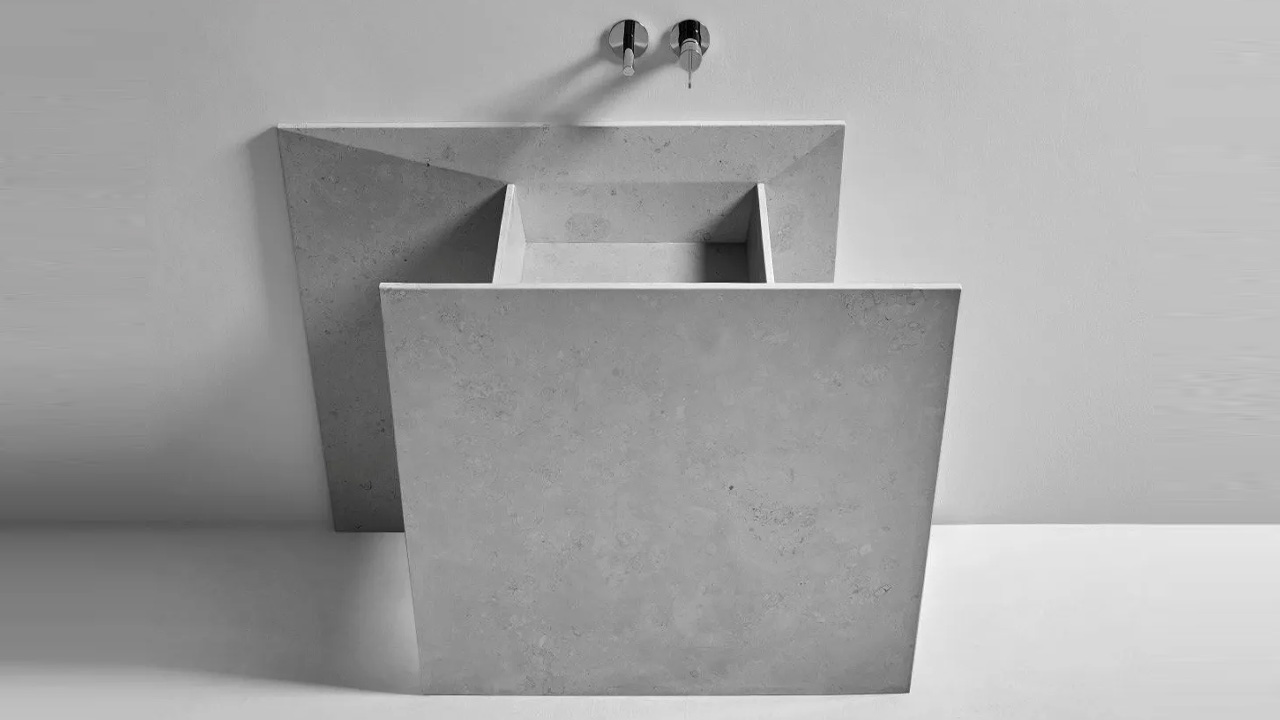
Architectural design language is a defining trend for bathroom spaces at Milan Design Week 2026. Antoniolupi’s Skyline washbasin proves that right by employing a geometric form that comprises three marble surfaces arranged in different heights and angles. Patricia Urquiola has also employed “Floating” Geometry in The Small Hours collection for Salvatori, which features recessed steel supports that are nearly invisible to the eye.
Furthermore, washbasins and bathtubs are now being placed in bathrooms as freestanding monoliths while heating elements are being reinterpreted as architectural components. Surfaces and furnishings in the bathroom focus on architectural continuity. Solar eclipse-inspired proportions of Celeste tap is another great example.
Past Reviewed With Contemporary Lens
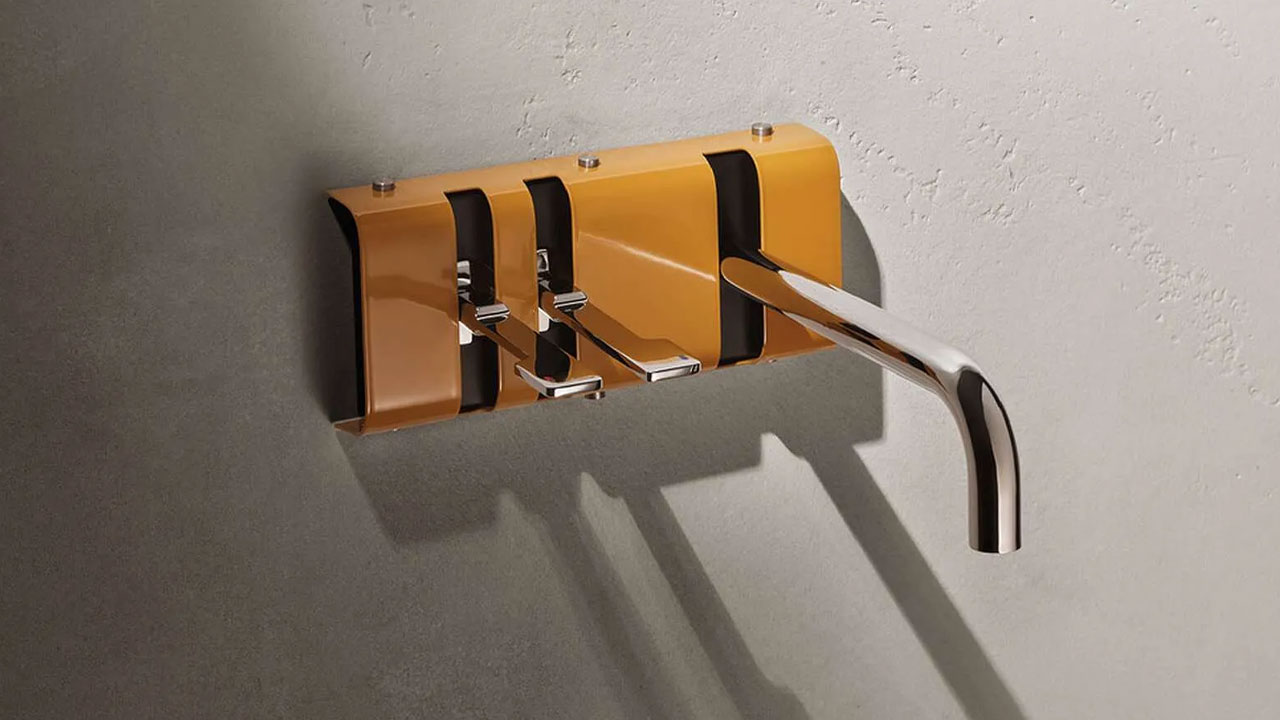
There are plenty of bathroom design reissues at Milan Design Week 2026 that have taken inspiration from some historical archetypes and then have been turned into a new product to meet the needs of modern-day users using technology and sustainable materials. One of the main highlights is Joe Colombo’s metal faucets that have been re-imagined for the modern context.
Color-Driven Design
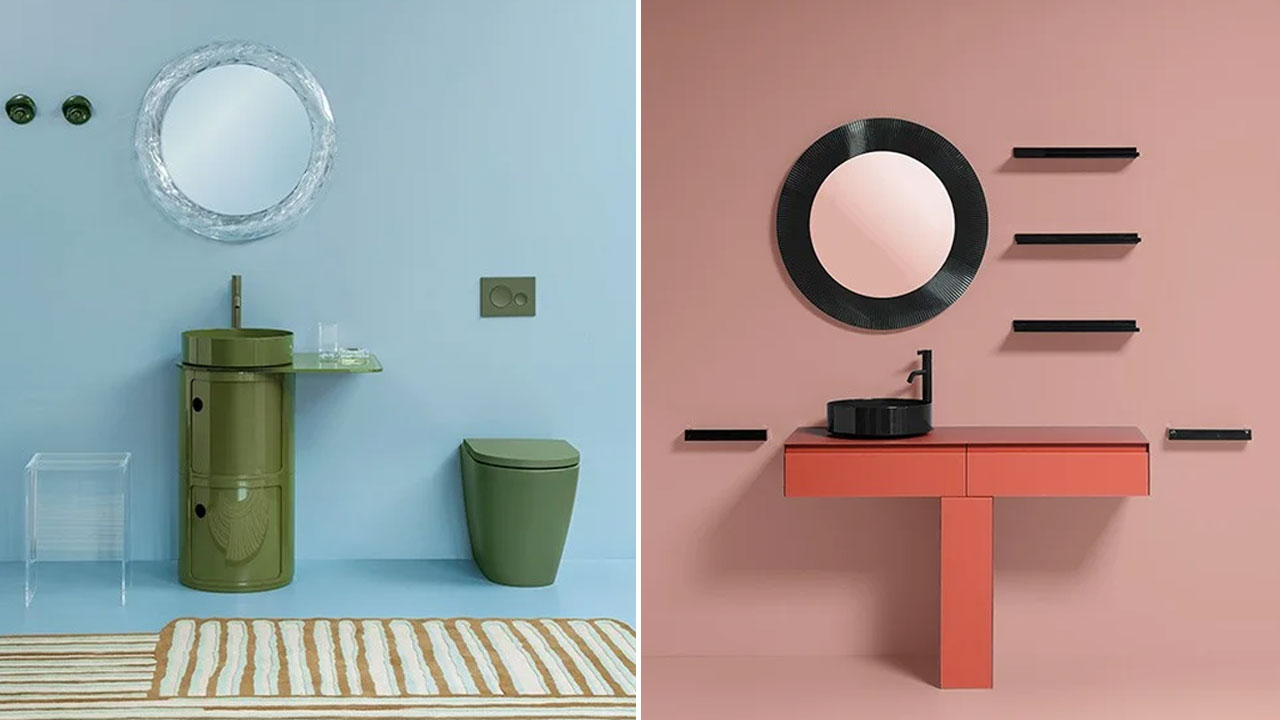
Designers are fully embracing bold colors in bathroom spaces. Now you don’t have to stick to formal white; you can also go for other colors like blue and green. Patricia’s 2026 Balcoon collection is a worthy example of the fact. Kartell’s new collection, made in collaboration with LAUFEN, also introduces vibrant colors into the bathroom.
Personalization
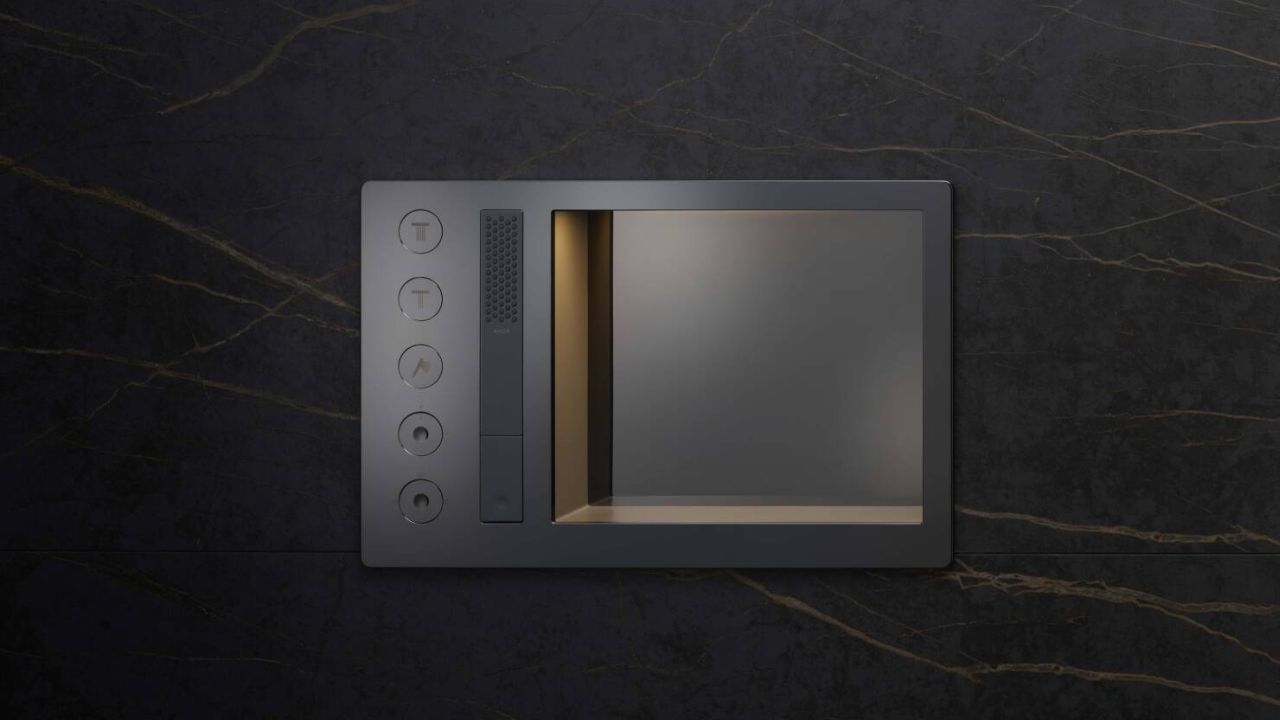
Brands are now giving you more control over the layout, finishes, and even the sensory outputs of your bathroom. A prime example is Grohe’s Atrio Private Collection that allows you to choose from a refined palette of finishes and interchangeable handle designs to create a unique visual language. The AXOR Incava architectural shower system is another example that offers plenty of personalization options.
Follow Homecrux on Google News!