Close Menu
  • Architecture
    • Tiny Living
    • Treehouse
    • Hotels
  • Furniture
  • Holiday
    • Christmas
    • Halloween
    • Thanksgiving
  • Interior
    • Bathroom
    • Kitchen
    • Lighting
  • Interview
  • Ideas
    • Home Decoration
    • Home Improvement
  • Lifestyle
    • Accessories
    • Appliances
    • Gardening
    • Food and Beverages
    • Outdoor
    • Pets
    • Smart Home
Pinterest Facebook Instagram YouTube X (Twitter) LinkedIn
Homecrux
  • Architecture
    • Tiny Living
    • Treehouse
    • Hotels
  • Furniture
  • Holiday
    • Christmas
    • Halloween
    • Thanksgiving
  • Interior
    • Bathroom
    • Kitchen
    • Lighting
  • Interview
  • Ideas
    • Home Decoration
    • Home Improvement
  • Lifestyle
    • Accessories
    • Appliances
    • Gardening
    • Food and Beverages
    • Outdoor
    • Pets
    • Smart Home
Homecrux
Home » Architecture » Carbon-Negative Marknesse Neighborhood Reinterprets Dutch Timber Homes as 12 Affordable Rental Units

Carbon-Negative Marknesse Neighborhood Reinterprets Dutch Timber Homes as 12 Affordable Rental Units

Delft Red aesthetic with traditional brick and concrete construction gets a major eco-friendly makeover
Aruna RohalBy Aruna RohalJune 1, 20263 Mins Read
Pinterest Facebook WhatsApp Twitter LinkedIn Email
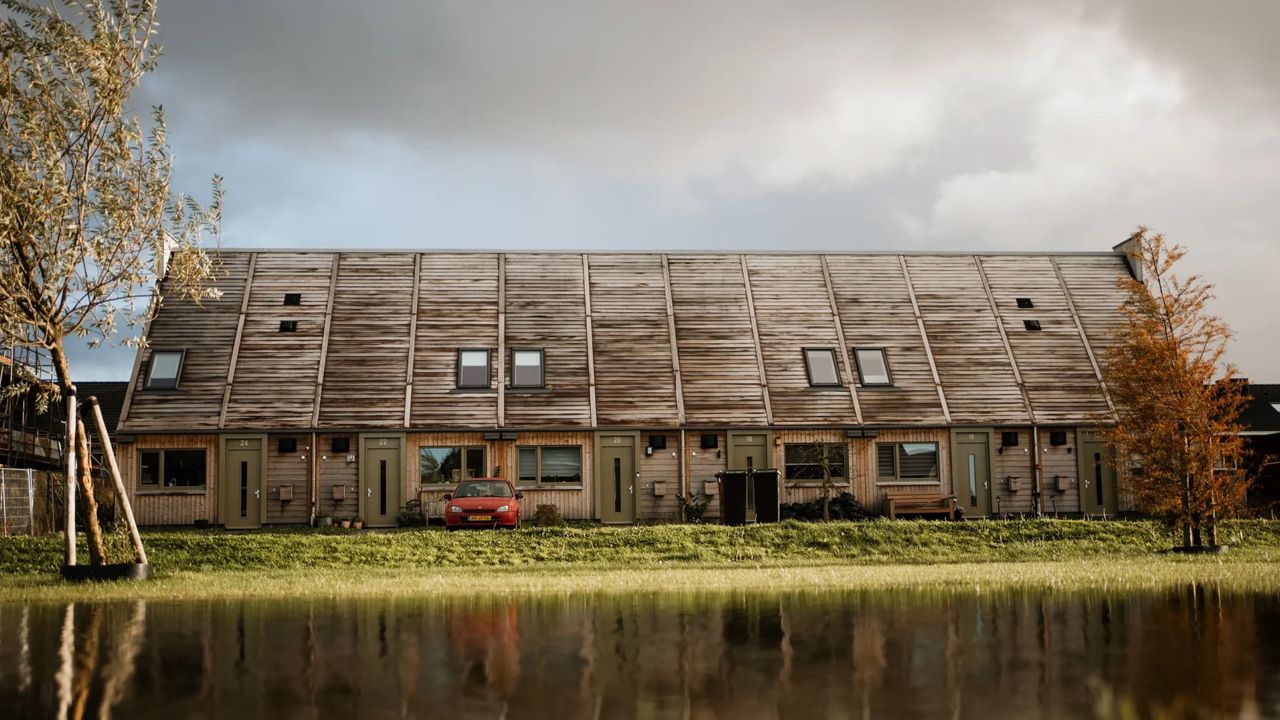
carbon-negative Marknesse neighborhood
Image: ORGA Architect
Pinterest Facebook WhatsApp Twitter Email

Sustainable houses are a need of the hour, but only a few can afford them. While traditional Dutch houses are famous for their Delft Red aesthetic with traditional brick and concrete construction, these materials emit excessive carbon into the atmosphere. The Netherlands-based ORGA has reinterpreted these Dutch homes into a bio-based, carbon-negative neighborhood in the village of Marknesse, the Netherlands.

The intent was to build affordable rental houses for low-income households and first-time buyers. The architects started intense research to build sustainable houses while keeping the Dutch tradition of building houses with natural materials intact.

The team, after receiving a commission from housing association Mercatus, put forth a concept to design a prototype consisting of 12 houses made with renewable natural materials. The concept was to create experimental houses using prefab timber and its natural wood fibers to make a mold-free, weatherproof, and insulated dwelling.

But the carbon-negative Marknessse neighborhood wasn’t hatched overnight. It took the ORGA decades’ worth of intense research, experimentation, and expertise to come up with such an incredible, sustainable idea. The architects specifically chose timber trees because of their ability to naturally capture and store carbon within them.

The team constructed houses with carbon-absorbing timber and other natural materials that won’t emit any carbon. The breathable fibers in the wood naturally regulate internal temperature and maintain healthy indoor air. Through this project, the team managed to achieve 75 percent of bio-based composition in the construction of the wooden neighborhood.

Another major aspect of this project was to keep site disturbance and construction waste to a minimum. To achieve it, the architects used prefab timber frame elements, manufactured off-site in a workshop. After transporting the frames, the frame was quickly assembled on-site to reduce construction impact.

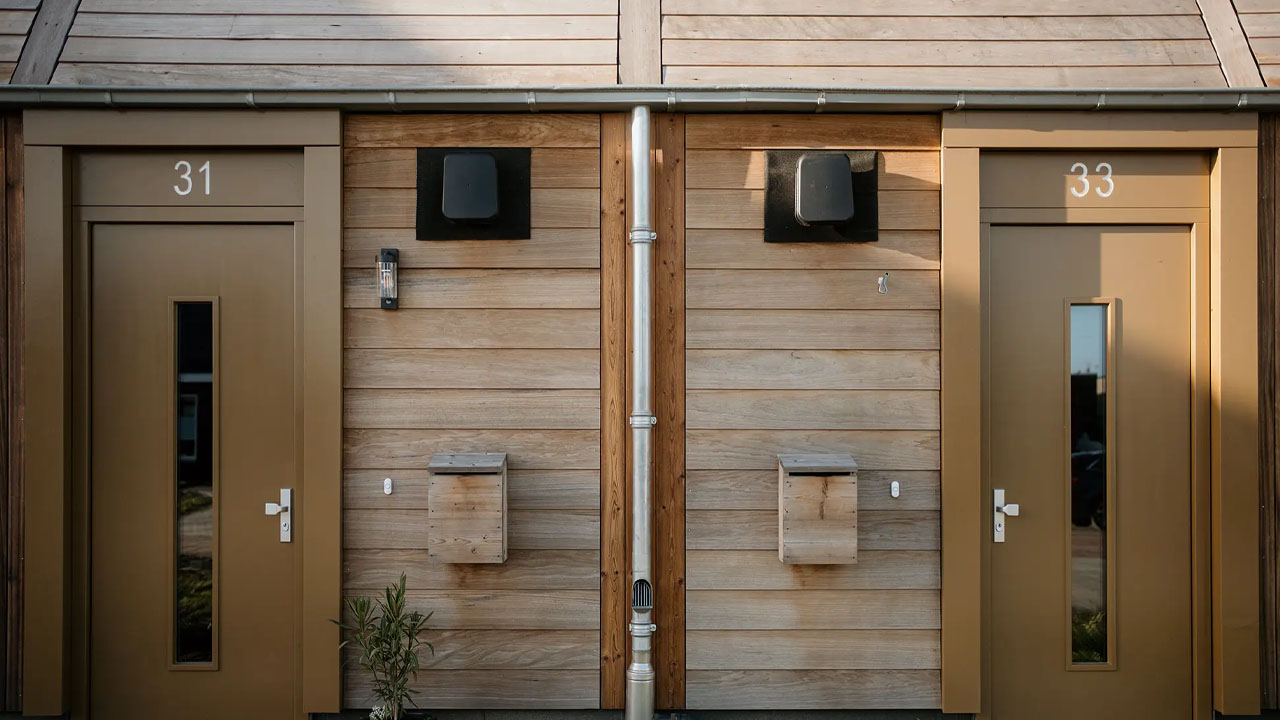
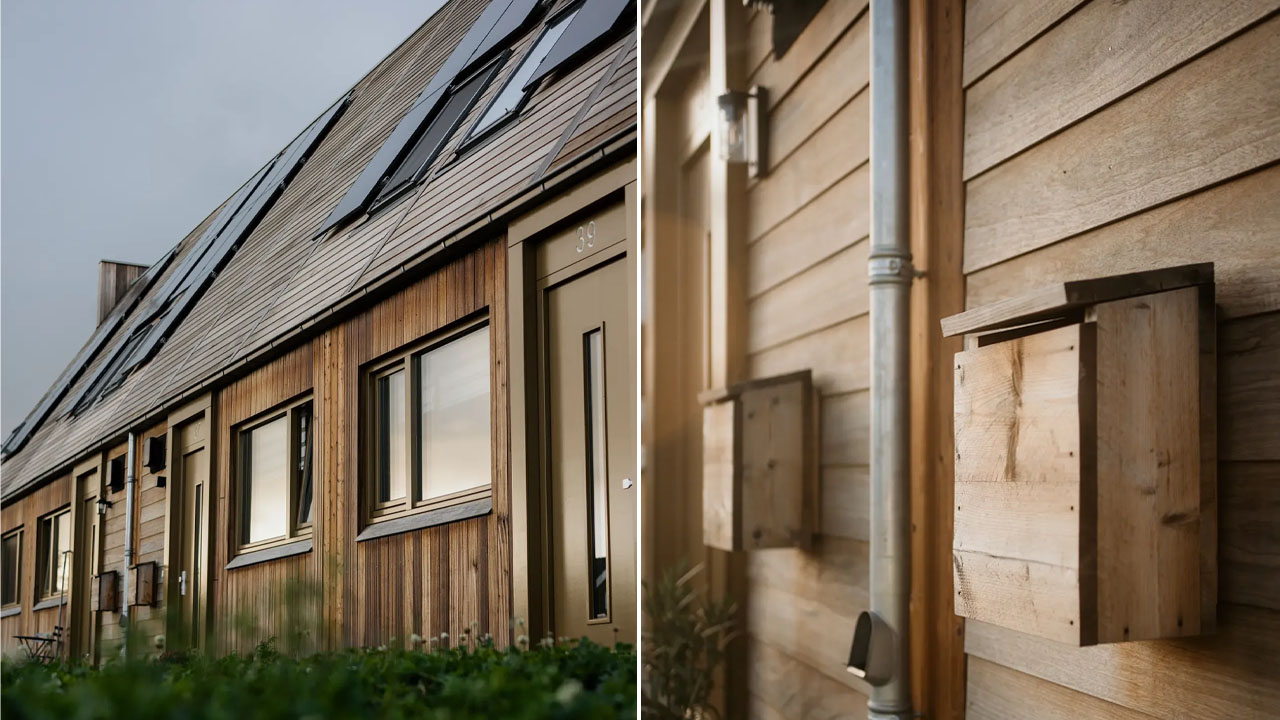
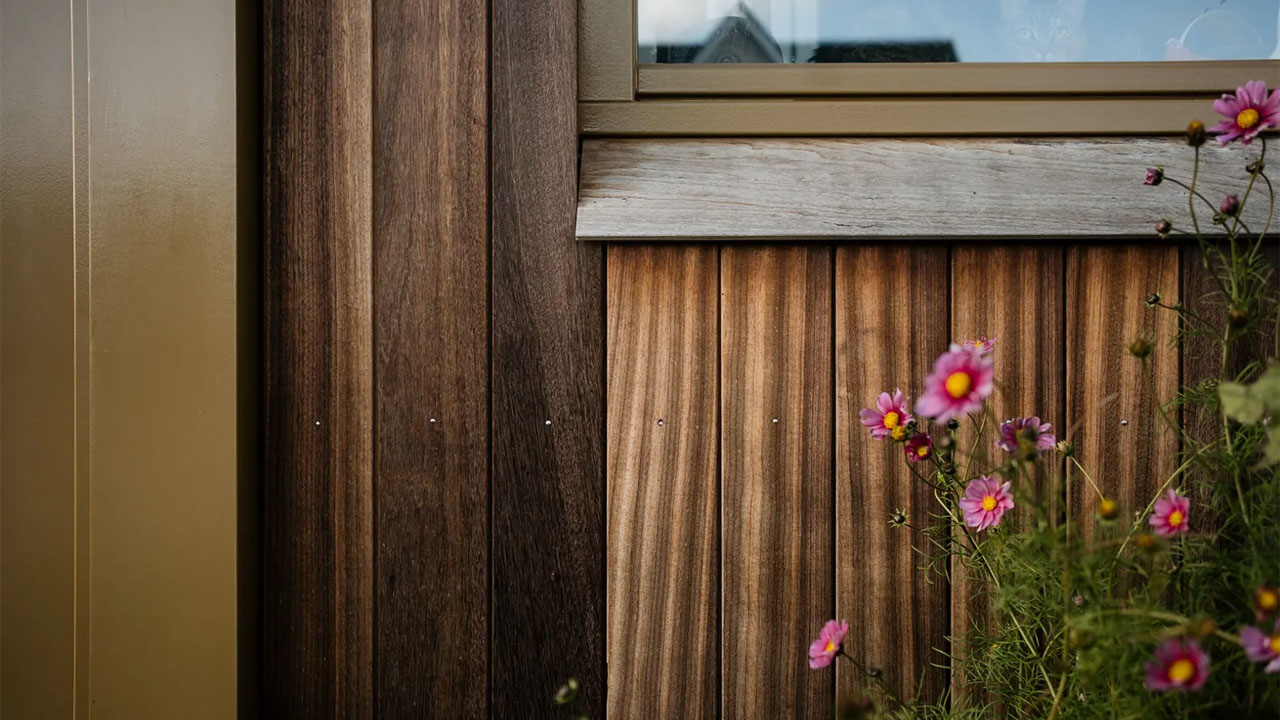
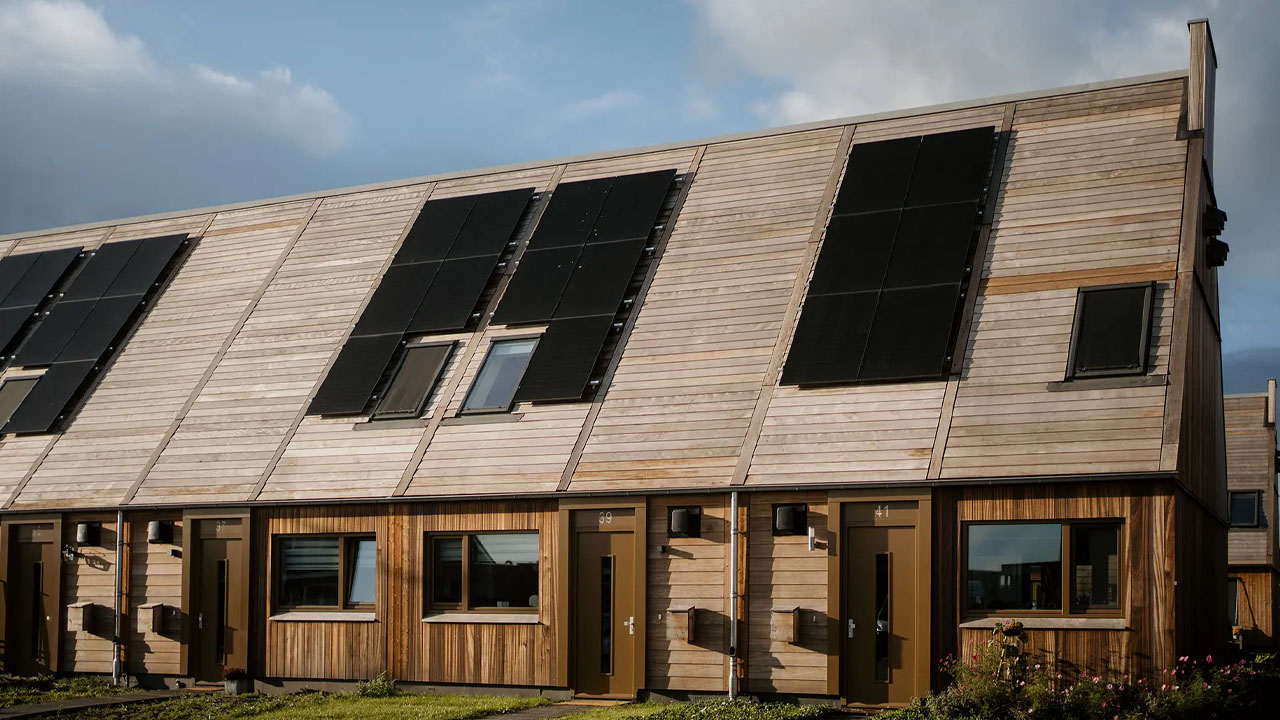
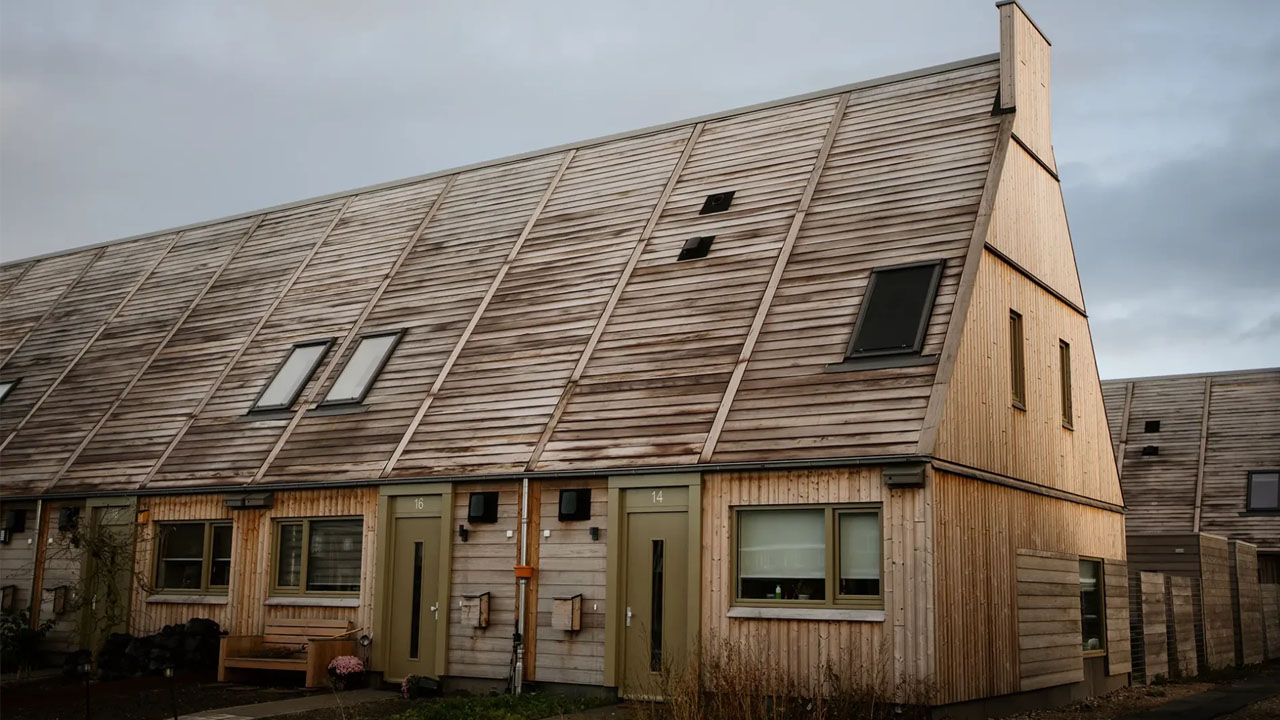
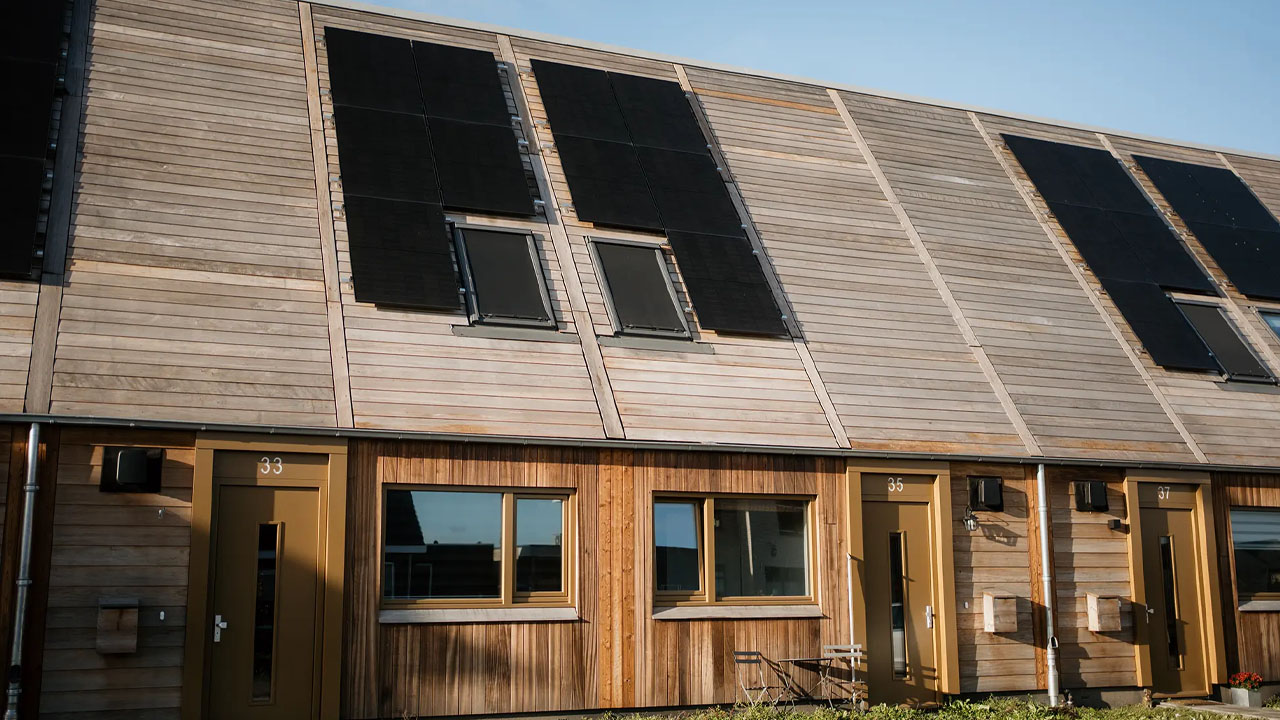
The entire upper part of the building has a wooden finish, with only the foundation made with concrete. Its façade, fencing, gabled roof with chimneys on both corners, has the same wooden build and layout.

Also Read: Villa Modda Transforms Ancient Rural Ruin Into Passive Home

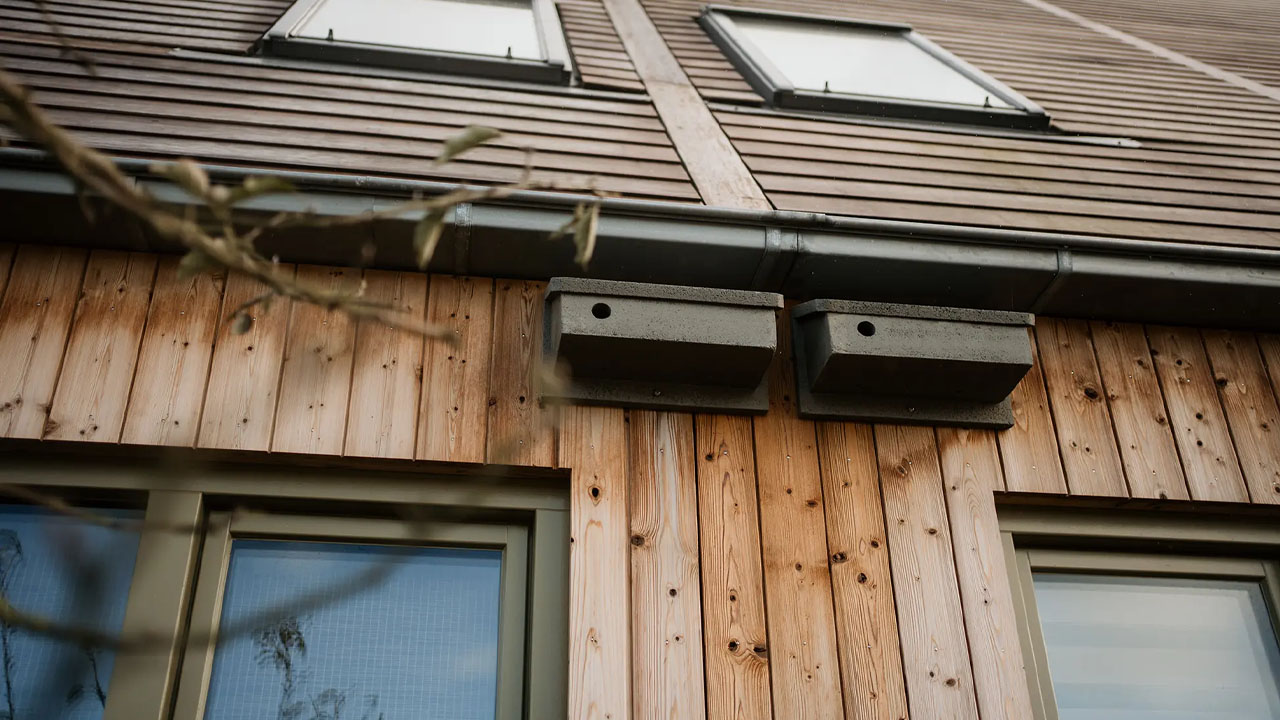
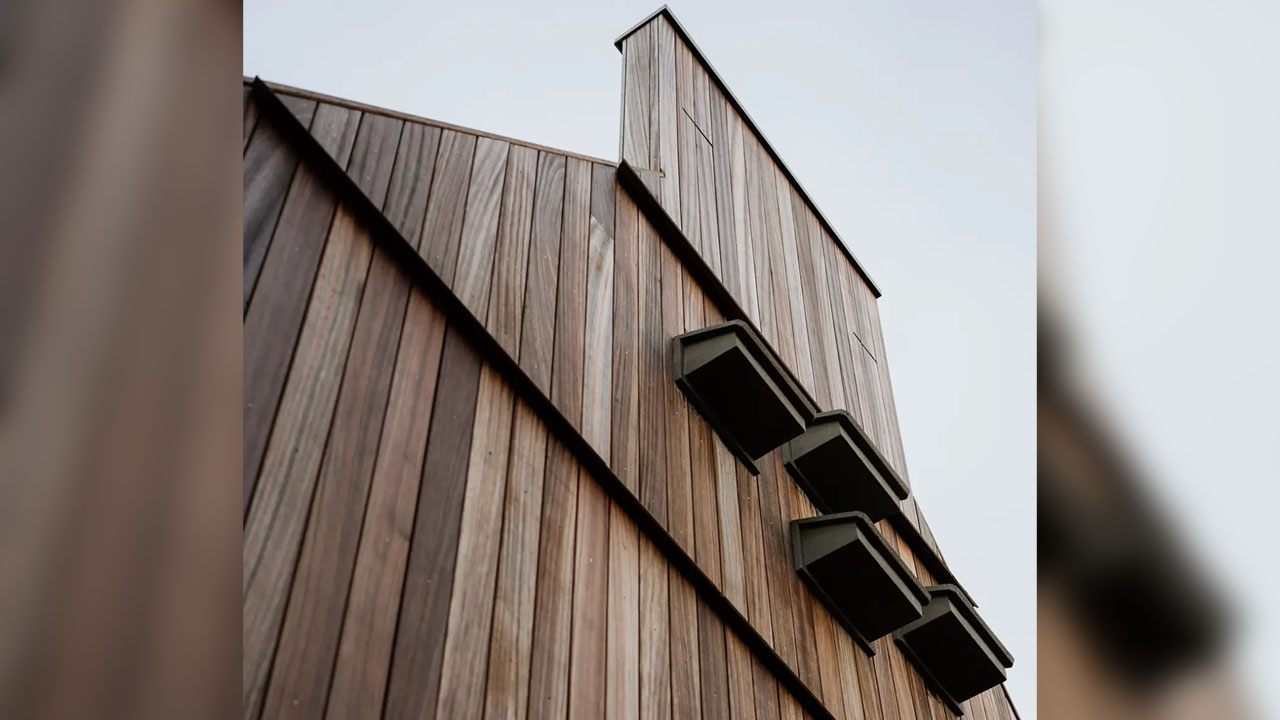
These chimneys were built to serve as a place for bats to build their nests. The ORGA made a separate pathway on the lawn to separate each individual house from one another. The multiple glazing enhances the cozy aesthetics of the building and brings natural daylight indoors.

The ORGA constructed a carbon-negative Marknessse neighborhood with circular reusability of materials in mind. They will make mailboxes in the Salvation Army’s social workshop using the reclaimed wood left behind during cutting and construction. They even mapped each house using the Madaster dossier to keep a precise record of every natural material used to ease the long-term reusability in the future.
Carbon-Negative Marknesse Neighborhood Reinterprets Dutch Delft Red houses into Renewable, Bio-Based Affordable Dwelling
Image: ORGA Architect
The Carbon-negative Marknesse Neighborhood was built with renewable reusability in mind.
Image: ORGA
The natural wood fibers provide effective isolation
Image: ORGA
The gabled roof and breathable walls mimic the same traditional Dutch architecture
Image: ORGA
The wooden houses absorb carbon instead of emitting
Image: ORGA
The wooden chimney on corner of the gabled wooden roof serve as place for bats to build nest
Image: ORGA
The beautiful textured façade of the Carbon-negative Marknesse Neighborhood
Image: ORGA
The entire swelling is made with sustainable timber wood
Image: ORGA

Via: New Atlas

Follow Homecrux on Google News!

Carbon-negative architecture Sustainable architecture
Share. Pinterest Facebook WhatsApp Twitter Email
Aruna Rohal
  • Website
  • LinkedIn
  • Instagram

Aruna is an aspiring writer who finds joy in expressing creativity through words and art. She enjoys listening to music, exploring DIY crafts and spending time with furry and feathered friends. Nature is her favorite place to unwind, reflect and recharge.

Related Posts
The enclosed porch and gabled roof give farmhouse aesthetic to the Horizon tiny house
$83K Horizon Tiny House Built for Family has Bunk Room and Loft With Enclosed Porch
By Aruna RohalJune 1, 2026
Odile Hainaut and Claire Pijoulat
Why ICFF is Moving to November, and What it Means for the Future of Design: The Inside Story
By Atish SharmaJune 1, 2026
Berenstein tiny house on wheels
Berenstein Bear Tiny House Sleeps Six in Its Luxe Interior
By Atish SharmaMay 31, 2026
Campinawe Trailer
Campinawe New Crossover Solo Teardrop Trailer Trades Fixed Bed for Roomier, Multi-Use Interior
By Atish SharmaMay 30, 2026
Leave A Reply Cancel Reply

This site is protected by reCAPTCHA and the Google Privacy Policy and Terms of Service apply.

The reCAPTCHA verification period has expired. Please reload the page.

Important Resources

✦ Window Design Ideas
✦ DIY Crafts by Homecrux
✦ Tiny House Design Ideas
✦ Bike Storage Ideas
✦ Chair Design Ideas
✦ Birdhouse Designs
✦ Cloud Lamps
✦ Cob Houses
✦ Concrete Planters
✦ Flower Vase Designs
✦ Live Edge Coffee Tables
✦ Best River Tables
✦ Oil Drum Furniture
✦ School Bus Conversions
✦ Modular Shelf Designs
✦ Tiny Houses On Wheels
✦ Best Treehouse Hotels
✦ Stunning Cliff Houses

About Us

Homecrux is an online magazine that advocates the authority of design. It allows readers to both discover and follow the most creative and interesting projects in the field of design, architecture and smart home technology.

With the aim of bringing creative and innovative designs from across the world to the fore, Homecrux believes in the power of design and the way it simplifies human lives.

Facebook X (Twitter) Instagram Pinterest YouTube LinkedIn RSS

Important Links

About Us
Terms of Use
Privacy Policy
Cookie Policy
Contact Us
Sitemap

© 2026 Homecrux | Powered by Flexinet Technologies

Type above and press Enter to search. Press Esc to cancel.