As the curtains fall on Milan Design Week 2026, the global design community is emerging from a week that prioritized A Matter of Salone, a profound shift from mere aesthetics to the raw soul of materiality and human experience. This year, Rho Fiera and the sun-drenched streets of the Fuorisalone districts felt less like traditional showrooms and more like sensory playgrounds, where the boundaries between furniture, art, and habitat blurred entirely.
From the whimsical return of 1970s-inspired conversation pits to comfort-based pieces, the designs of the 2026 edition reflect a world hungry for both comfort and wonder. The standout pieces of the year didn’t just fill the room; they invited viewers to stay, feel, and reconnect. Check out the best furniture designs from the 2026 Milan Design Week.
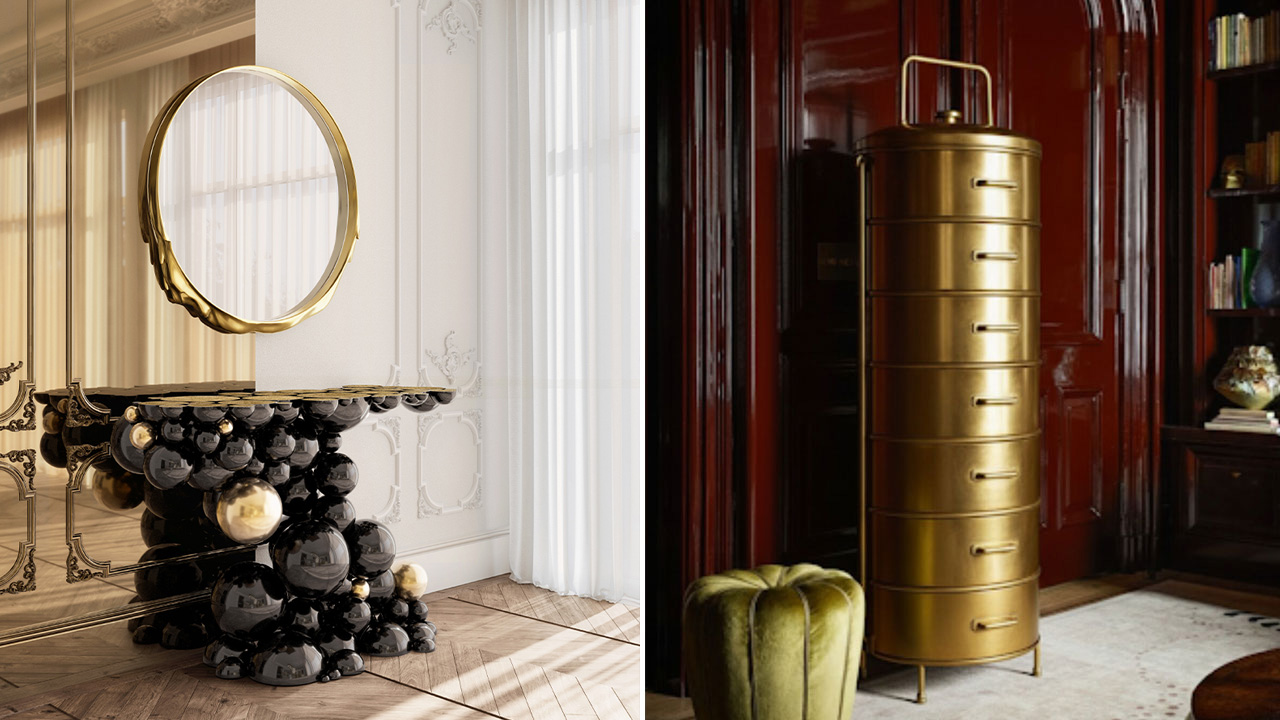
Newton Console
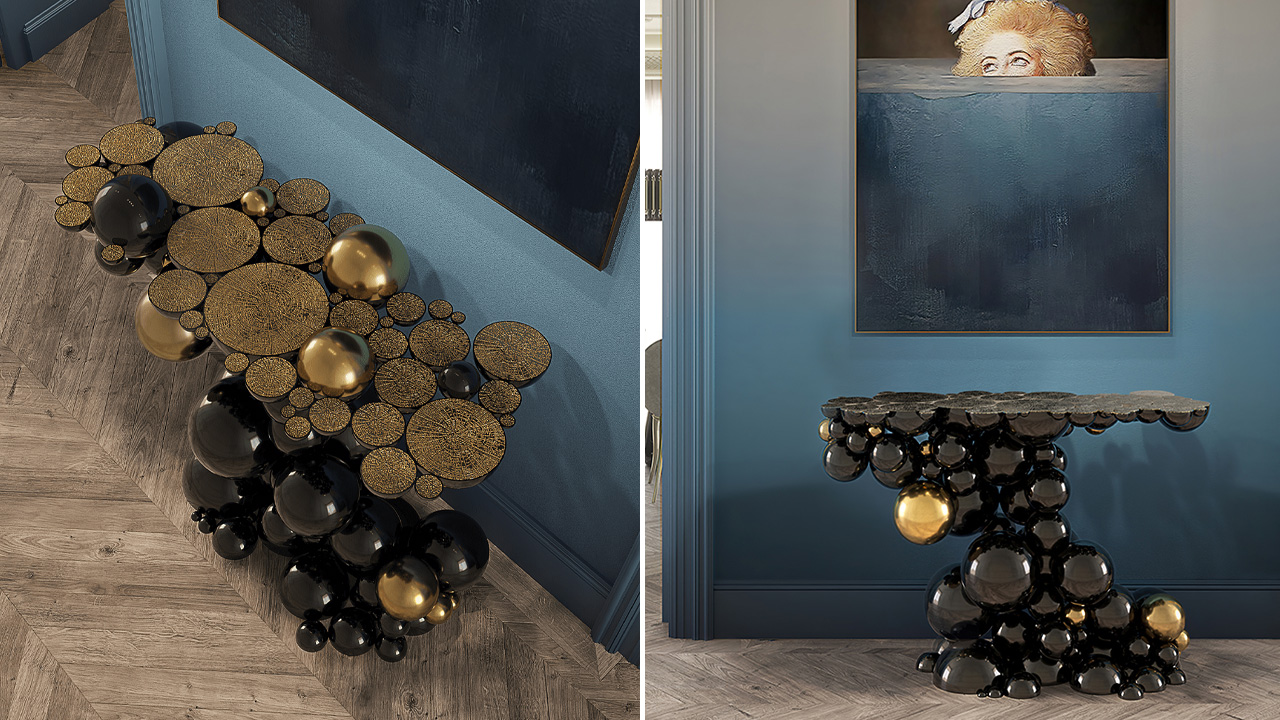
The Newton console table by Boca do Lobo is a limited-edition, sculptural piece characterized by its futuristic design of interconnected metallic spheres. Inspired by Sir Isaac Newton’s law of gravity, it features a structure that appears to defy physics, composed of aluminum spheres and semi-spheres amassed atop one another.
The console has grown from the ancient art of casting metal, in which metal is melted to form spheres and semi-spherical shapes. One by one, each element is joined to produce an outstanding pattern and organic structure finished in a dramatic black lacquer and gold-plated accents.
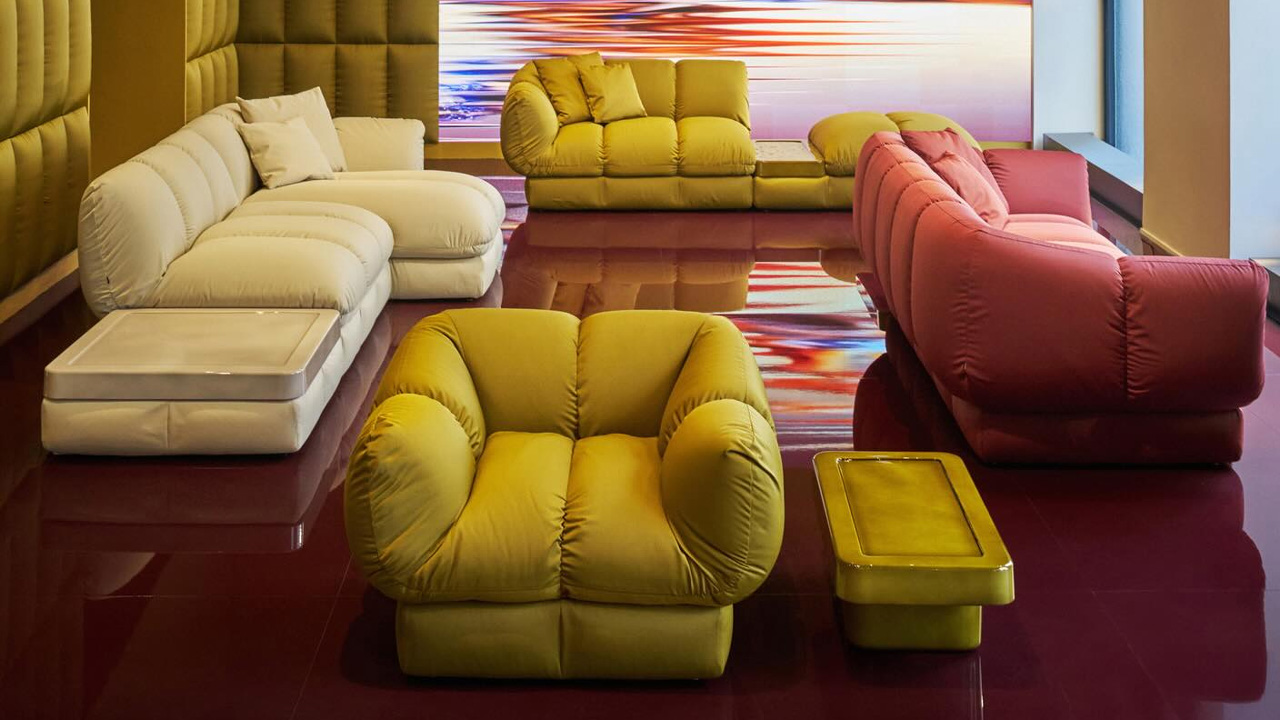
Ardys collection
The Ardys collection by Patricia Urquiola was unveiled at the Milan Design Week 2026 as part of the Cassina Perspective. The seating system is based on a square grid that allows elements to be reconfigured, separated, or combined. It features voluminous, soft shapes with deep stitching that creates a quilt-like or duvet graphic structure. The collection also includes an armchair that follows the same design.
The Ardys coffee tables from the collection are architecturally structured pieces made from scratch-resistant lacquered concrete with a ceramic-effect finish. Available in two sizes, they serve as a sculptural material counterpoint to the soft upholstery.
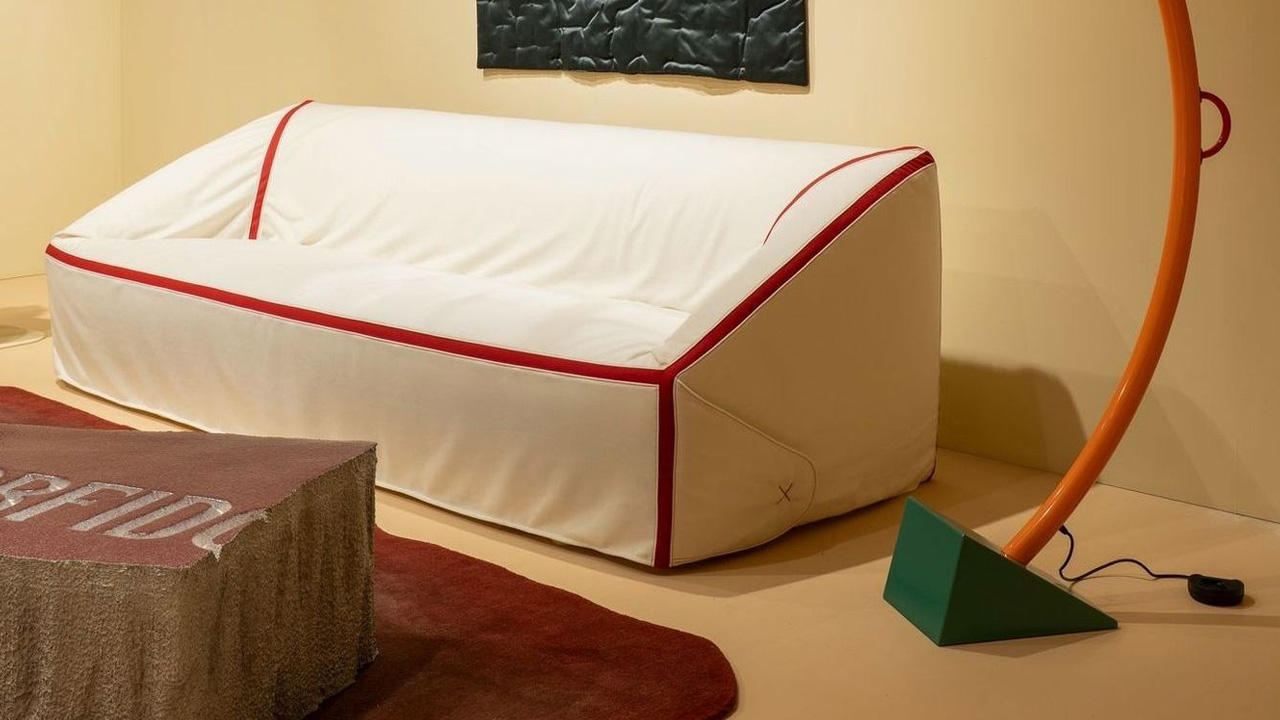
Crease Collection
Debuted at the Salone del Mobile 2026, the crease collection by Faye Toogood represents a back-to-front approach to design, prioritizing the textile cover over the internal frame. Toogood explored the concept of turning upholstery upside down. Instead of tailoring fabric to a pre-built rigid shape, she began with two-dimensional nets to create a crispy, tailored look.
Two-dimensional patterns inspired the forms, along with the act of folding paper and flat-pack construction. Described as a departure from her previous hard-edged furniture, this collection focuses on soft goods with a structured yet folded appearance.
Fe Armchair
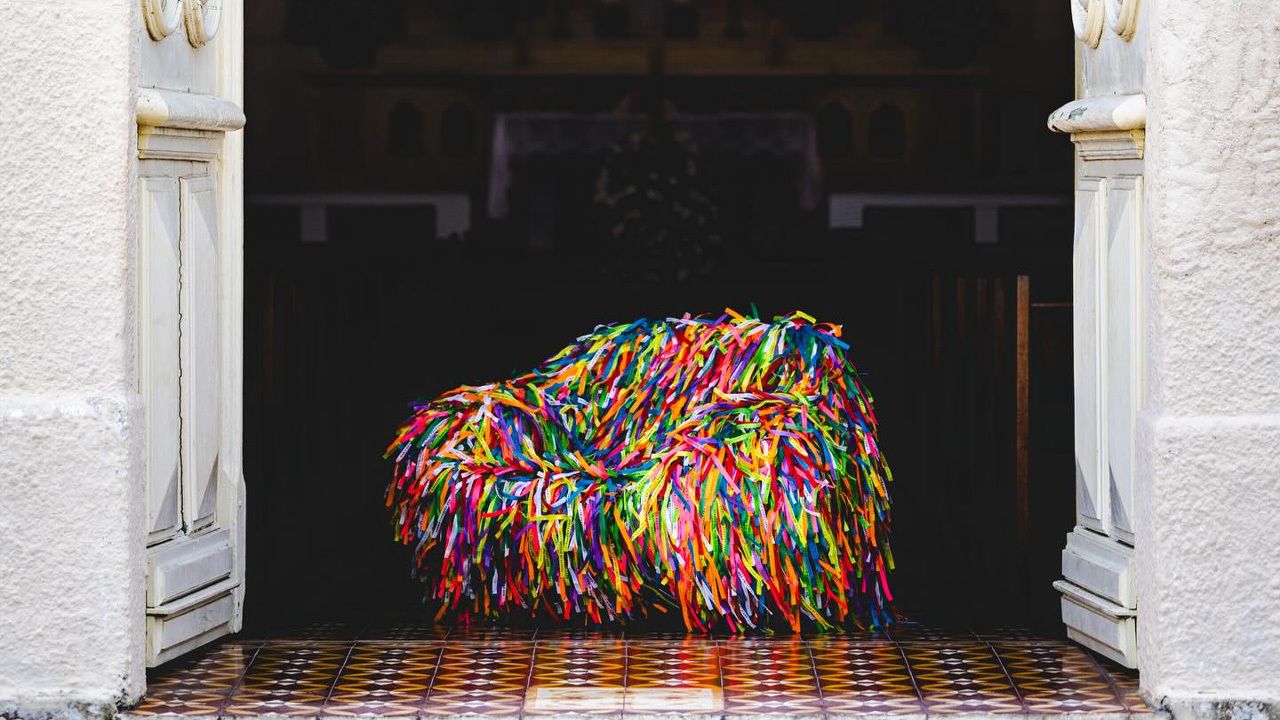
The Fe armchair by Tavinho Camerino is an interactive piece unveiled at the Salone del Mobile 2026 as part of the SaloneSatellite exhibition. The armchair draws inspiration from the Senhor do Bonfim ribbon ritual in Salvador, Bahia, where people tie colorful ribbons to the railings of the Church of Senhor do Bonfim, making three knots for three wishes.
The chair, inspired by this tradition, features a twisted metal mesh frame designed to mimic church railings, which represent both a boundary and a point of contact between the faithful and the sacred. Visitors are invited to tie their own ribbons to the chair’s structure. As more ribbons are added, the chair transforms, accumulating color, volume, and silent stories from strangers.
Peacock Chair
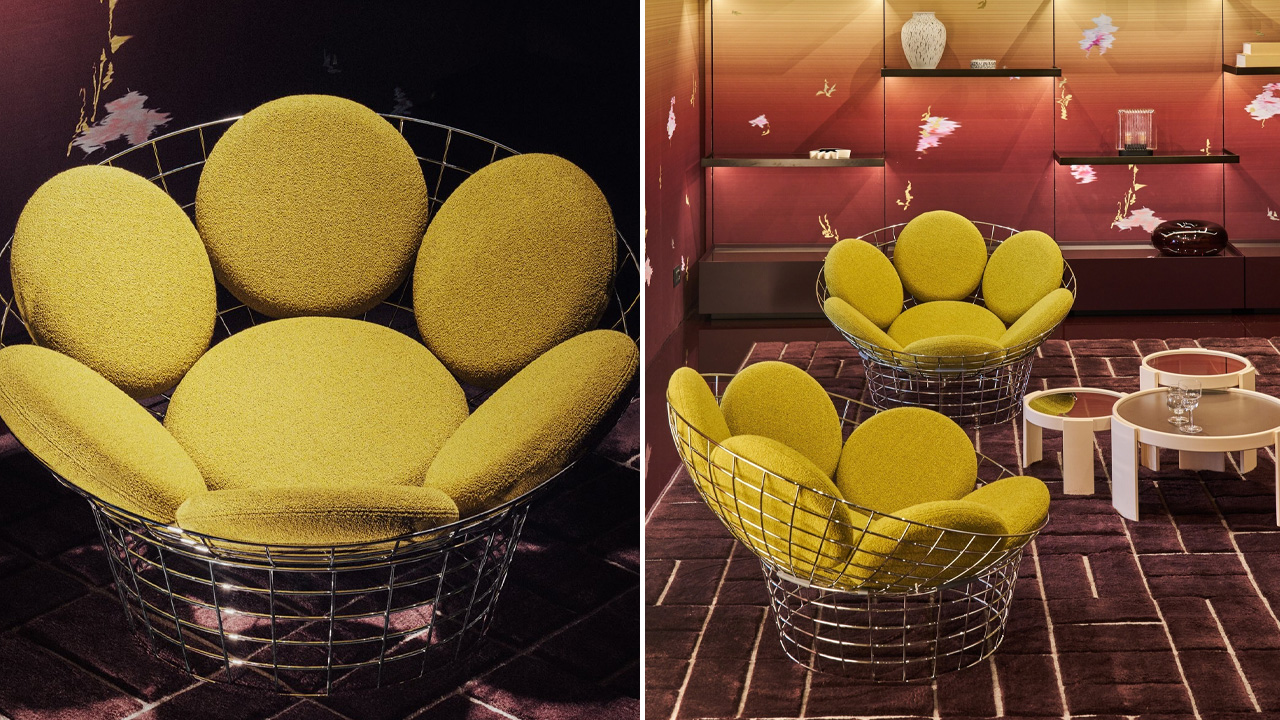
To mark the 100th anniversary of Verner Panton, Cassina and Karakter reintroduced his iconic Peacock Chair at Milan Design Week, 2026. This revival brings back an iconic piece of Scandinavian design based on Panton’s original drawings, transforming it into a contemporary, unique architectural object.
The reissued chair is constructed from stainless steel mesh and features seven fabric cushions. It is designed to be used as a floor armchair or a rocking chair.
Pitaara Tiffin Chest
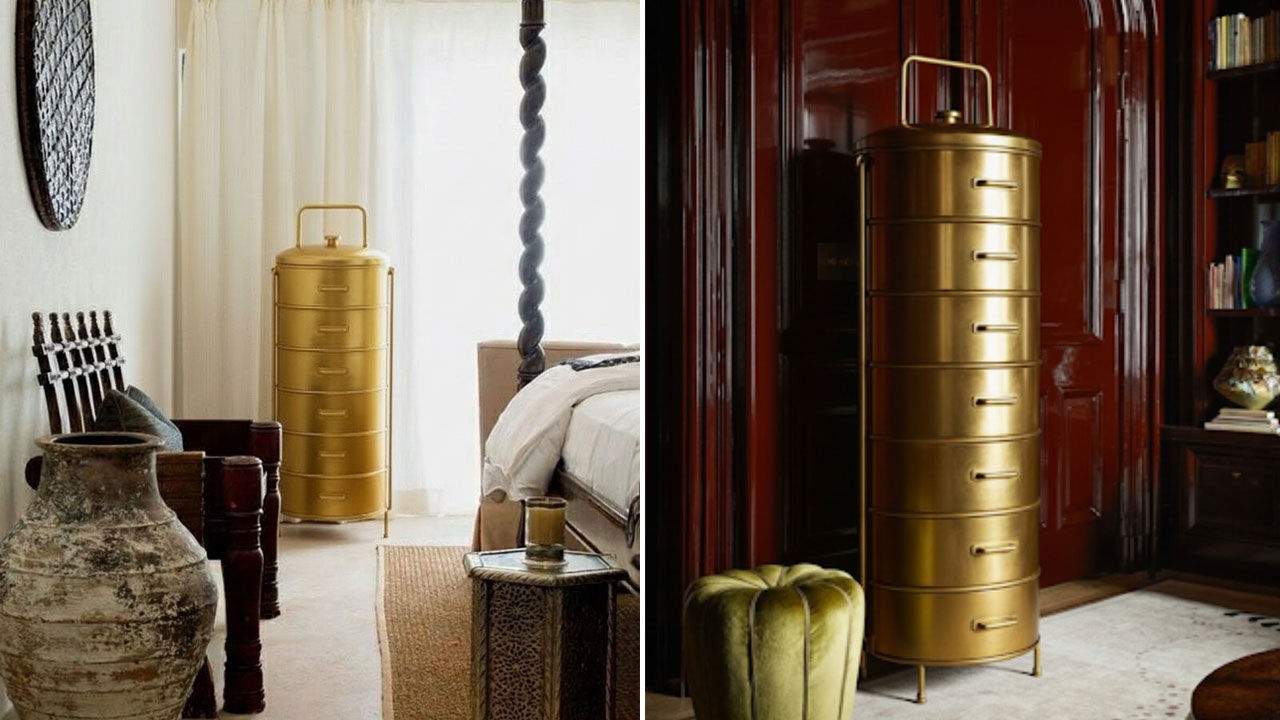
The Pitaara Tiffin Chest by Ananya Vijayendra for her label Staani is a sculptural piece that reimagines the traditional Indian tiffin (stacked lunch box) as a functional chest of drawers. It draws from the iconic Mumbai Dabbawala culture and the quiet language of care found in daily Indian rituals. The chest transforms a layered composition of a tiffin into a permanent storage object.
Each chest is handcrafted in burnished brass by skilled artisans in Mumbai, India. A single piece takes over 430 hours to complete, involving precision metalwork and hand finishing. The choice of brass allows the piece to develop a natural patina over time, symbolizing the carrying of history and memory.
Ultimately, Milan Design Week 2026 proved that the future of home lies in the balance between high-tech innovation and a raw, tactile return to nature. Designers left the city inspired by a vision of living that is as daring as it is comfortable. Apart from filling the space, these pieces set a new, soulful blueprint for the coming year.
Follow Homecrux on Google News!